Table of Contents
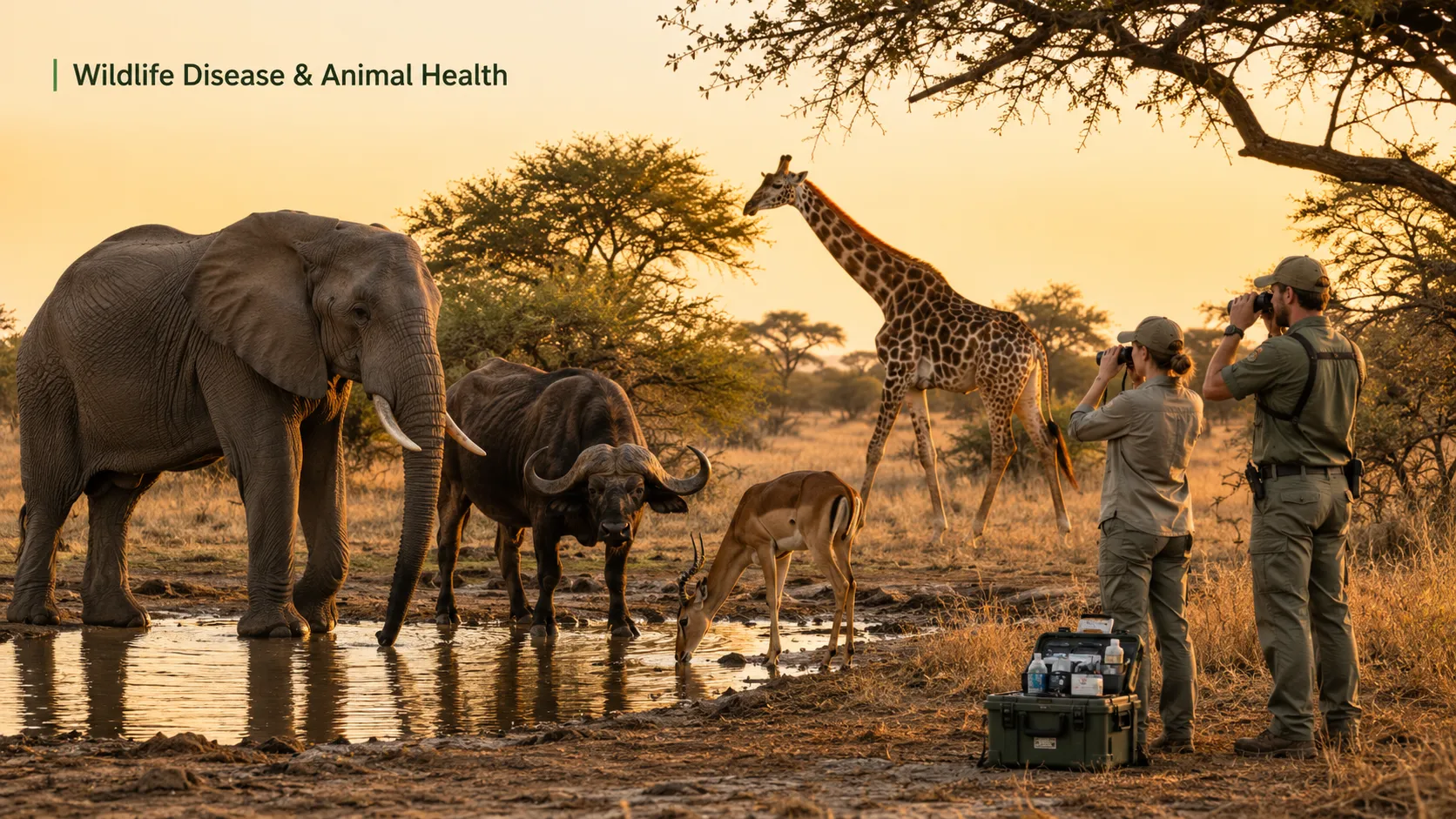
Wildlife Disease & Animal Health matters because African mammals share landscapes with livestock, people, water points, farms, and tourism sites. A sick buffalo, elephant, antelope, lion, or primate can signal bigger trouble in the ecosystem. Disease can reduce breeding success, disrupt migration, close parks, threaten livestock trade, and create public health risks. That is why wildlife health teams now use a One Health approach, linking animal health, wildlife work, with human medicine and environmental science.
African wildlife illness is not one problem. It includes viruses, bacteria, parasites, toxins, wounds, nutrition issues, and stress-linked conditions. Some diseases stay mostly within wildlife. Others cross into livestock or people. CDC notes that more than 6 in 10 known infectious diseases in people can spread from animals, and 3 in 4 new or emerging human diseases come from animals.
This guide explains the major diseases seen in African mammals, including elephant disease, anthrax, rabies, tuberculosis, Rift Valley fever, and foot-and-mouth disease, as well as wildlife risks. We will focus on causes, symptoms, transmission, field signs, prevention, and why early reporting protects whole ecosystems.
What Wildlife Disease & Animal Health Means in Africa
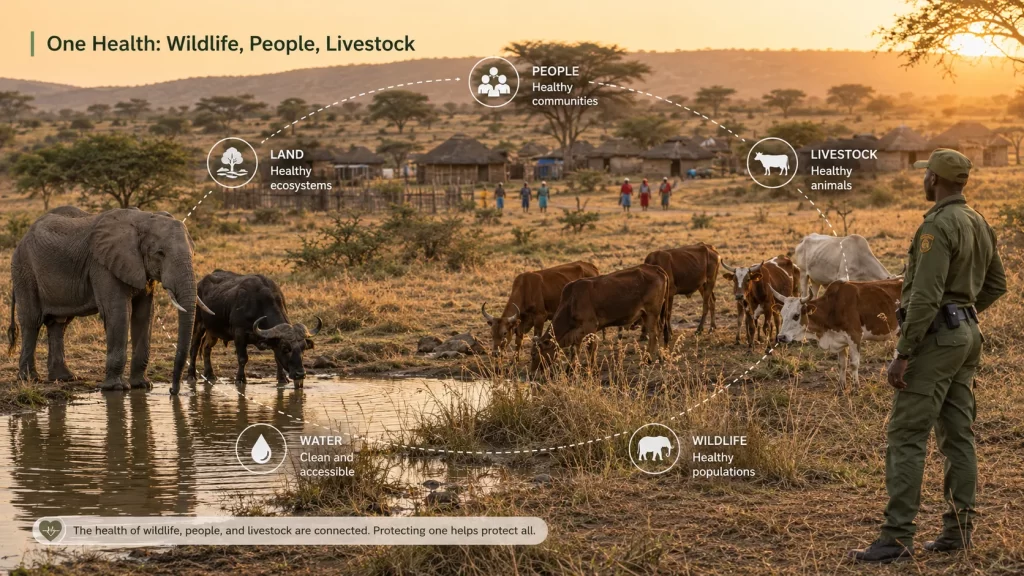
A One Health View of African Mammals
Wildlife Disease & Animal Health connects animals, people, livestock, soil, climate, and water. African mammals do not live inside neat borders. Elephants raid farms, buffalo graze near cattle, antelope share waterholes, and predators move through community land. These contacts allow pathogens to move between species when conditions support infection.
A One Health approach helps teams detect patterns before outbreaks grow. Rangers report carcasses, vets test samples, public health teams track human illness, and livestock officers monitor nearby herds. This shared system matters because many diseases look similar in the field. Fever, weakness, sudden death, drooling, lameness, or strange behavior can point to several causes.
Good animal health wildlife work depends on three steps:
- Fast reporting of sick or dead animals.
- Safe sample collection by trained teams.
- Clear communication between parks, labs, and communities.
This approach does not blame wildlife for disease. Instead, it treats wildlife as part of a shared health system.
Why African Wildlife Illness Is Hard to Control
African wildlife illness is difficult because most animals cannot be handled daily. A zoo elephant can receive routine checks, but a free-ranging elephant may disappear for weeks. A buffalo herd may cross several management zones before anyone notices illness. This makes early detection hard.
The landscape also creates challenges. Heat breaks down samples, floods move carcasses, predators open infected bodies, and scavengers scatter tissue. In remote parks, teams may need hours or days to reach a sick animal. By then, disease clues may be lost.
Climate also changes risk. Heavy rain can bring anthrax spores closer to the surface. Drought can crowd animals at shrinking water points. Warm conditions can increase mosquito activity. These shifts make Wildlife Disease & Animal Health a moving target, not a fixed checklist.
Key Disease Groups in African Mammals
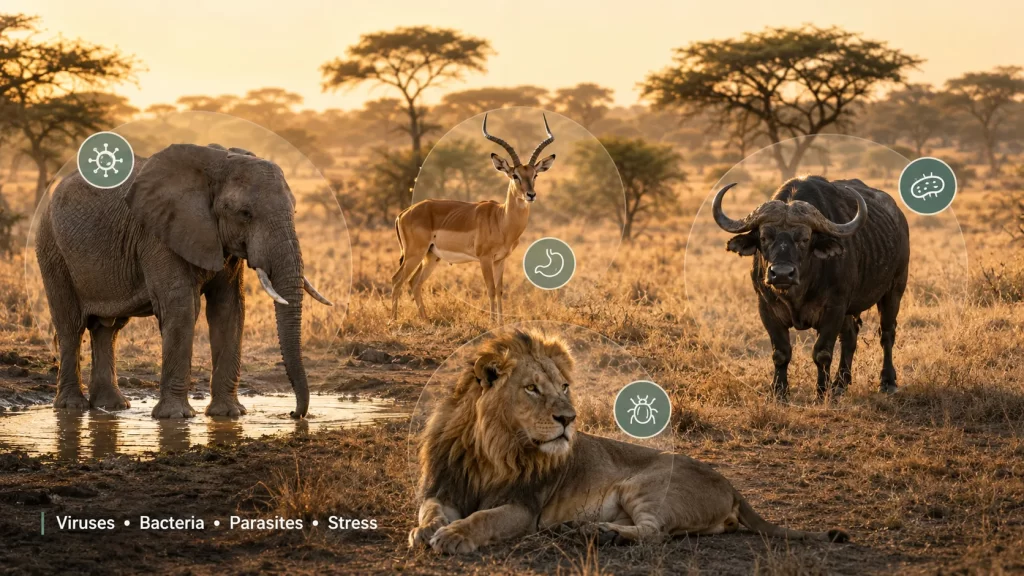
Viral Diseases
Viral diseases can spread fast because many viruses move through saliva, aerosols, blood, insects, or close contact. Rabies, Rift Valley fever, foot-and-mouth disease, and elephant endotheliotropic herpesvirus are important examples. Some viruses mainly affect one group. Others infect several mammal species.
Viral disease signs often overlap. Sick animals may show fever, weakness, mouth sores, neurological signs, abortions, sudden death, or poor movement. Lab testing is usually needed because field signs alone can mislead teams. For example, drooling may suggest rabies, foot-and-mouth disease, poisoning, oral injury, or heat stress.
Wildlife Disease & Animal Health teams manage viral risks through surveillance, vaccination where possible, movement controls, insect monitoring, and public warnings. In many cases, prevention works better than treatment because free-ranging wildlife cannot receive individual care at scale.
Bacterial Diseases
Bacterial diseases include anthrax, tuberculosis, brucellosis, salmonellosis, and clostridial infections. Some cause sudden deaths. Others create a slow illness that may last months or years. Tuberculosis is especially difficult because infected animals can look healthy during the early stages.
Anthrax is one of the most serious bacterial threats in African wildlife. WOAH states that anthrax is caused by Bacillus anthracis, a spore-forming bacterium. Its spores can survive in soil for years and commonly cause high mortality in domestic and wild herbivores.
Bacterial diseases often need strict carcass handling. Opening an anthrax carcass can expose oxygen-sensitive bacteria to air, helping spores form. That can contaminate soil and increase future risk. This is why trained teams may burn or bury carcasses under official guidance.
Parasitic and Vector-Borne Diseases
Parasites affect African mammals through ticks, flies, mosquitoes, worms, protozoa, and mites. Some cause mild irritation. Others cause anemia, weakness, blindness, neurological disease, or death. Young animals, old animals, and stressed animals often suffer most.
Vector-borne disease risk depends on climate and habitat. Mosquitoes increase after rain. Ticks thrive where grass cover, hosts, and humidity support them. Biting flies can move between wildlife and livestock at shared grazing areas. These patterns make disease seasonal in many landscapes.
Elephant Disease in African Landscapes
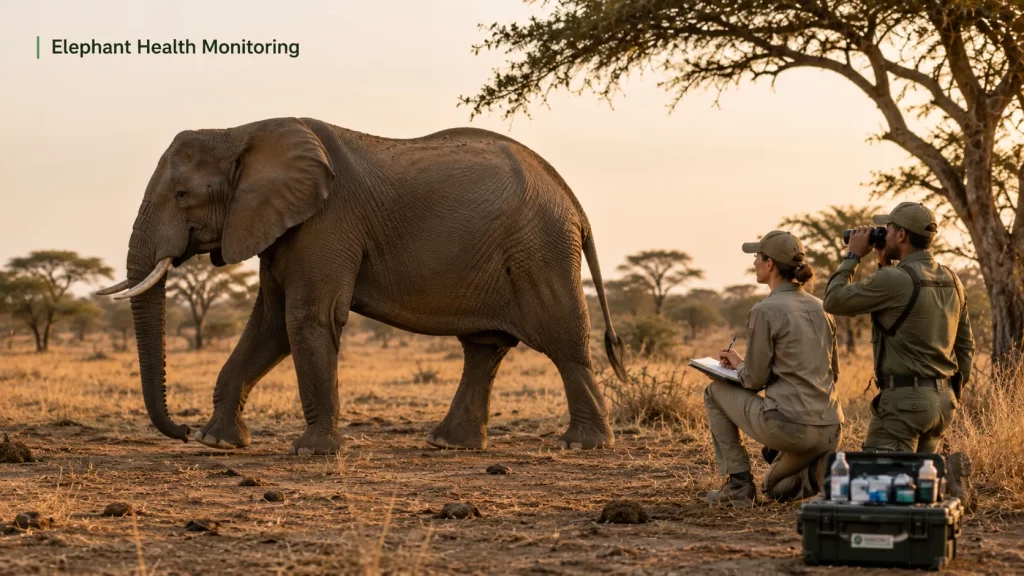
Common Elephant Health Problems
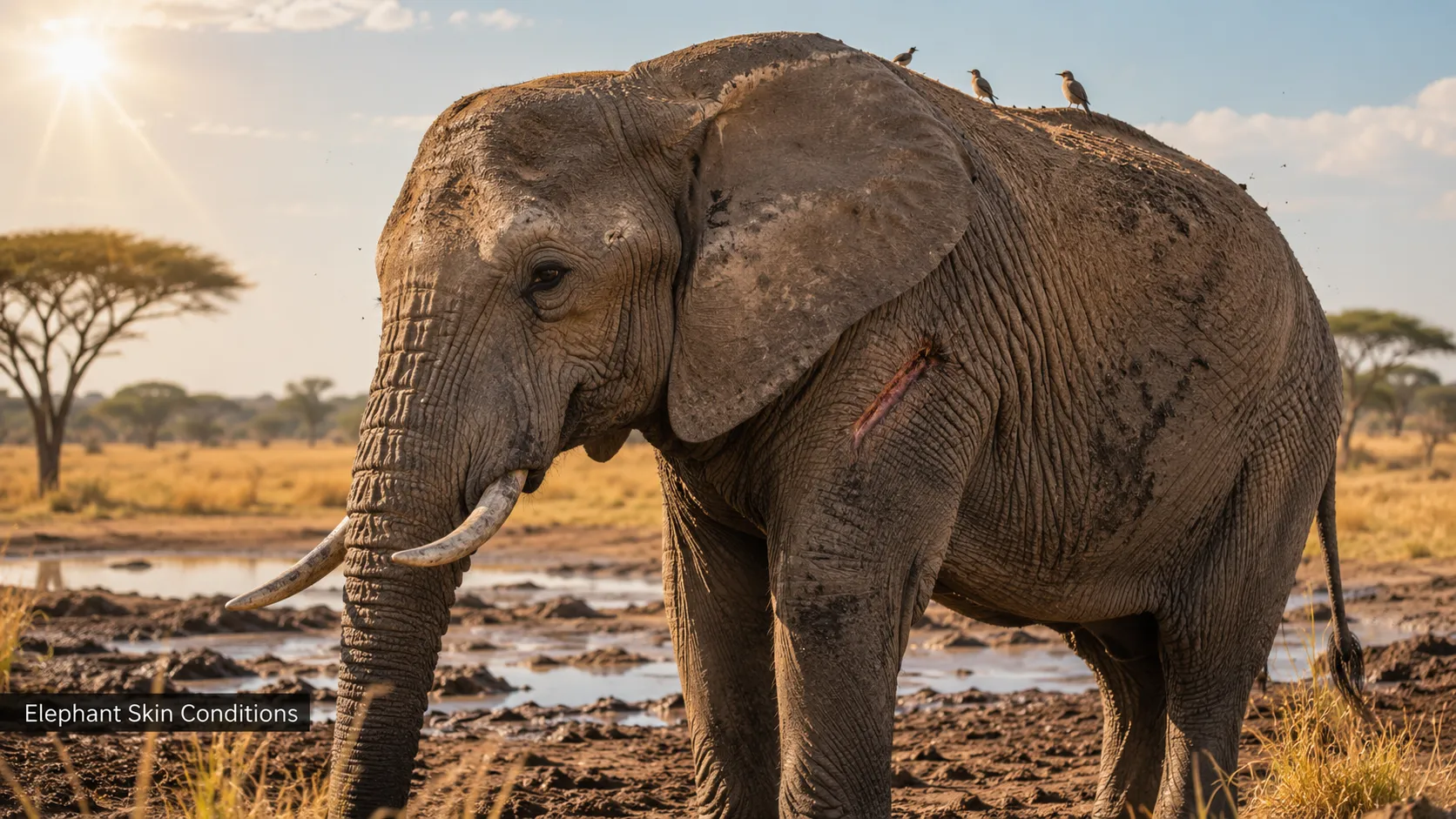
Elephant disease includes infectious and non-infectious problems. African elephants can suffer from wounds, abscesses, foot injuries, malnutrition, snare injuries, poisoning, tuberculosis, anthrax, rabies, and herpesvirus-related disease. Captive and free-ranging elephants face different risks, but both need strong health monitoring.
Foot and joint problems matter because elephants carry great weight. An adult African savanna elephant can weigh several tons, so a small foot wound can become serious. In free-ranging elephants, injuries may come from rocky ground, snares, spear wounds, gunshot wounds, or long-distance movement during drought.
Field teams usually watch for limping, swelling, poor feeding, isolation, discharge, unusual aggression, or repeated lying down. These signs do not confirm one diagnosis. They only tell teams that closer observation or intervention may be needed.
Tuberculosis in Elephants
Tuberculosis is an important elephant disease because it can involve wildlife, livestock, and people. A 2019 report described fatal Mycobacterium tuberculosis disease in a free-ranging African elephant in a high human TB burden region. The authors noted public health, veterinary, and conservation implications.
Another CDC-linked report described 2 incidental cases of Mycobacterium bovis infection in free-ranging African elephants from a tuberculosis-endemic national park in South Africa. These cases show why elephant health cannot be separated from broader landscape health.
Elephant Endotheliotropic Herpesvirus
Elephant endotheliotropic herpesvirus, often called EEHV, is best known from young Asian elephants. However, African elephants can also be affected. The disease can cause bleeding, swelling, weakness, and rapid death in severe cases. It is a major concern in managed elephant populations.
EEHV shows why Wildlife Disease & Animal Health needs species-specific knowledge. A disease may behave differently in African elephants, Asian elephants, calves, adults, captive animals, and free-ranging herds. Early treatment in managed care can improve outcomes, but fast diagnosis remains vital.
For wild African elephants, EEHV surveillance is harder. Teams may only detect the disease after sudden calf deaths. That makes necropsy, tissue sampling, and recordkeeping essential when young elephants die unexpectedly.
Anthrax in African Wildlife
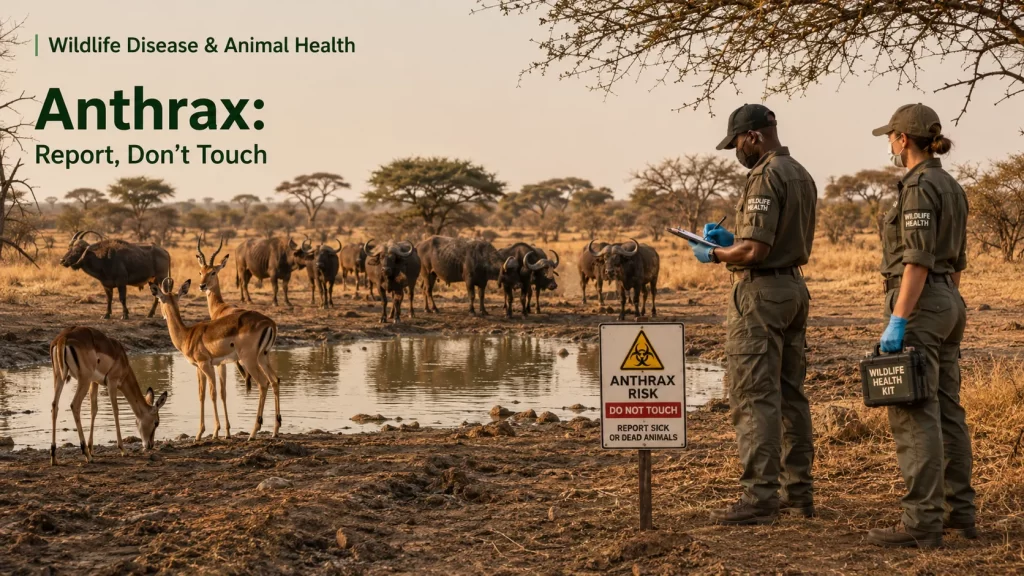
How Anthrax Spreads
Anthrax is a classic African wildlife illness because it links soil, weather, herbivores, scavengers, and people. Herbivores usually become infected while grazing or drinking in contaminated areas. Spores can remain in the environment for years, then reappear when weather or soil disturbance brings them closer to animals.
WOAH explains that anthrax spores are very resistant and can cause disease years after an outbreak. The disease commonly causes high mortality in wild and domestic herbivores. This makes anthrax a long-term landscape problem, not a one-season event.
Species affected may include buffalo, antelope, zebra, elephants, hippos, giraffes, and livestock. Carnivores and scavengers may also be exposed when they feed on infected carcasses. Humans can become infected through contact with sick animals, carcasses, hides, meat, or contaminated products.
Field Signs and Response
Anthrax can kill quickly, so teams often find carcasses before seeing sick animals. Warning signs include sudden death, blood from body openings, lack of clotting, bloating, and multiple carcasses near water or grazing areas. However, teams should not rely only on appearance because other diseases can also cause sudden death.
A safe anthrax response uses strict steps:
- Do not open suspected carcasses in the field.
- Keep people and livestock away from the site.
- Report deaths to wildlife and veterinary authorities.
- Collect samples only with trained personnel.
- Burn or bury carcasses under official protocols.
- Disinfect equipment, boots, and vehicles properly.
These actions protect animal health, wildlife systems, and reduce human exposure. Community messages should be simple and direct. People should not handle carcasses, butcher sick animals, or drink untreated water near outbreak sites.
Rabies in African Mammals
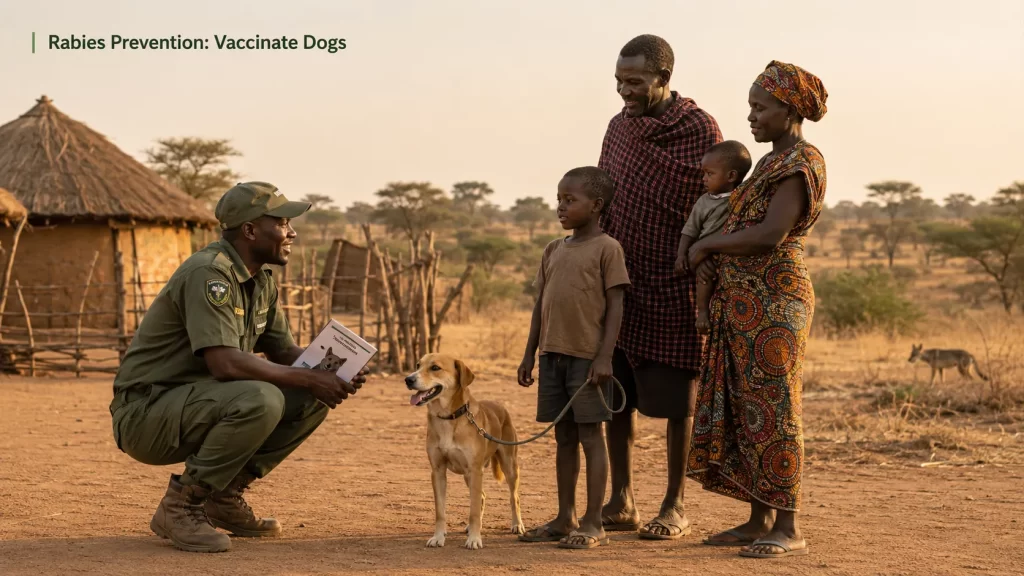
Why Rabies Is a Major Zoonotic Threat
Rabies is a fatal but preventable viral disease. CDC states that rabies spreads to people and pets through bites or scratches from infected animals. It attacks the central nervous system and can cause death if care does not begin before symptoms appear.
WOAH notes that rabies incubation can vary from weeks to months. Once symptoms appear, the disease is invariably fatal in animals and humans. WHO adds that dog bites and scratches cause 99% of human rabies cases, and 40% of deaths occur in children under 15.
In Africa, rabies often involves domestic dogs, jackals, mongooses, bats, and other mammals. Wildlife cases matter because infected animals may lose fear, behave strangely, bite livestock, or enter villages. Any unusual aggression or paralysis in mammals should be treated seriously.
Signs in Wildlife and Safety Steps
Rabid animals may show two broad patterns. Furious rabies can cause aggression, biting, restlessness, drooling, and unusual movement. Paralytic rabies can cause weakness, staggering, a dropped jaw, poor swallowing, or limb paralysis. Both forms are dangerous.
Wildlife Disease & Animal Health teams avoid direct handling unless properly trained and vaccinated. Bite victims need immediate wound washing and urgent medical care. Pre-exposure vaccination is important for veterinarians, rangers, wildlife handlers, and laboratory staff.
Foot-and-Mouth Disease Wildlife Risks
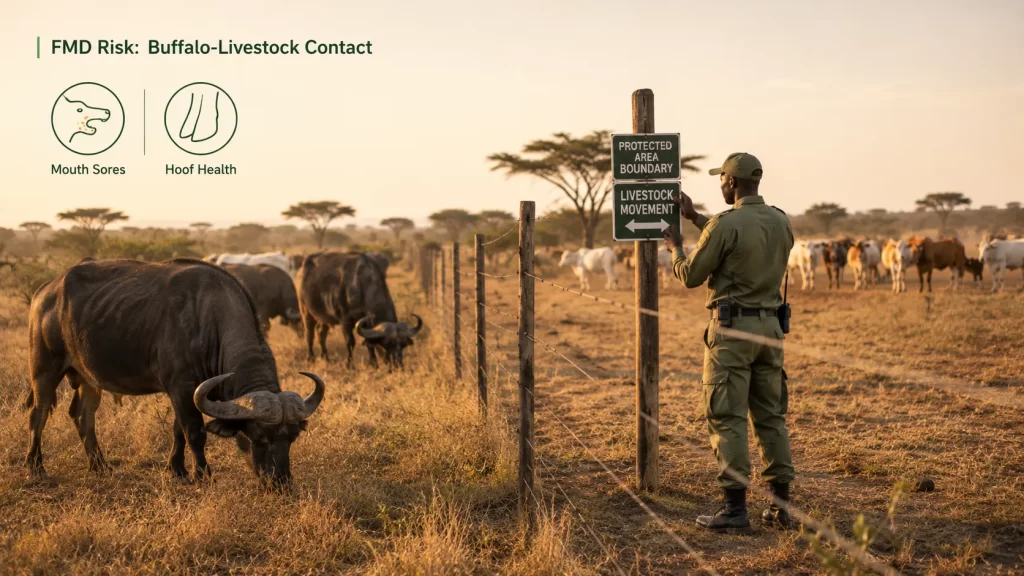
What FMD Does to African Mammals
Foot-and-mouth disease wildlife risk is most important in cloven-hoofed animals. FMD affects cattle, buffalo, sheep, goats, pigs, and several wild ungulates. WOAH states that FMD causes fever and blister-like sores on the tongue, lips, mouth, teats, and between hooves. Most affected animals recover, but they can remain weak and debilitated.
African buffalo play a special role. WOAH states that African buffalo are important carriers of the FMD virus. Other wildlife species do not seem able to maintain FMD viruses in the same way. This makes buffalo-livestock contact a key concern near protected areas.
FMD rarely becomes a conservation crisis by itself, but it can create major livestock and trade impacts. Outbreaks can trigger movement controls, market closures, and vaccination campaigns. For communities near parks, these impacts can be severe.
How Teams Reduce FMD Transmission
Reducing foot-and-mouth disease wildlife risk requires contact management. Fences, buffer zones, grazing plans, water-point design, and livestock vaccination can lower risk. These tools work best when local communities help design them.
Field signs include drooling, mouth lesions, lameness, reluctance to move, fever, and young-animal deaths in some species. However, field diagnosis is not enough. Lab confirmation is needed because other mouth and foot diseases can look similar.
A strong FMD plan includes:
- Reporting mouth lesions or sudden lameness.
- Testing livestock and wildlife when possible.
- Tracking buffalo and cattle contact points.
- Coordinating vaccination in high-risk livestock zones.
- Use movement controls only where needed.
- Keeping farmers informed during outbreaks.
This balanced approach protects livestock without treating wildlife as the enemy.
Rift Valley Fever and Mosquito-Borne Illness
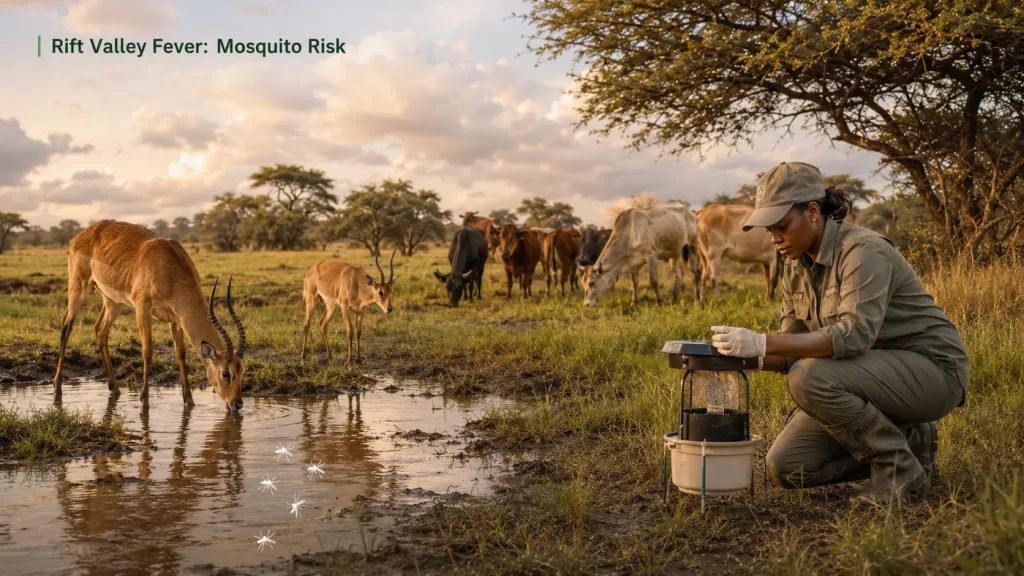
How Rift Valley Fever Moves
Rift Valley fever is a mosquito-borne viral disease that affects livestock, wildlife, and people. FAO describes it as a vector-borne viral disease endemic to many African countries. It poses significant risks to human health, animals, and livestock.
The disease often increases after heavy rainfall and flooding, when mosquito breeding sites expand. In livestock, RVF can cause abortions, fever, and high death rates in young animals. Wildlife infections are less visible, but many wild ruminants may be exposed in endemic regions.
People can become infected through mosquito bites or contact with blood, organs, or fluids from infected animals. This makes slaughter, carcass handling, and veterinary work higher-risk activities during outbreaks.
Warning Signs for Wildlife Teams
Rift Valley fever can be hard to detect in wildlife because abortions may go unseen. Teams may notice unusual deaths in young antelope, sick livestock near parks, mosquito blooms, or human cases after heavy rains. These signals should trigger joint surveillance.
Wildlife Disease & Animal Health teams should coordinate with meteorological services, livestock officers, and public health units. Rainfall alerts can help predict risk before infections rise. This is one reason modern disease control uses satellite data, local reports, and laboratory testing together.
Tuberculosis and Chronic Disease in Wildlife
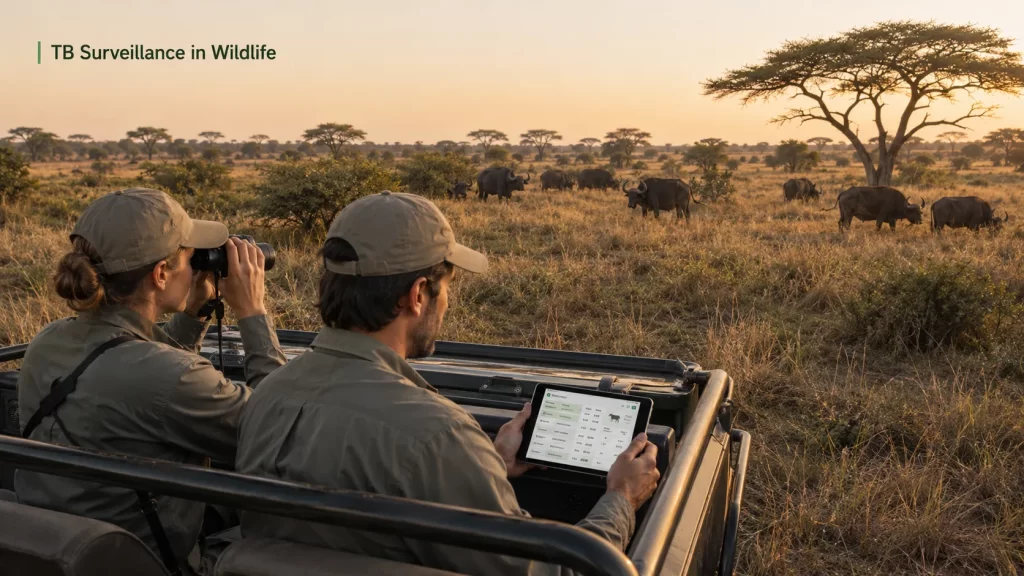
Why TB Is Different
Tuberculosis differs from fast outbreaks because it can spread slowly. Infected animals may live for months or years before severe illness appears. This makes TB hard to detect and harder to remove from multi-host systems.
African buffalo, lions, kudu, warthogs, and other mammals may be involved in bovine tuberculosis systems in southern Africa. Elephants can also be affected, as shown by documented free-ranging cases.
TB signs include weight loss, coughing, weakness, swollen lymph nodes, poor coat condition, and reduced reproduction. Predators may become exposed by feeding on infected prey. Scavengers may also contact infected tissues.
Management Challenges
TB management is complex because culling wildlife rarely solves multi-host disease alone. Vaccination options are limited, testing is difficult, and wildlife movement is natural. Livestock testing and movement control remain important in shared landscapes.
Strong surveillance helps identify hotspots. Necropsy records, carcass testing, livestock test results, and predator health checks can reveal patterns. Over time, teams can identify high-risk contact zones and adjust management.
Brucellosis, Q Fever, and Reproductive Disease
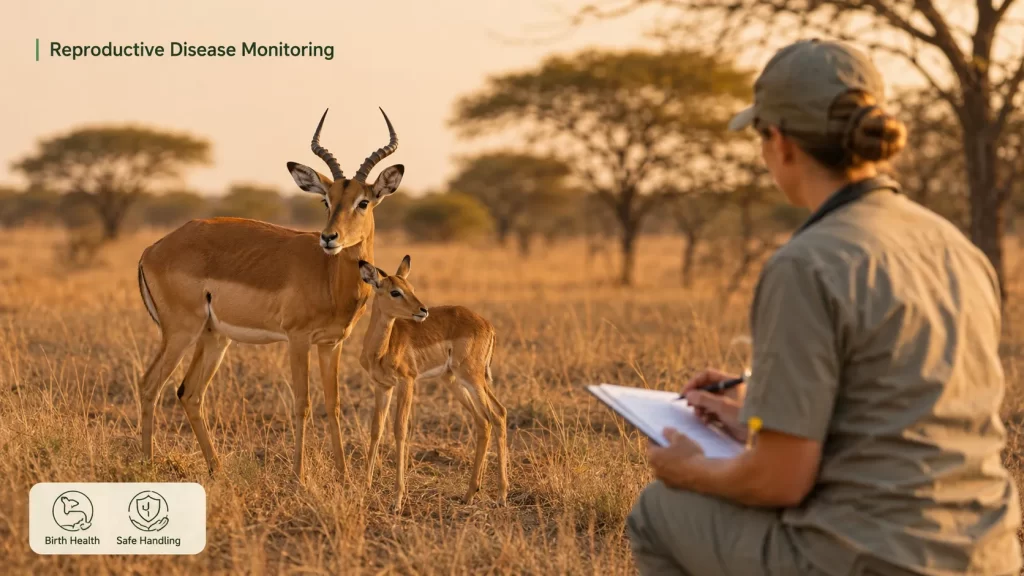
Reproductive Loss in African Mammals
Brucellosis and Q fever can cause abortions, infertility, weak newborns, and chronic reproductive problems. These diseases are important because reproductive loss can reduce population growth, even when adult deaths remain low.
In wildlife, abortions are often missed. Scavengers remove fetal tissue quickly, and herds may move away. That makes disease detection harder than in livestock. Still, repeated abortions in antelope, buffalo, or nearby cattle should raise concern.
A 2023 study described brucellosis, Rift Valley fever, and Q fever as zoonoses prevalent in many developing countries, with high burdens on human and animal health. This supports integrated testing where livestock, wildlife, and people share risk.
Human Exposure Risks
People may be exposed through raw milk, birth fluids, carcasses, or slaughter materials. Herders, abattoir workers, veterinarians, and wildlife staff face higher exposure. In communities near wildlife areas, education should focus on practical risk reduction.
Useful controls include boiling milk, wearing gloves during births, safely disposing of fetal tissue, and reporting abortion clusters. These steps are simple, but they can prevent serious illness.
Parasites, Ticks, and Blood Diseases
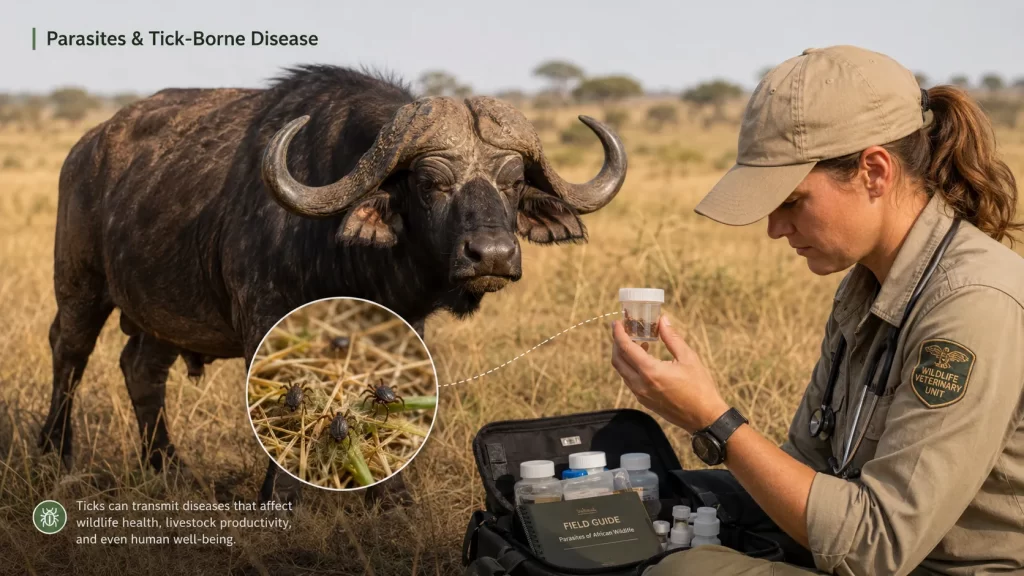
Tick-Borne Disease Pressure
Ticks are common in African ecosystems, and many wildlife species tolerate them well. Problems occur when parasite loads become extreme or when pathogens move into livestock or stressed wildlife. Drought, crowding, habitat change, and poor body condition can increase disease impact.
Tick-borne pathogens can cause fever, anemia, weakness, neurological signs, and death. Young animals may suffer more because their immune systems are still developing. Animals weakened by drought or poor nutrition may also decline faster.
Wildlife Disease & Animal Health teams usually do not treat every wild animal with ticks. Instead, they track unusual disease patterns. A few ticks are normal. Mass weakness, heavy infestation, and repeated deaths are not normal.
Internal Parasites and Body Condition
Internal parasites include worms and protozoa. They can reduce growth, drain blood, cause diarrhea, and weaken animals. In balanced ecosystems, many wildlife populations carry parasites without major harm. Disease emerges when stress tips the balance.
Field teams use body condition scoring, fecal egg counts, necropsy findings, and age data. These details show whether parasites are primary problems or secondary signs of stress. This distinction matters because treating symptoms without fixing drought, crowding, or malnutrition may fail.
Skin Disease, Wounds, and Trauma
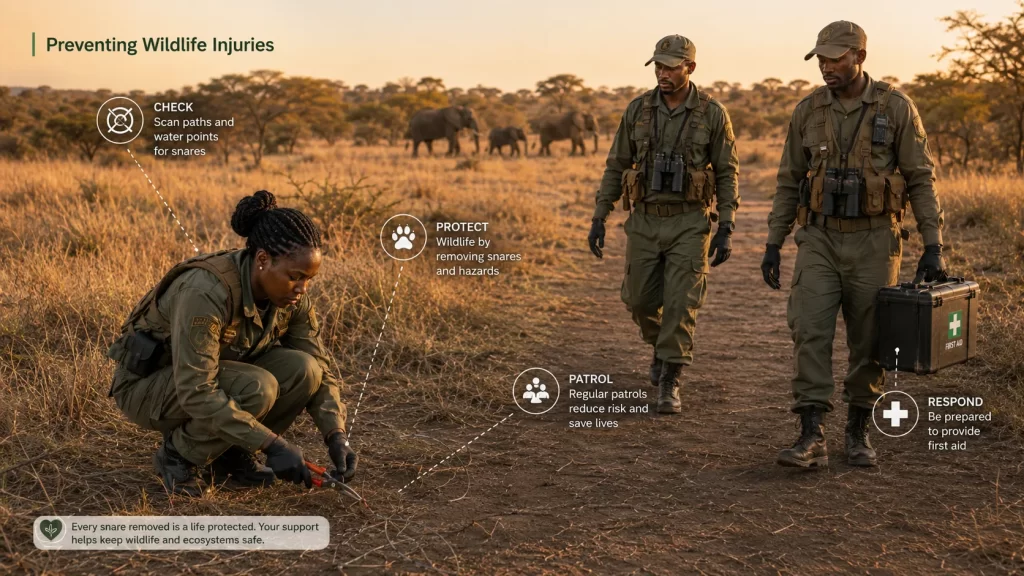
Injuries From Natural and Human Causes
African mammals often suffer wounds from fighting, predation attempts, rough terrain, and accidents. Human-linked injuries also matter. Snares, fences, vehicle strikes, spears, bullets, and traps can cause severe trauma.
Elephants, rhinos, lions, giraffes, and antelopes may survive initial wounds but later die from infection. Abscesses, maggots, bone injuries, and septicemia can follow untreated trauma. In social species, isolation may be an early warning sign.
Wildlife teams must decide when intervention is justified. Treating every wound is impossible and may disturb natural systems. However, human-caused injuries often receive priority because they are not natural selection events.
Skin Conditions and Mange
Skin disease can come from mites, fungi, bacteria, viruses, allergies, nutrition problems, or immune stress. Mange can cause hair loss, crusting, itching, weakness, and secondary infection. In severe cases, animals lose condition and die.
Skin signs should be photographed and mapped. Repeated cases in one area may suggest crowding, poor nutrition, or disease spread. Single cases may reflect age, injury, or individual weakness.
Nutrition, Drought, and Stress-Linked Illness
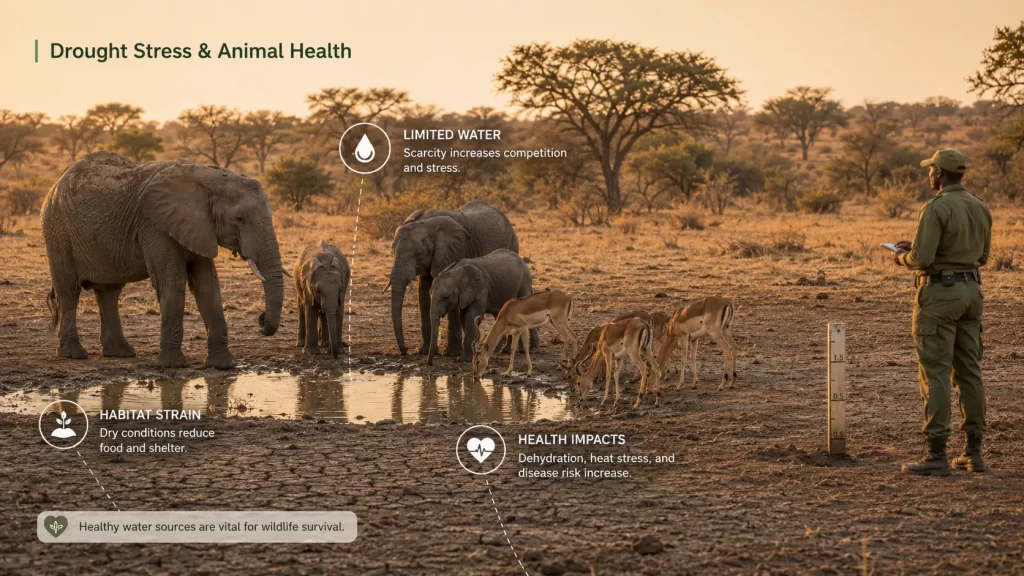
When Poor Nutrition Becomes Disease
Not all wildlife illnesses start with a pathogen. Drought, habitat loss, overstocking, and blocked migration can reduce food quality. Animals then lose fat, immunity weakens, and disease becomes more likely.
Poor nutrition can appear as visible ribs, dull coat, slow movement, low birth rates, poor calf survival, and higher parasite burden. Large herbivores may walk farther to find water, burning more energy during already stressful periods.
Elephants face special pressure during drought because they need large amounts of food and water. Older elephants, calves, and lactating females may suffer first. Wildlife teams should track age class, body condition, water access, and mortality patterns.
Stress and Disease Susceptibility
Stress affects immune function. Capture, translocation, fencing, crowding, noise, tourism pressure, and conflict can all increase stress. Some stress is short-term and manageable. Chronic stress can raise disease risk.
This matters in animal health and wildlife planning. A translocated antelope herd may need quarantine, parasite checks, and post-release monitoring. A fenced reserve may need stocking limits to prevent crowding at dry-season water points.
Disease prevention is not only vaccines and medicines. It also includes habitat quality, water planning, safe corridors, and conflict reduction.
Zoonotic Disease Wildlife Risks
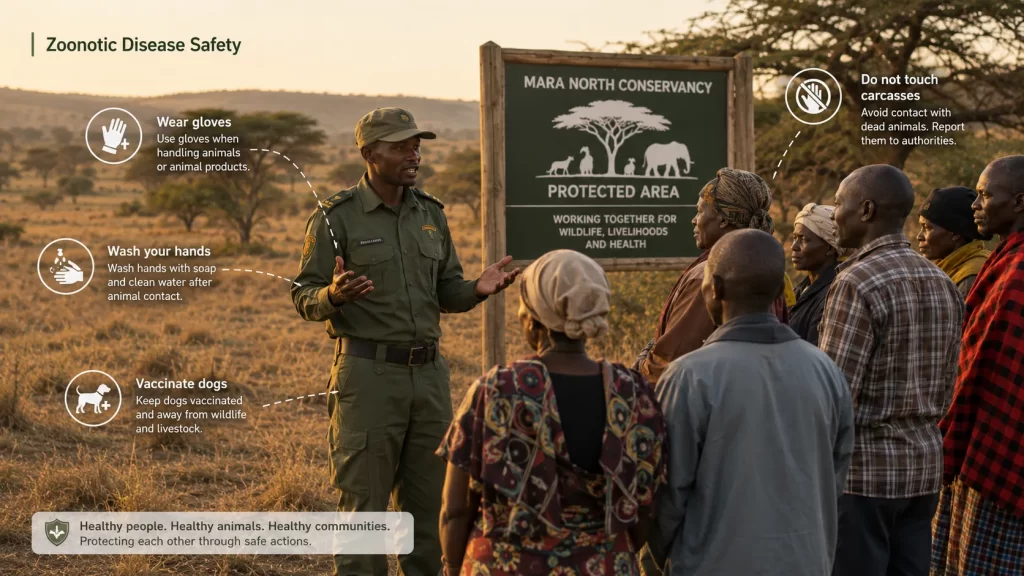
Diseases That Can Affect People
Zoonotic disease wildlife risk includes rabies, anthrax, Rift Valley fever, tuberculosis, brucellosis, Q fever, salmonellosis, and some viral hemorrhagic diseases. Not every wildlife disease threatens people, but many important ones do.
CDC’s zoonotic disease data explains why this matters globally. More than 60% of known infectious diseases in people can spread from animals, and 75% of new or emerging infectious diseases in people come from animals.
High-risk activities include handling carcasses, butchering bushmeat, drinking raw milk, assisting births, touching blood, feeding wildlife, and receiving bites or scratches. Risk also rises when people enter caves, roosts, wetlands, or outbreak zones without protection.
Practical Safety Rules
Communities and field teams can lower risk with simple rules:
- Do not touch sick or dead wild animals.
- Report unusual deaths to authorities.
- Wash bites and scratches for 15 minutes.
- Seek urgent care after any mammal bite.
- Wear gloves when handling livestock births.
- Boil milk before drinking it.
- Avoid raw meat from sick animals.
- Keep dogs vaccinated against rabies.
- Use mosquito protection during RVF alerts.
These steps work because they target the most common exposure routes. They also protect wildlife by reducing panic killing and unsafe carcass handling.
Common Illnesses in African Mammals: Quick Reference Table
| Disease or condition | Main species affected | Key signs | Human risk | Main prevention |
|---|---|---|---|---|
| Anthrax | Buffalo, antelope, elephants, hippos, livestock | Sudden death, bleeding, bloating | High | Safe carcass disposal, reporting, livestock vaccination |
| Rabies | Dogs, jackals, mongooses, bats, wild mammals | Aggression, paralysis, drooling, biting | Very high | Dog vaccination, bite care, staff vaccination |
| Foot-and-mouth disease | Buffalo, cattle, antelope, pigs, goats | Mouth sores, drooling, lameness, fever | Low direct risk | Livestock vaccination, contact control, surveillance |
| Rift Valley fever | Livestock, wild ruminants, people | Abortions, fever, young deaths | High | Mosquito control, safe slaughter, rainfall alerts |
| Tuberculosis | Buffalo, elephants, lions, livestock | Weight loss, coughing, weakness | Moderate to high | Testing, movement control, necropsy surveillance |
| Brucellosis | Buffalo, antelope, livestock | Abortions, infertility, weak newborns | High | Milk boiling, birth hygiene, testing |
| Tick-borne disease | Many wild and domestic mammals | Fever, anemia, weakness, death | Variable | Tick monitoring, livestock treatment, habitat awareness |
| Mange and skin disease | Carnivores, antelope, primates | Hair loss, crusts, itching, weakness | Low to moderate | Monitoring, reducing crowding, targeted treatment |
| Trauma and wounds | Elephants, rhinos, lions, antelope | Limping, swelling, abscesses, bleeding | Low direct risk | Snare removal, patrols, conflict reduction |
| Malnutrition and drought stress | Herbivores, carnivores, calves | Weight loss, low births, weakness | Low direct risk | Habitat protection, water planning, migration corridors |
Disease Surveillance in Wildlife Areas
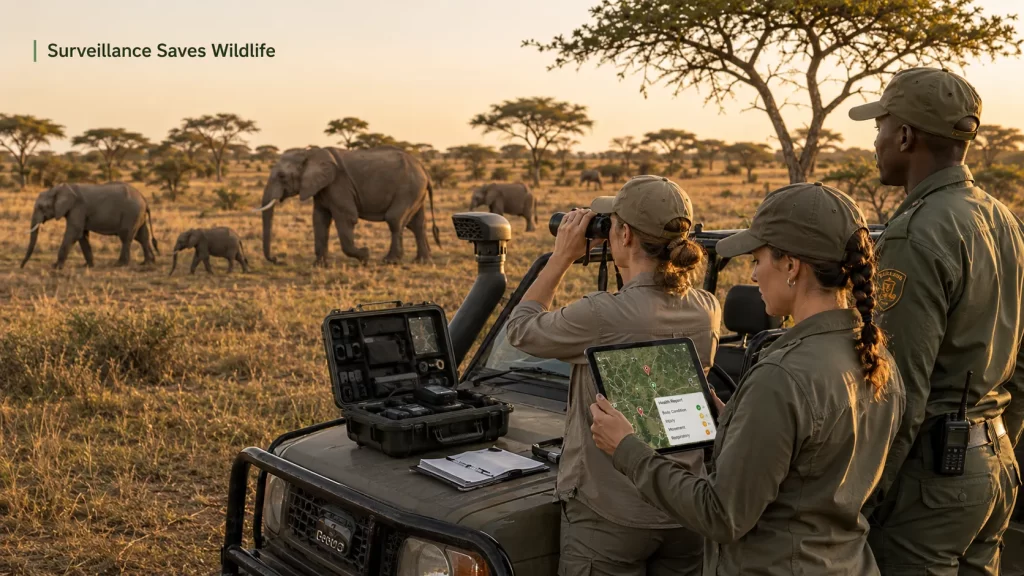
What Rangers and Vets Watch
Surveillance is the backbone of Wildlife Disease & Animal Health. Rangers often notice the first signs because they know normal animal behavior. A lone buffalo, a limping elephant, a fearless jackal, or 5 carcasses near one waterhole can all matter.
Useful surveillance data includes date, location, species, age class, number affected, signs, photos, scavenger activity, water conditions, and nearby livestock contact. GPS points are especially valuable because disease often clusters around water, mineral licks, grazing zones, or human settlements.
The best systems make reporting easy. A ranger should not need a long form during an emergency. Simple phone-based reports, photos, and quick escalation can save time.
Why Laboratory Testing Matters
Field signs guide response, but laboratories confirm disease. Anthrax, rabies, FMD, tuberculosis, and RVF all need proper testing. Without confirmation, teams may waste resources or miss public health risks.
Sample quality matters. Heat, decay, contamination, and poor storage can ruin results. This is why teams need training, cold chains, protective gear, and clear protocols.
Prevention and Control Strategies
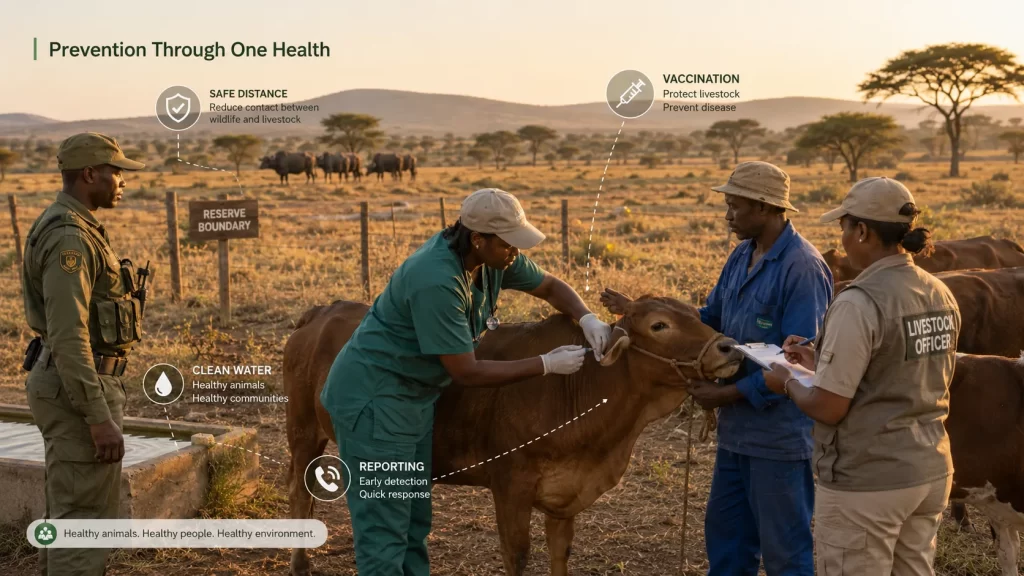
Vaccination Where It Works
Vaccination can protect livestock, domestic dogs, and some managed wildlife. Dog rabies vaccination is one of the strongest One Health tools because it protects people and wildlife. Livestock vaccination can reduce anthrax, FMD, and other disease risks near protected areas.
Wildlife vaccination is harder. Free-ranging animals are difficult to catch, dose, and monitor. Oral baits may work for some species and diseases, but not all. Injectable vaccines need capture, which adds stress and cost.
Therefore, prevention often focuses on domestic animals around wildlife areas. Healthy livestock and vaccinated dogs reduce spillover risks in both directions.
Habitat and Contact Management
Habitat management can reduce disease pressure. Healthy grazing areas prevent crowding. Functional migration corridors reduce forced contact. Well-planned water points lower disease concentration during drought.
Contact management should be practical, not punitive. Farmers need access to grazing and water. Wildlife needs movement space. Solutions may include seasonal grazing plans, buffer zones, livestock health campaigns, and compensation for conflict losses.
Climate Change and Future Disease Risk
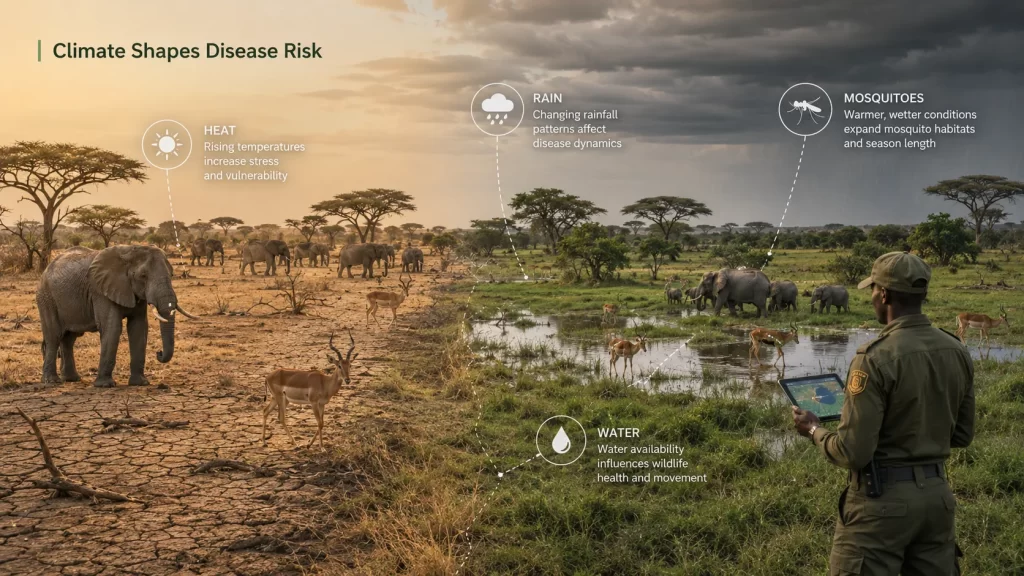
Rainfall, Heat, and Vectors
Climate change can alter disease risk by changing rainfall, heat, vegetation, water availability, and vector survival. Mosquito-borne diseases may rise after heavy rains. Drought can crowd wildlife and livestock at fewer water points. Heat stress can weaken animals and increase mortality.
Disease forecasting is improving because teams can now combine rainfall data, satellite imagery, mosquito surveillance, livestock reports, and wildlife observations. These tools help predict risk before outbreaks become visible.
However, forecasts must reach local teams. A perfect model is useless if rangers, farmers, and clinics do not receive timely warnings. Communication remains a core part of animal health in wildlife systems.
Biodiversity and Disease Balance
Healthy ecosystems can reduce some disease risks by supporting balanced host communities and natural movement patterns. Damaged habitats can force animals into farms, towns, and crowded reserves. That increases contact and stress.
Disease prevention should be part of land-use planning. Roads, fences, farms, mines, and settlements can all reshape animal movement. When planning ignores wildlife health, disease risk can rise quietly.
Field Response: What Happens During an Outbreak
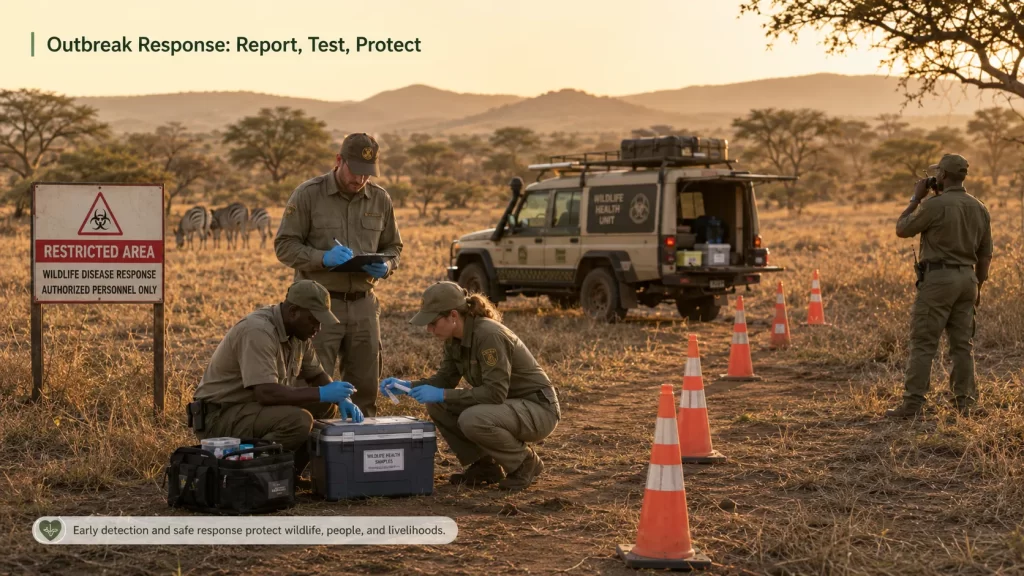
First 24 Hours
The first 24 hours shape outbreak control. Teams confirm location, restrict unsafe access, photograph evidence, protect staff, and report to veterinary authorities. If zoonotic risk is possible, public health teams should be alerted early.
No one should open carcasses suspected of anthrax. No one should handle biting mammals suspected of rabies without training. No one should move sick livestock near a suspected FMD zone. These simple rules prevent bigger problems.
A strong first response includes:
- Secure the site.
- Record species and numbers.
- Note water sources and livestock nearby.
- Use personal protective equipment.
- Collect approved samples.
- Share risk messages with communities.
- Track new cases daily.
Clear leadership prevents confusion during high-pressure events.