Table of Contents
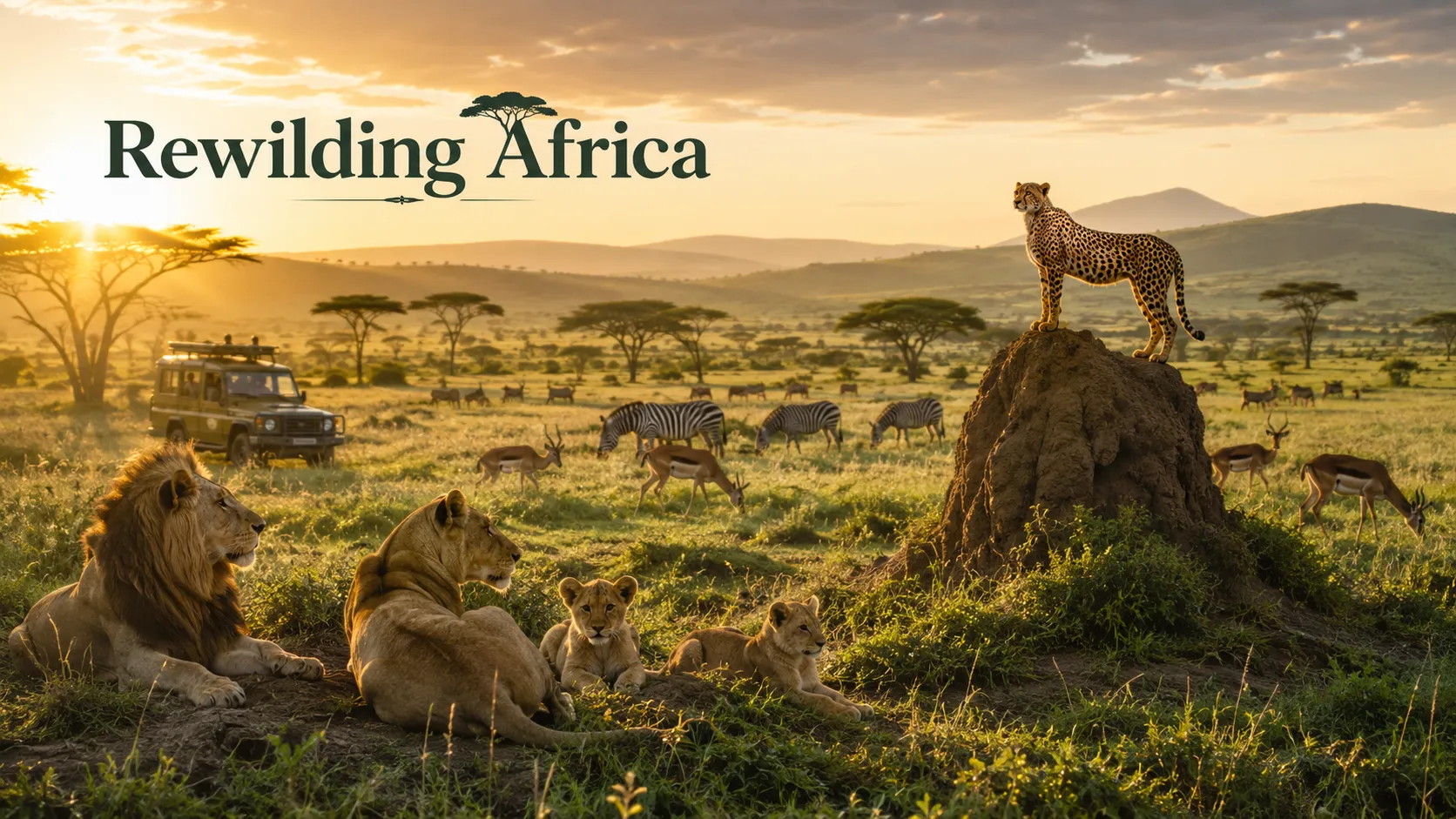
Rewilding Africa focuses on restoring natural ecosystems by bringing back native species and rebuilding ecological processes. Conservation groups across the continent use this approach to revive landscapes damaged by habitat loss, poaching, and human pressure. The goal is not only to protect individual animals but also to restore the balance that keeps ecosystems healthy.
Healthy ecosystems support biodiversity, improve water systems, and strengthen resilience against climate change. Predators play a major role in this process because they regulate prey populations and influence animal behavior. When ecosystems function naturally, vegetation recovers, and habitats become more stable.
Rewilding also benefits people. Thriving wildlife areas create tourism opportunities, support local economies, and encourage sustainable land management. As a result, conservation efforts often deliver both ecological and social benefits.
How Predator Reintroduction Drives Rewilding Africa
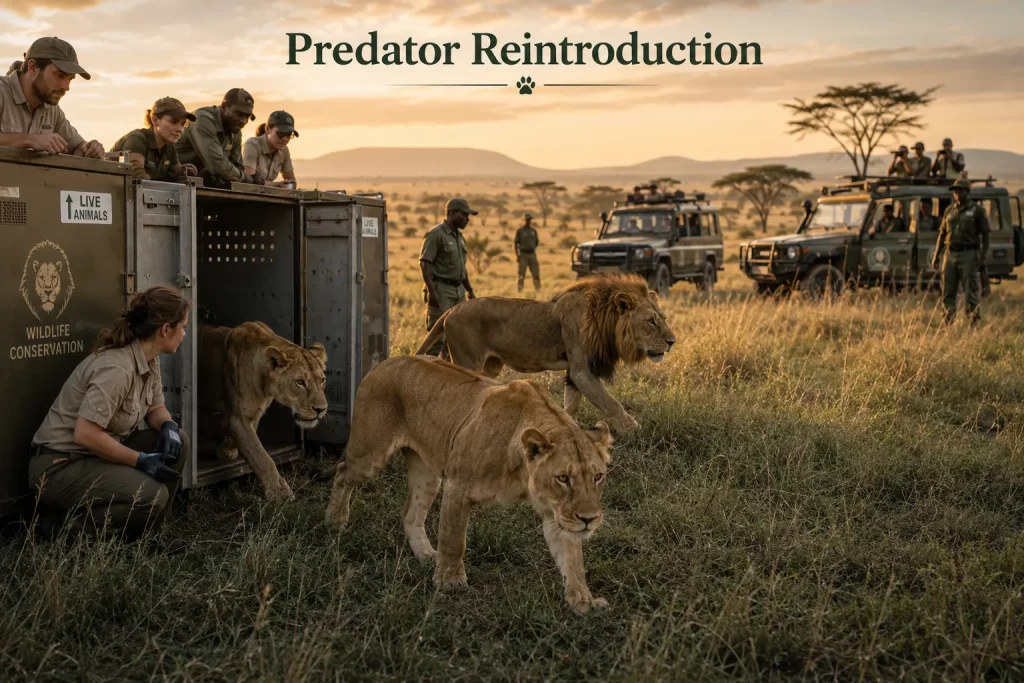
Predator reintroduction sits at the heart of many conservation projects. Species such as lions, cheetahs, and African wild dogs once occupied vast areas of the continent. However, habitat fragmentation and human conflict caused severe declines in many regions.
Reintroducing predators helps restore natural relationships between species. Apex predators influence herbivore movements and prevent excessive grazing. This process allows grasses, shrubs, and trees to recover over time.
Conservation teams carefully plan these programs. Wildlife experts evaluate habitat quality, prey availability, and genetic diversity before releasing animals into protected areas. Rangers and researchers then monitor the animals to improve survival rates.
Despite these benefits, predator restoration remains challenging. Human-wildlife conflict, limited habitat, and poaching continue to threaten long-term success. Effective community engagement and strong protection measures remain essential.
Lion Reintroduction Success Stories Across Africa
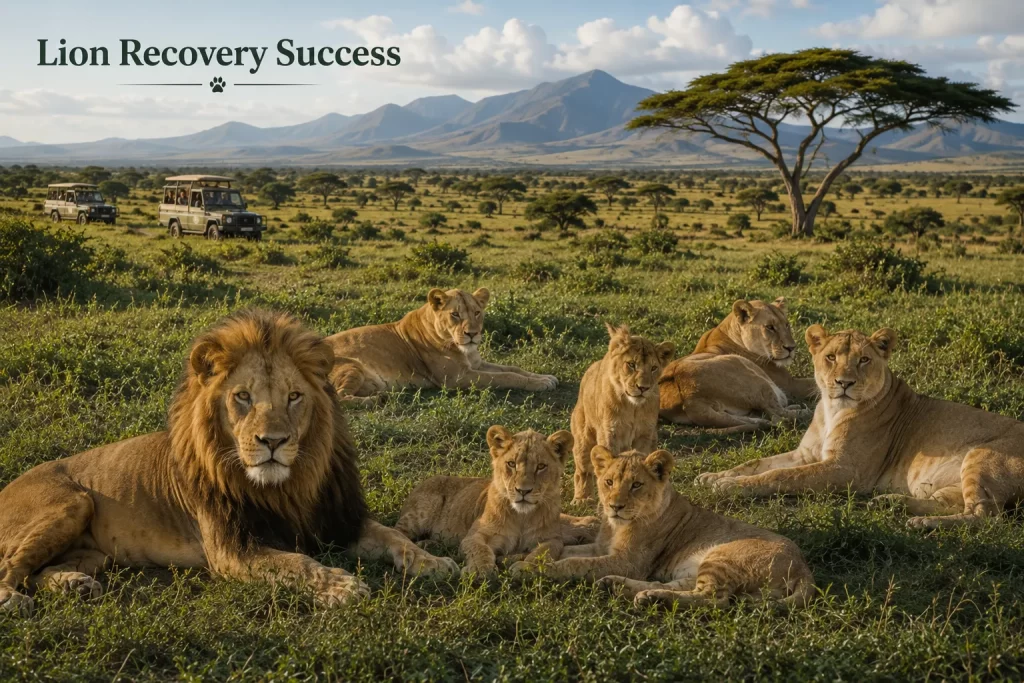
Several African countries have demonstrated that lion reintroduction can support ecosystem recovery. Protected reserves and national parks have become examples of successful conservation management.
Rwanda’s Akagera National Park represents one of the most recognized success stories. Lions returned after decades of absence, helping restore ecological balance. Similar efforts in Malawi and Mozambique have also strengthened predator populations.
These projects show that habitat protection and long-term management can reverse wildlife losses. Collaboration between governments, conservation organizations, and local communities has proven critical.
Major Lion Restoration Projects
- Akagera National Park, Rwanda
- Gorongosa National Park, Mozambique
- Majete Wildlife Reserve, Malawi
- Liuwa Plain National Park, Zambia
Selected Examples of Predator Restoration
| Location | Species Reintroduced | Conservation Outcome |
|---|---|---|
| Akagera National Park | Lions | Population recovery |
| Majete Wildlife Reserve | Lions | Stable breeding groups |
| Gorongosa National Park | Predators and herbivores | Ecosystem rebuilding |
| Liuwa Plain National Park | Lions | Increased population growth |
These examples highlight how predator recovery contributes to broader ecosystem restoration across Africa.
Cheetah Rewilding and Species Recovery
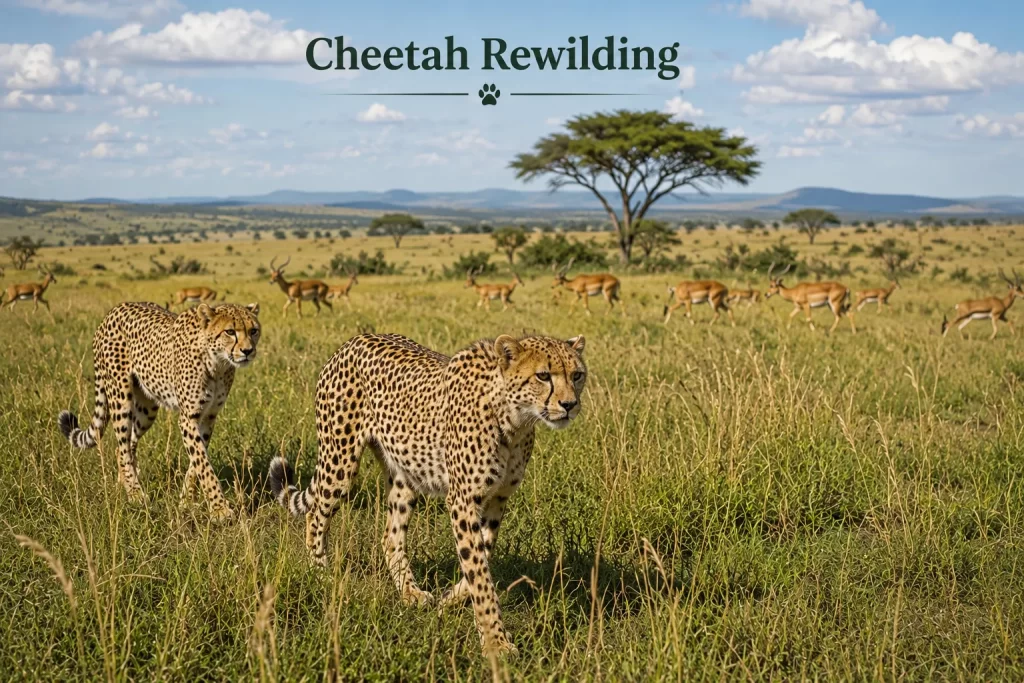
Cheetah rewilding programs require large landscapes with abundant prey. Unlike some predators, cheetahs depend on open habitats and face intense competition from larger carnivores. Habitat fragmentation remains one of their biggest challenges.
Conservation groups have worked to establish protected areas and reconnect wildlife corridors. These efforts increase movement between populations and improve genetic diversity. Several countries have launched programs designed to strengthen cheetah populations and expand their range.
Monitoring technology also supports conservation efforts. GPS collars and field observations help scientists understand movement patterns and habitat use. These tools allow managers to respond quickly to threats and improve survival rates.
Although challenges remain, cheetah rewilding continues to offer hope for one of Africa’s most iconic species.
Trophic Cascade Africa Explained
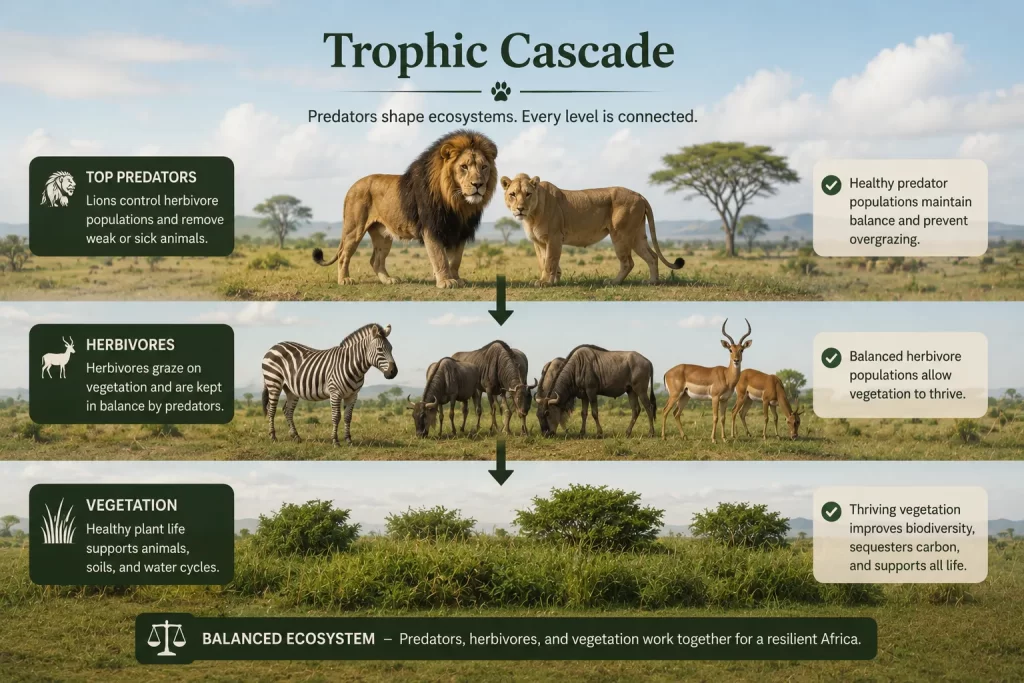
A trophic cascade occurs when predators influence the behavior and abundance of prey species. This process affects vegetation and eventually shapes entire ecosystems. Scientists consider trophic cascades one of the most important ecological mechanisms behind successful rewilding.
When predators are absent, herbivores may overgraze vegetation. Excessive grazing can damage habitats and reduce biodiversity. The return of apex predators helps restore balance by changing how prey species move and feed.
As vegetation recovers, habitats become healthier for birds, insects, and smaller mammals. Water quality and soil stability may also improve. These changes create a chain reaction that strengthens ecosystems over time.
Understanding trophic cascades helps explain why predator reintroduction remains central to rewilding Africa.
Ecosystem Restoration Africa Beyond Predators
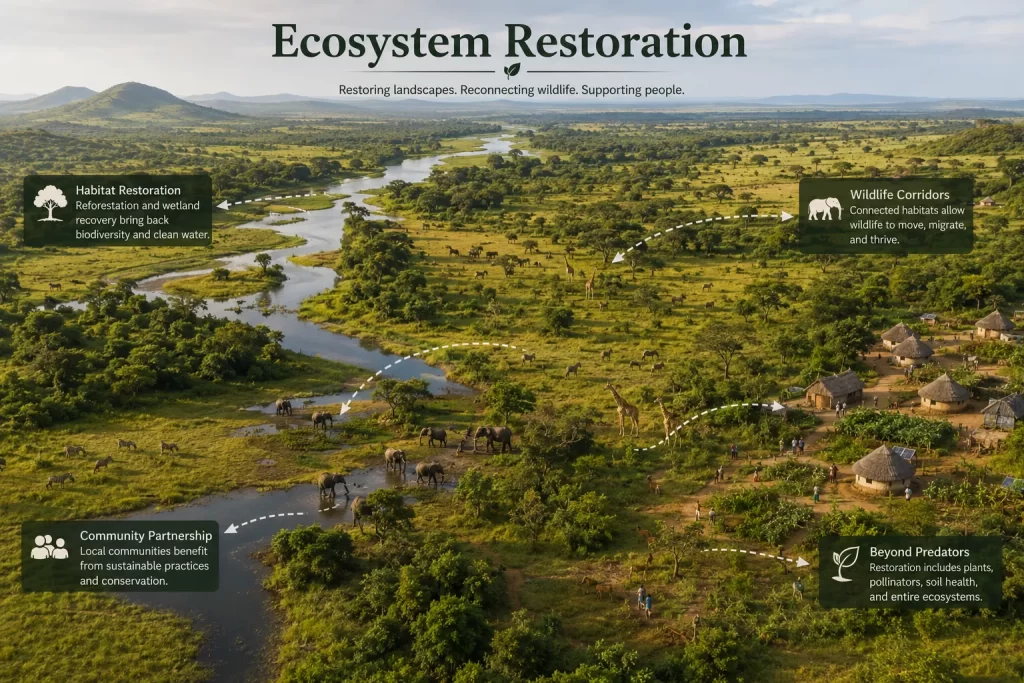
Rewilding involves much more than returning carnivores. Conservation organizations also focus on restoring rivers, wetlands, forests, and grasslands. Healthy habitats provide the foundation for thriving wildlife populations.
Wildlife corridors represent another important strategy. These connected landscapes allow animals to move safely between protected areas. Greater connectivity supports genetic diversity and improves long-term survival.
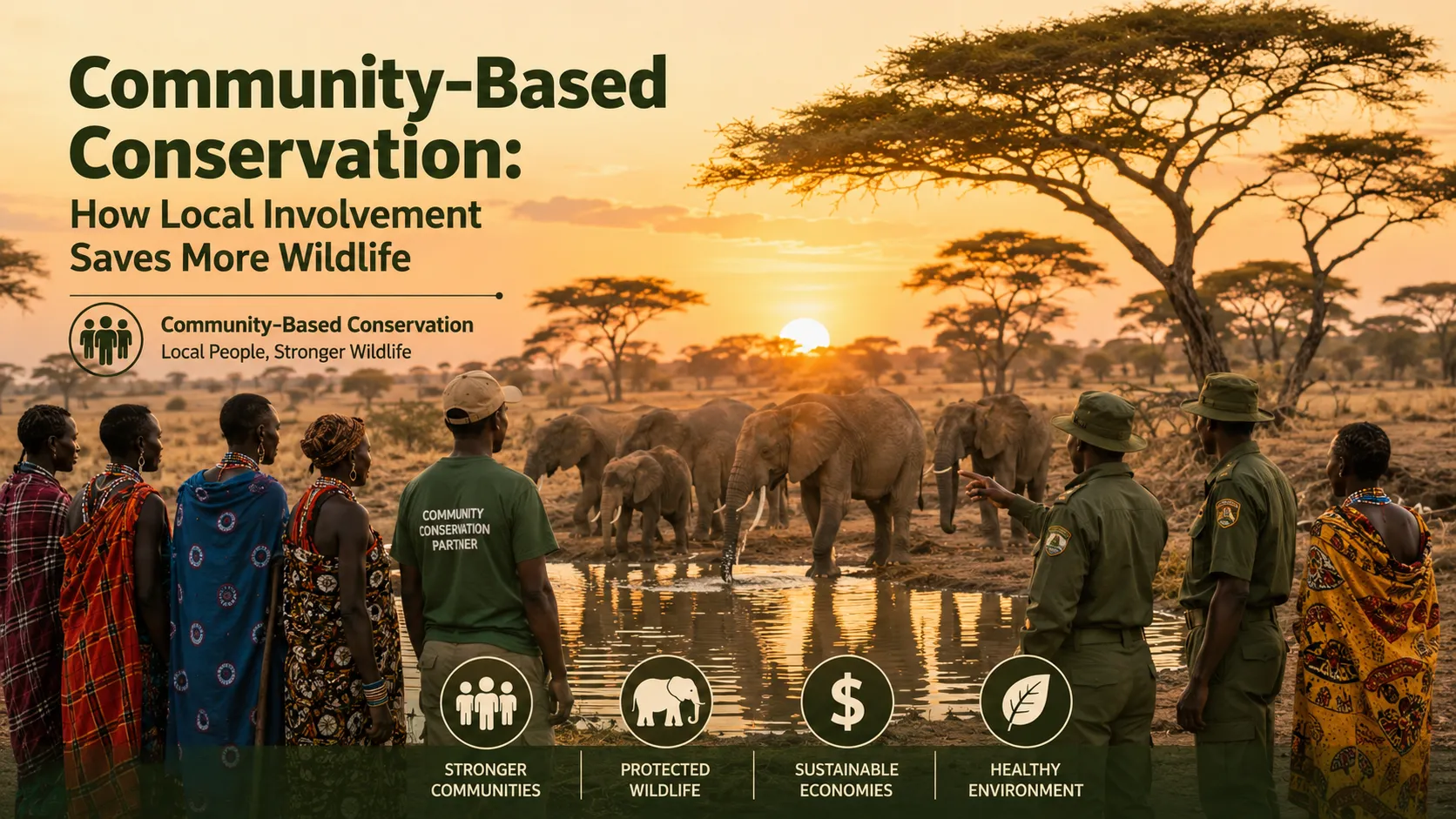
Community involvement also plays a major role. Many projects promote sustainable livelihoods through ecotourism, conservation jobs, and environmental education. Local support often determines whether restoration efforts succeed.
By combining habitat protection with species recovery, ecosystem restoration across Africa creates lasting benefits for both wildlife and people.
Challenges Facing Rewilding Africa Projects
Rewilding programs face several obstacles. Human-wildlife conflict remains one of the most serious concerns. Predators sometimes attack livestock, leading to tensions between communities and conservation groups.
Habitat fragmentation creates another challenge. Roads, fences, and expanding development restrict animal movements and isolate populations. Climate change further increases pressure by altering rainfall patterns and vegetation.
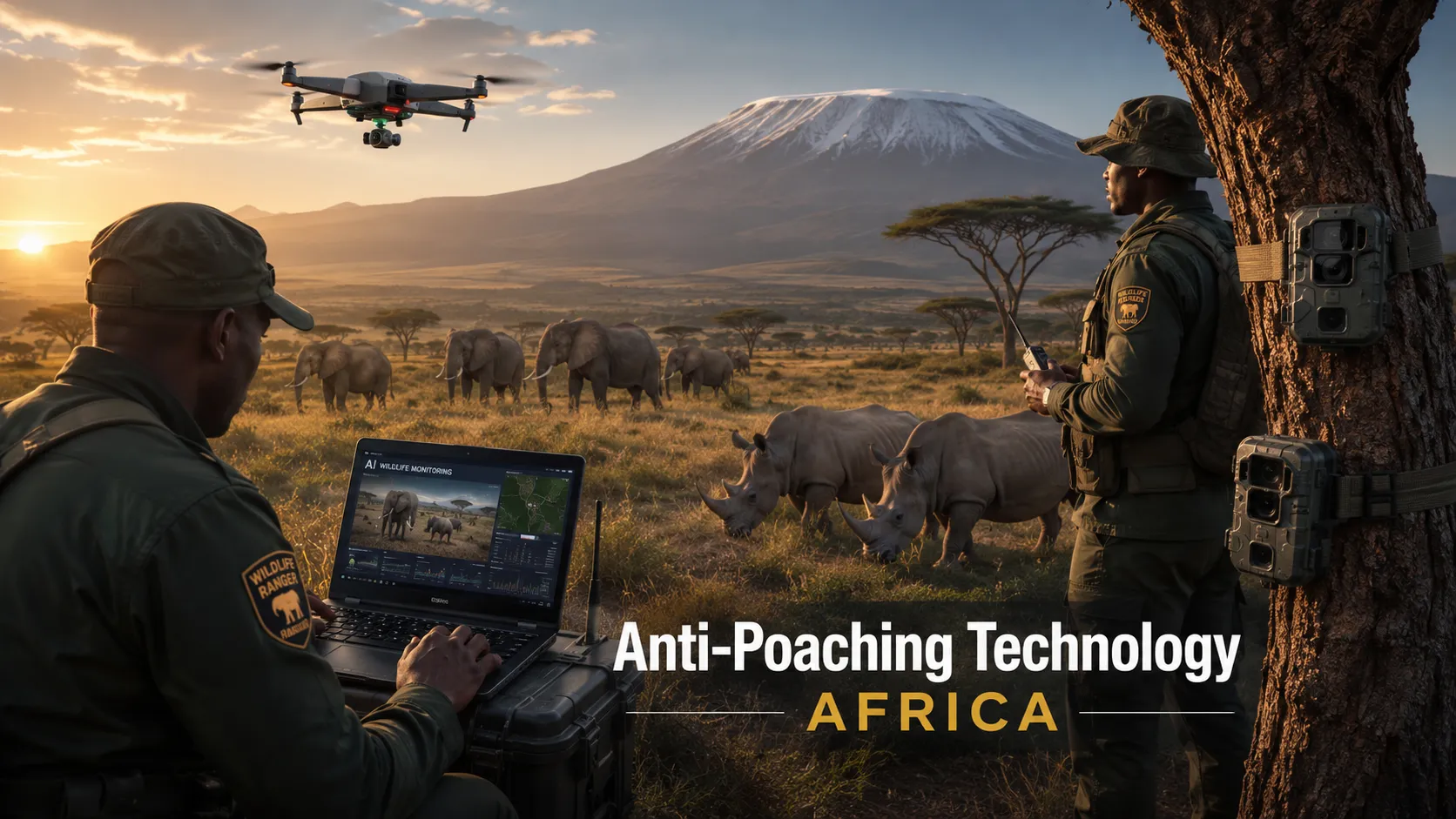
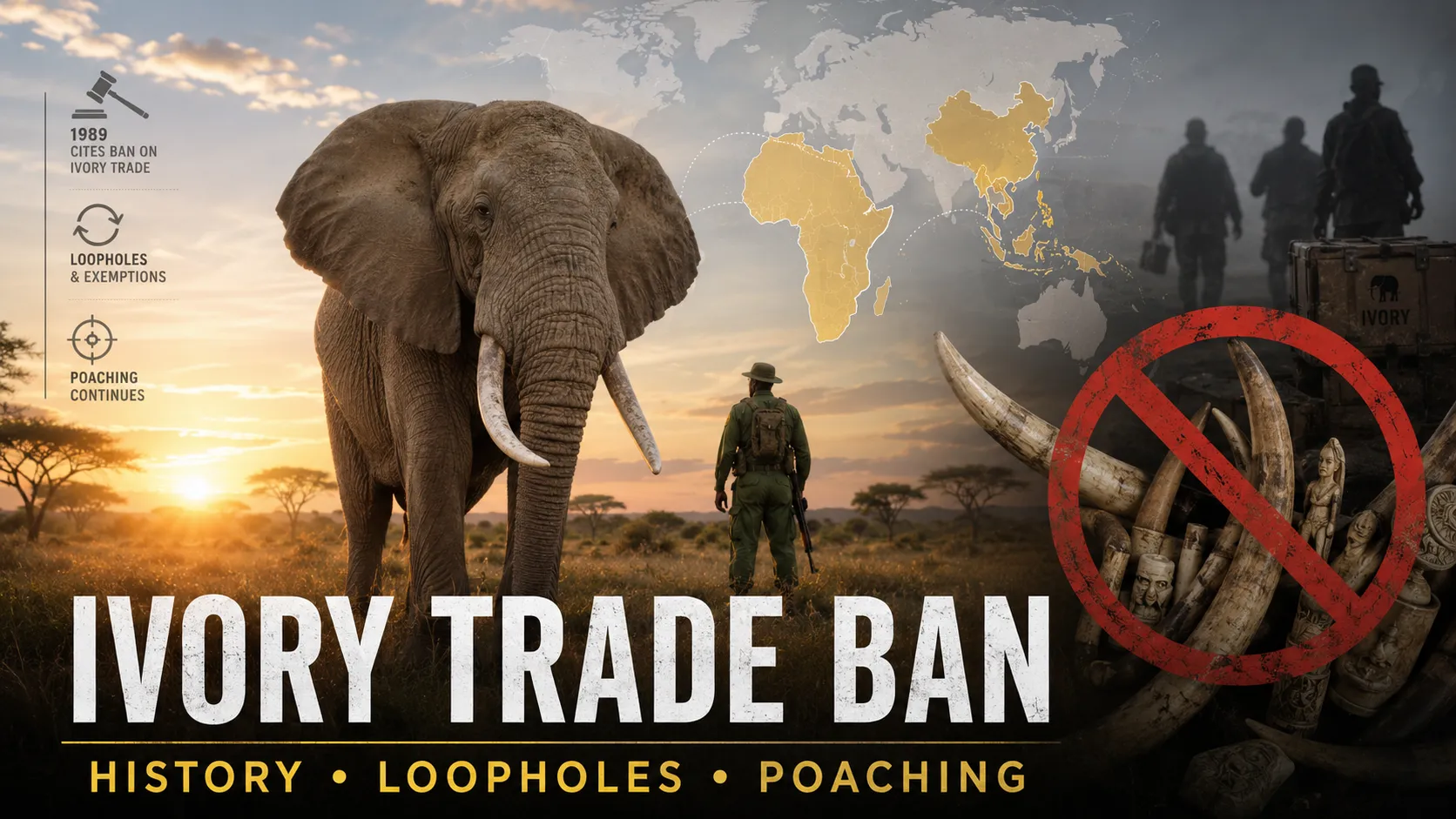
Poaching and illegal wildlife trade continue to threaten many species. Effective law enforcement and ranger programs remain essential for protecting vulnerable populations.
Conservation organizations increasingly work with local communities to address these issues. Education, compensation programs, and sustainable development initiatives can reduce conflict and improve coexistence.
What the Future Holds for Rewilding Africa
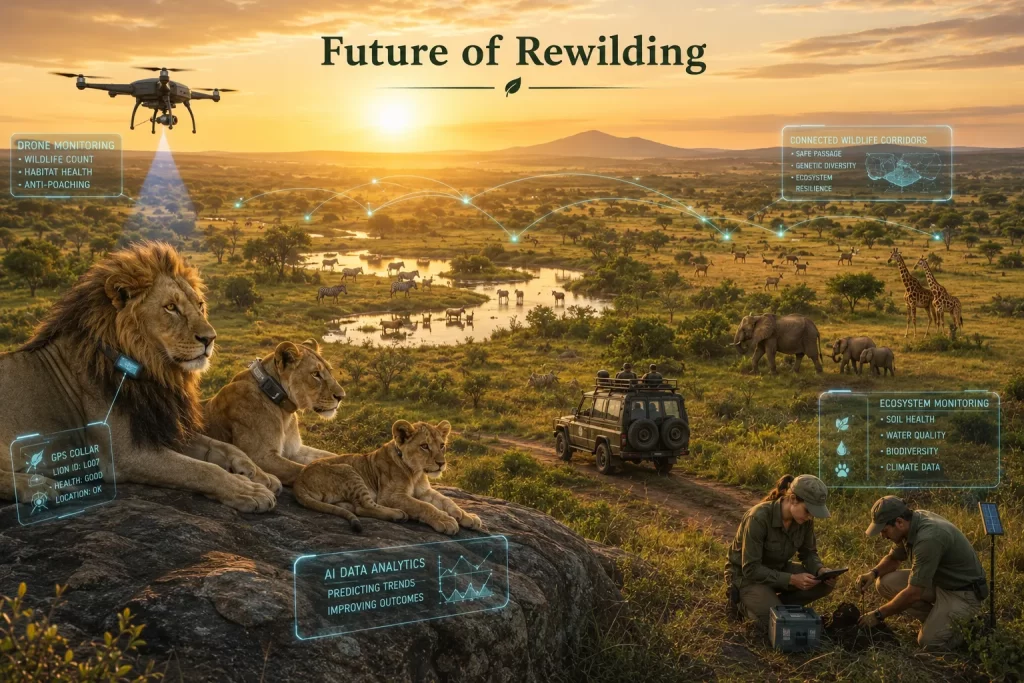
The future of rewilding Africa looks promising. Advances in technology are helping researchers track animals and monitor ecosystems more effectively. Satellite imagery, GPS collars, and drone surveys provide valuable information for conservation planning.
Large-scale landscape conservation is also gaining support. Wildlife corridors and transboundary parks allow species to move across wider areas. These approaches increase resilience and strengthen ecosystems.
Partnerships between governments, scientists, and conservation organizations continue to expand. Their combined efforts offer hope for reversing biodiversity loss and restoring ecological balance.
As restoration projects grow, Africa may become a leading example of how rewilding can rebuild ecosystems and support both people and wildlife.
Conclusion
Rewilding Africa represents one of the most ambitious conservation efforts in the world. By reintroducing predators and restoring habitats, conservationists are helping ecosystems recover naturally. Lions, cheetahs, and other species play essential roles in maintaining ecological balance.
Although challenges remain, successful projects across the continent demonstrate that recovery is possible. Strong partnerships, scientific management, and community support continue to drive progress. As these efforts expand, rewilding Africa offers hope for biodiversity and a healthier future for generations to come.