Table of Contents
Key Takeaways
- Mental toughness is critical for basketball players, especially in high-pressure scenarios.
- Establishing a pre-game routine and practicing mindfulness can aid composure and focus.
- Focusing on self-talk, controllable factors, and building resilience supports sustained growth and performance.
- Reflecting on and learning from adversity can transform setbacks into opportunities.
Understanding Mental Toughness in Basketball
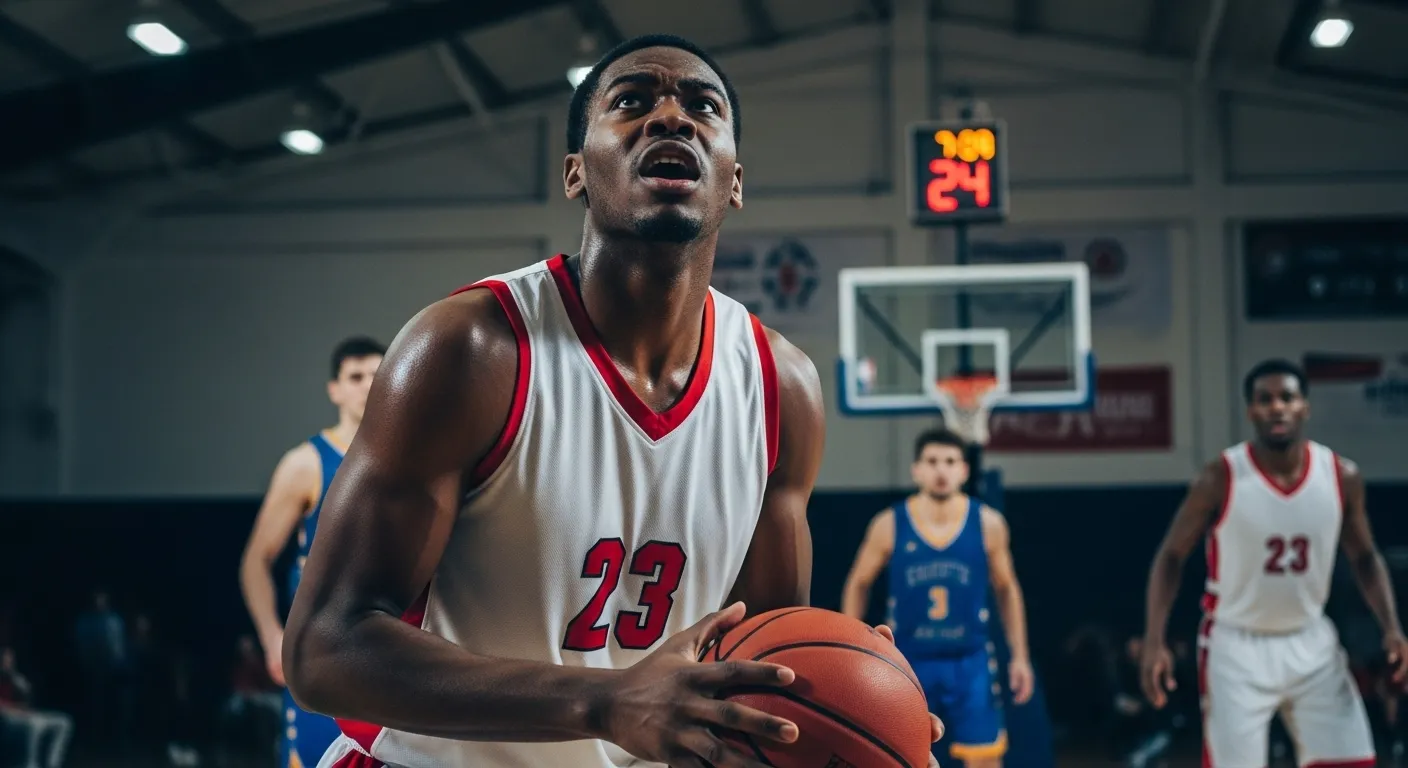
Mental toughness is vital for basketball players who need to perform when it matters most. From the unpredictable pace of play to intense crowd noise, every game serves up moments where composure is tested. Athletes who manage their thoughts and stay focused amid chaos outperform rivals whose confidence fades under pressure.
A strong mind doesn’t just develop overnight. It requires practice, tools, and self-awareness, starting from the earliest stages of training. For those looking to take their game to the next level, incorporating fall basketball training into your routine can provide seasoned players and newcomers with the necessary structure for mental and physical growth.
Developing a Pre-Game Routine
Consistency is crucial when nerves run high before tip-off. Establishing a pre-game routine—such as a set sequence of stretches, warm-ups, or listening to a particular playlist—can help anchor the athlete’s mind, making it easier to switch from daily distractions to competitive readiness. Visualization, or mentally rehearsing key plays and in-game scenarios, is also widely endorsed by sports psychologists as an effective method to prime the mind for competition.
Such habits are especially useful during season crunch times, tournaments, or playoffs, when the stakes are highest. Pre-game rituals are powerful cues that your mind and body can rely on to establish focus and reduce anxiety.
Practicing Mindfulness and Visualization
Mindfulness is the practice of remaining present—fully aware of where and what you’re doing, without becoming overly reactive or overwhelmed. In basketball, this means focusing on the next play rather than past mistakes or an uncertain outcome. Athletes can practice game-day mindfulness through breathing exercises, meditation, or simply anchoring attention in the moment as the action unfolds.

Visualization in Practice
Visualization is equally important. By consistently picturing successful free throws or perfect defensive rotations, players program their minds for confidence and automaticity. Studies indicate that mentally rehearsing specific actions can activate the same neural pathways used during actual play, making high-pressure moments easier to handle when they arrive.
Implementing Positive Self-Talk
Internal dialogue shapes both attitude and results. When negative thoughts creep in—doubts about missing a last-second shot or making a costly turnover—they can erode confidence and cloud judgment. Positive self-talk helps players reframe setbacks and maintain poise: simple affirmations like “I am ready” or “I thrive under pressure” reinforce the athlete’s belief in their training and abilities.
With time, positive self-talk becomes an automatic response, helping players redirect nervous energy into focused action, even when confronted with adversity or an unfriendly crowd.
Focusing on Controllable Factors
Basketball often feels chaotic, and it’s easy for athletes to fixate on things outside their control—referee calls, the opponent’s reputation, or the scoreboard. Mental toughness comes from narrowing focus to the controllable: effort, communication, defensive stance, and hustle. Coaches encourage players to “win the next possession” rather than dwell on results beyond their influence.
Breaking performance into bite-sized, actionable steps helps athletes keep perspective and composure, one play at a time.
Learning from High-Pressure Situations
Every high-pressure moment is a potential lesson, regardless of the outcome. Reflecting after games—individually or as a team—helps identify what worked, what didn’t, and where mental lapses occurred. This reflection hones self-awareness and allows players to develop tailor-made strategies for staying calm and focused next time.
Embracing mistakes as learning opportunities, not failures, fosters a growth mindset. Players gradually strengthen their psychological resilience with each challenge, making future pressure situations less daunting.
Building Resilience Through Adversity
Resilience, the ability to bounce back from setbacks, is the hallmark of a mentally tough athlete. After a tough loss or a personal setback, analyzing performance constructively and seeking feedback from coaches or teammates can turn disappointment into motivation for improvement. Resilient players are characterized by their willingness to confront challenges head-on, maintain a positive outlook, and support their teammates through adversity.
Maintaining Composure Under Pressure
The best basketball players appear calm, poised, and unbothered even when the game hangs in the balance. Regular deep breathing, progressive muscle relaxation, or grounding techniques can retrain the body’s stress response. Athletes who make these tools second nature are better equipped to stay cool, think clearly, and execute effectively when every possession counts.
Developing a toolkit of strategies for composure means athletes are ready for everything—big games, loud gyms, and crunch-time plays.
Final Thoughts
Mental toughness is not exclusive to natural-born leaders or superstars; it is a skill cultivated through routine, reflection, and consistent effort. By prioritizing mindfulness, embracing positive self-talk, focusing on controllable elements, and leveraging experiences for growth, basketball players can elevate their mental game and thrive under pressure—no matter the level of competition.