Table of Contents
The Future of Wildlife depends on the decisions we make in 2026 and beyond. Global biodiversity is declining at historic rates. The International Union for Conservation of Nature reports that over 44,000 species are threatened with extinction as of February 2026. Habitat loss, climate change, pollution, and illegal wildlife trade remain the leading drivers. The Living Planet Index shows an average 69% decline in monitored wildlife populations since 1970.
We now face a turning point. Conservation science has advanced rapidly in the last decade. Satellite monitoring, genetic tools, and AI-based tracking systems help us protect species more precisely. Governments are expanding protected areas under the 30×30 biodiversity target, aiming to conserve 30% of land and oceans by 2030. Yet protected land currently covers about 17% of terrestrial areas and 8% of oceans globally.
The Future of Wildlife will rely on science-based strategies, strong policy, and community involvement. We must act with urgency and precision to secure ecosystems for future generations.
Habitat Protection and Restoration
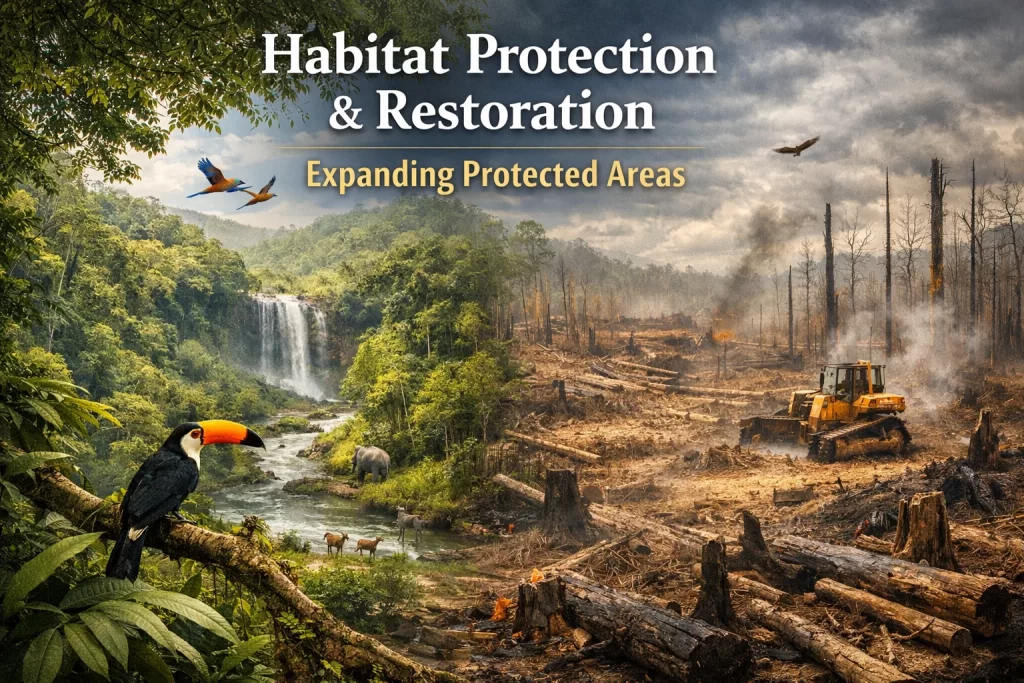
Expanding Protected Areas
Habitat protection remains the backbone of the Future of Wildlife. Deforestation continues at alarming levels. The FAO reports that the world loses about 10 million hectares of forest annually. This loss directly impacts species survival and ecosystem stability.
Protected areas reduce extinction risk significantly. According to Conservation Science and Practice (2025), species inside well-managed reserves show 30% higher population stability. However, only about 17% of land is formally protected worldwide. The 30×30 framework aims to close that gap by 2030.
Strong enforcement and ecological connectivity matter as much as expansion. Protected areas must connect through wildlife corridors to allow safe migration. Fragmented landscapes weaken biodiversity resilience. Habitat fragmentation remains a critical issue. Learn about the impact of fences on elephant migration and genetic health.
Large-Scale Restoration Efforts
Restoration is now central to the Future of Wildlife. The UN Decade on Ecosystem Restoration continues through 2030. As of 2026, over 115 countries have pledged restoration commitments.
Successful projects show measurable results. In Brazil, restored Atlantic Forest areas increased bird diversity by 15% within five years. In Kenya, degraded rangeland recovery improved herbivore density by 18%. These numbers prove restoration works when guided by data.
Restoration must prioritize native species and local participation. Without community support, projects fail long-term. Effective restoration strengthens both biodiversity and local livelihoods.
Climate Change and Adaptive Conservation
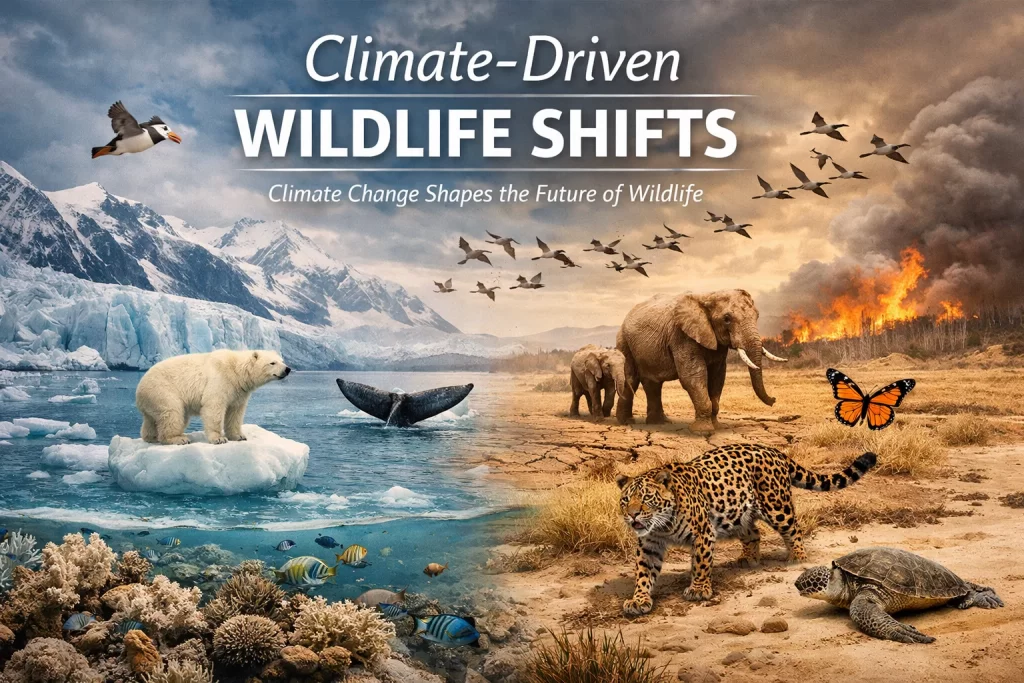
Climate-Driven Wildlife Shifts
Climate change shapes the Future of Wildlife more than any other factor. Global temperatures are now 1.2°C above pre-industrial levels, according to the World Meteorological Organization in 2026. Rising temperatures alter migration, breeding, and feeding patterns.
Polar species lose habitat due to melting ice. Coral reefs face mass bleaching events. In 2025, over 70% of monitored reef systems experienced thermal stress alerts.
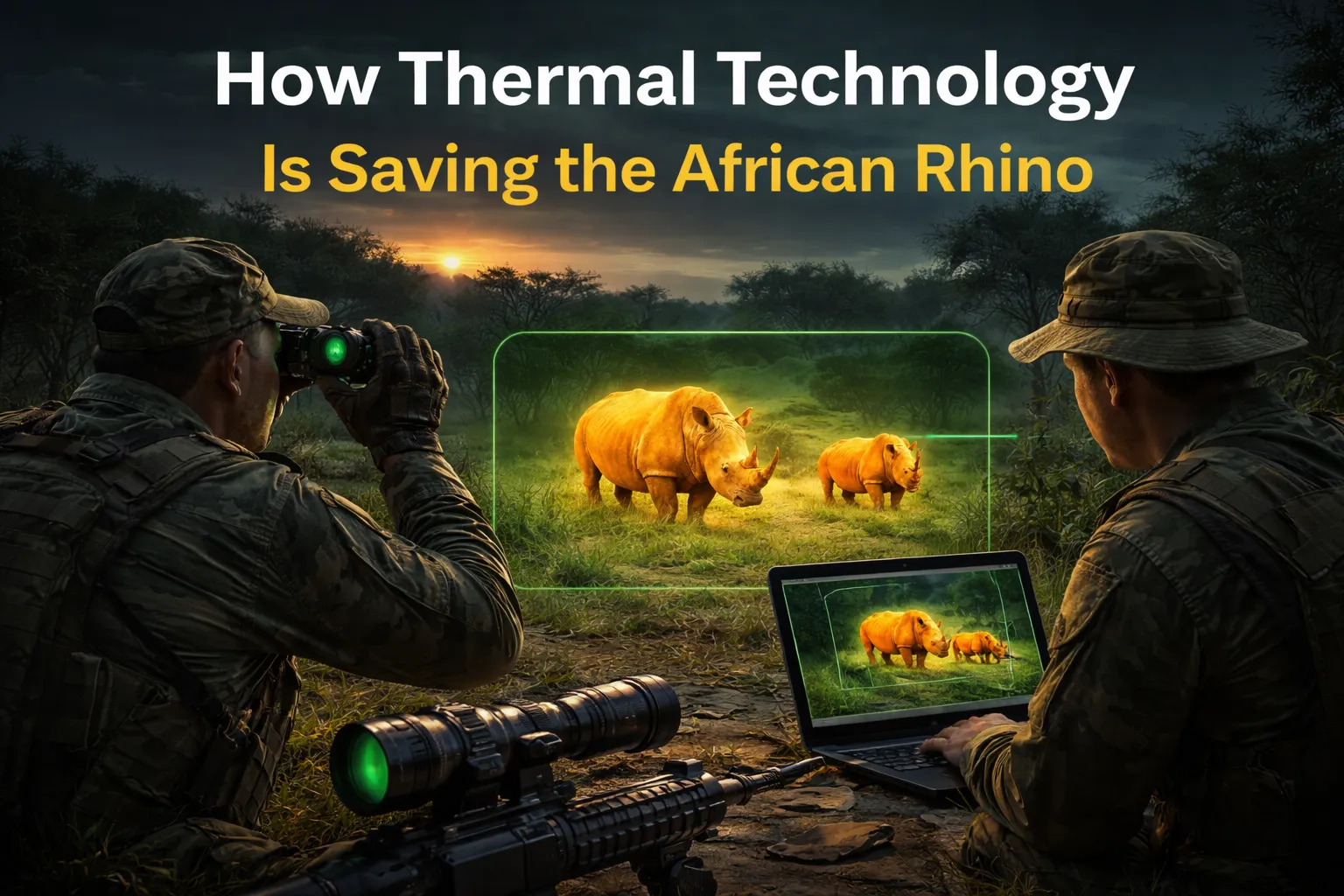
Species must adapt or move. Conservation plans now include climate corridors to enable safe range shifts. Without adaptive planning, extinction risks will accelerate sharply. Technology is transforming conservation. Discover how thermal technology is saving the African Rhino.
Climate-Smart Conservation Tools
Technology strengthens the Future of Wildlife response to climate threats. Satellite imagery tracks deforestation in real time. AI-powered acoustic sensors detect poaching and rare species presence.
Genetic monitoring identifies vulnerable populations. For example, genome sequencing improved breeding success rates of endangered amphibians by 22% in controlled programs.
Climate-smart conservation integrates forecasting models. Managers now predict habitat suitability changes decades ahead. This approach prevents reactive management and supports proactive protection.
Community-Based Conservation and Indigenous Leadership
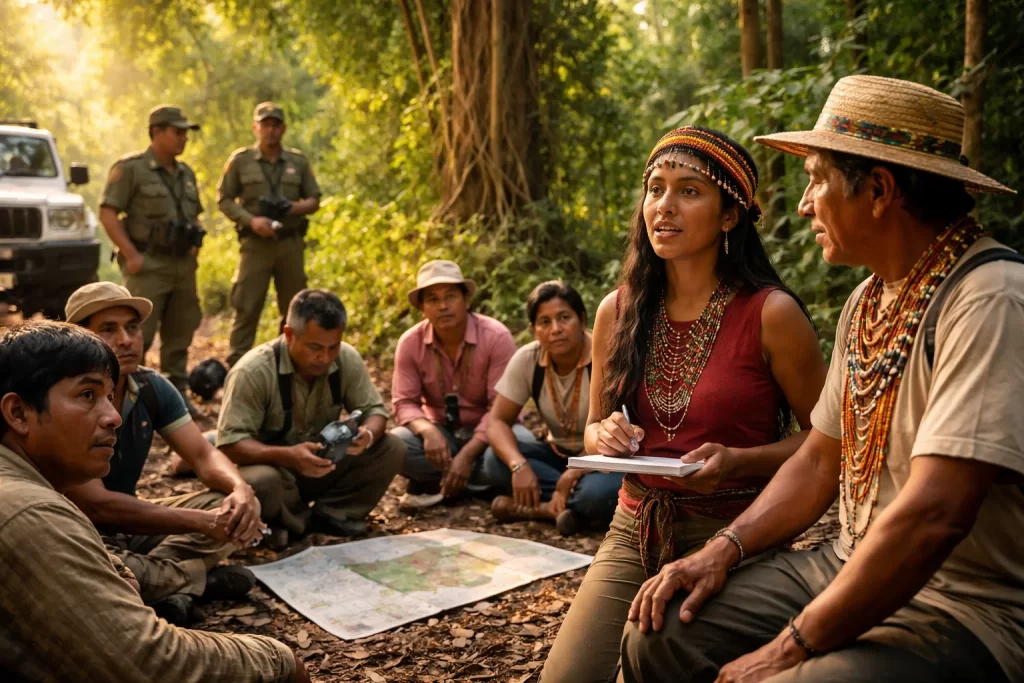
Empowering Local Communities
Local communities define the Future of Wildlife on the ground. Studies show that Indigenous-managed lands often contain equal or greater biodiversity than formal protected areas.
In Australia, Indigenous Protected Areas cover over 87 million hectares as of 2026. Wildlife monitoring reports stable populations of key marsupials. Community-based anti-poaching programs in Namibia reduced elephant poaching by over 60% since 2016.
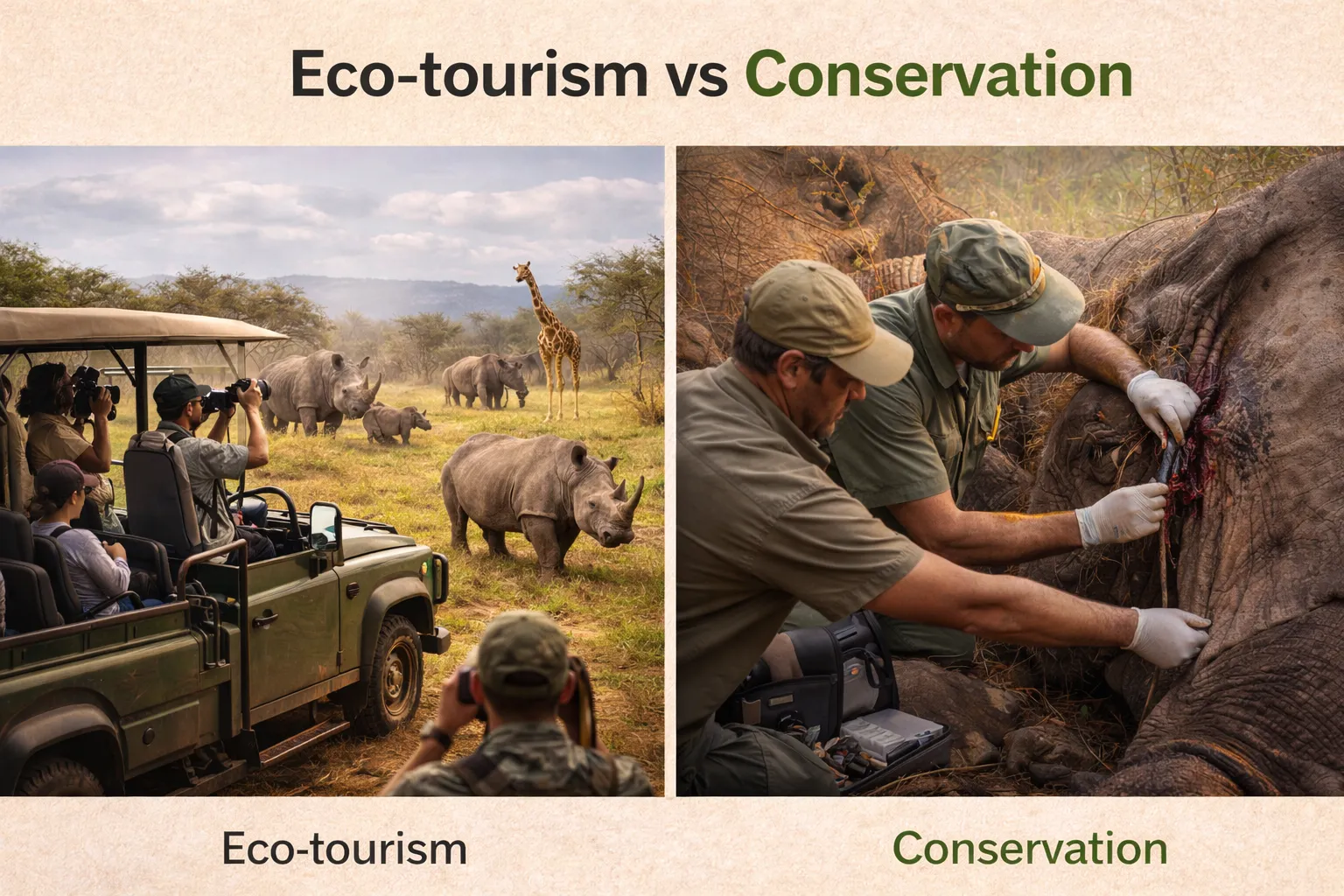
When communities gain economic benefits from conservation, wildlife thrives. Ecotourism, sustainable harvesting, and conservation jobs create incentives for long-term protection. Tourism plays a growing role in protection efforts. Explore eco-tourism vs conservation at Elephant Sands.
Policy and Governance Strengthening
Effective governance shapes the Future of Wildlife globally. The Convention on Biological Diversity’s 2022 Kunming-Montreal Framework remains active in 2026. Countries submit national biodiversity plans with measurable targets.
Strong laws must pair with enforcement capacity. Illegal wildlife trade still generates billions annually. Transparent governance reduces corruption and improves conservation outcomes.
Technology, Data, and Monitoring
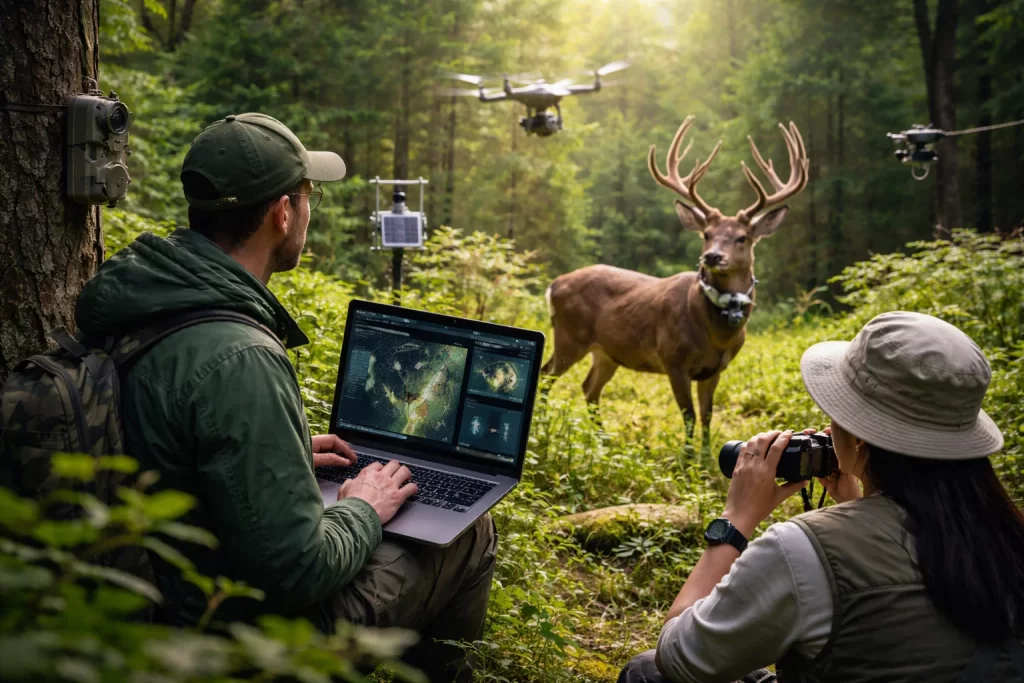
Real-Time Wildlife Monitoring
Technology transforms the Future of Wildlife by improving monitoring accuracy. GPS collars now provide hourly location data. Drones monitor remote reserves efficiently.
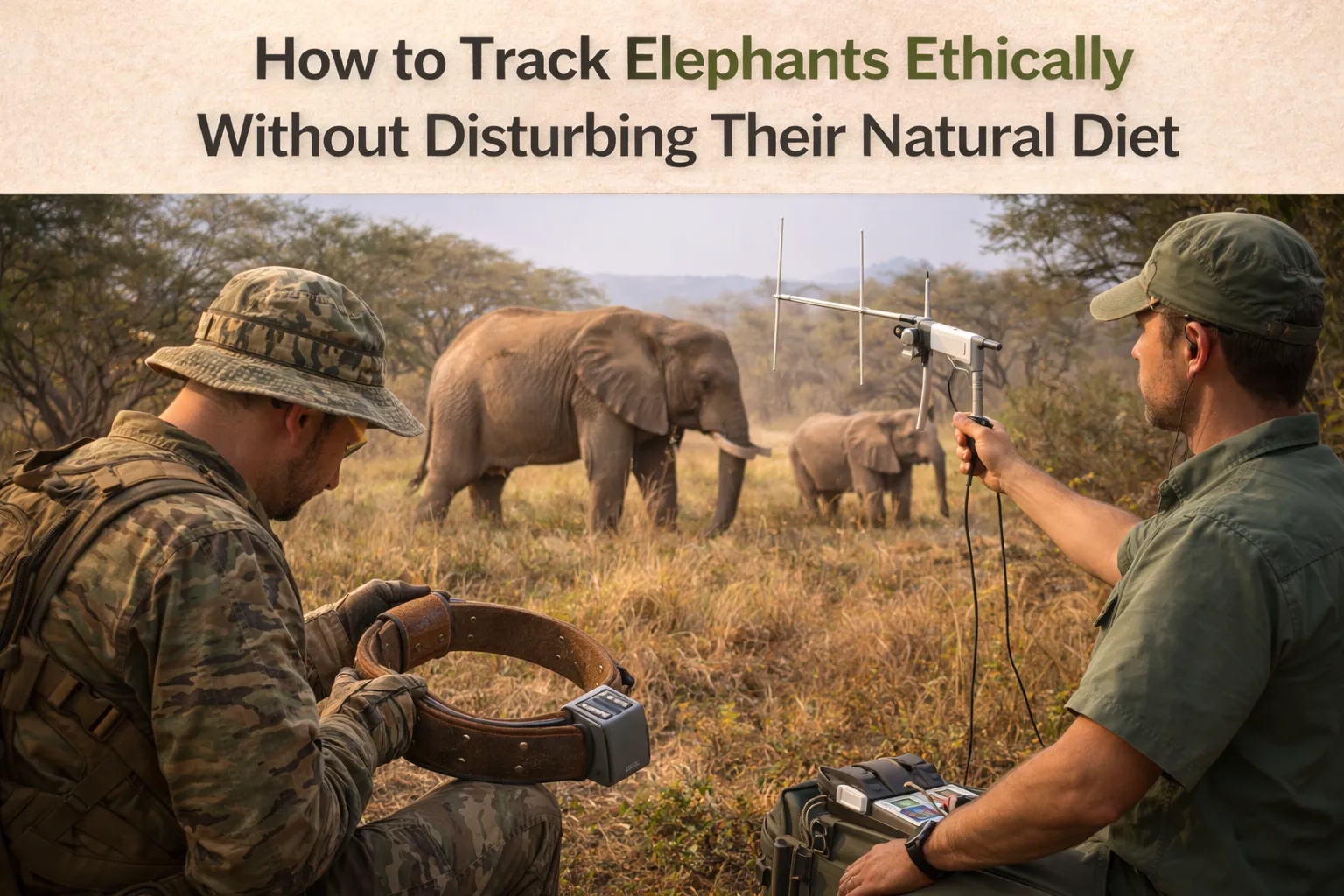
In 2025, AI-powered image recognition reduced species misidentification rates by 35% compared to manual surveys. Real-time alerts allow faster response to threats. Ethical monitoring is essential for modern wildlife research. Read about how to track elephants without disturbing their natural diet.
Data Snapshot: Wildlife Conservation in 2026
| Indicator | 2026 Data |
|---|---|
| Threatened species (IUCN) | 44,000+ |
| Global forest loss annually | 10 million hectares |
| Protected land globally | 17% |
| Protected oceans globally | 8% |
| Average wildlife population decline since 1970 | 69% |
| Global temperature rise | 1.2°C |
These figures show both urgency and opportunity. Clear metrics guide future conservation planning.
Key Strategies for the Future of Wildlife
- Expand protected areas to meet the 30% target by 2030.
- Restore degraded ecosystems with native species.
- Integrate climate forecasts into conservation planning.
- Support Indigenous-led conservation models.
- Strengthen anti-poaching enforcement using AI tools.
- Improve international cooperation on biodiversity goals.
Translocation is reshaping population recovery. See examples of successful elephant relocation programs in Southern Africa.
Bottom Line
The Future of Wildlife is not predetermined. It depends on science, policy, and community action working together. Data from 2026 shows both decline and progress. Wildlife populations continue to face pressure, yet conservation tools are stronger than ever.
We must expand protected habitats, restore ecosystems, and integrate climate adaptation into every plan. Technology gives us precision, but human commitment ensures success. Governments, researchers, and communities all play essential roles.