Table of Contents
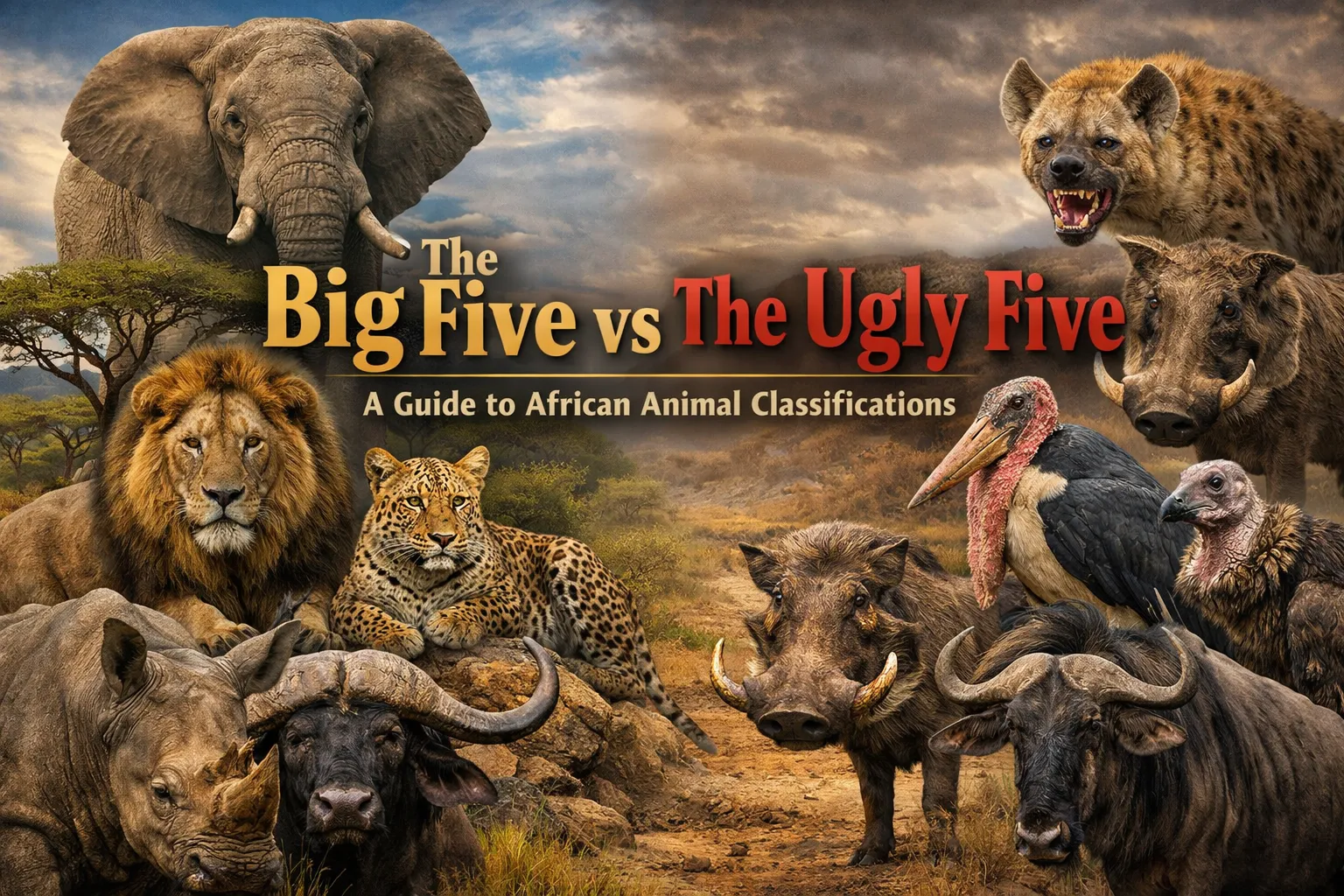
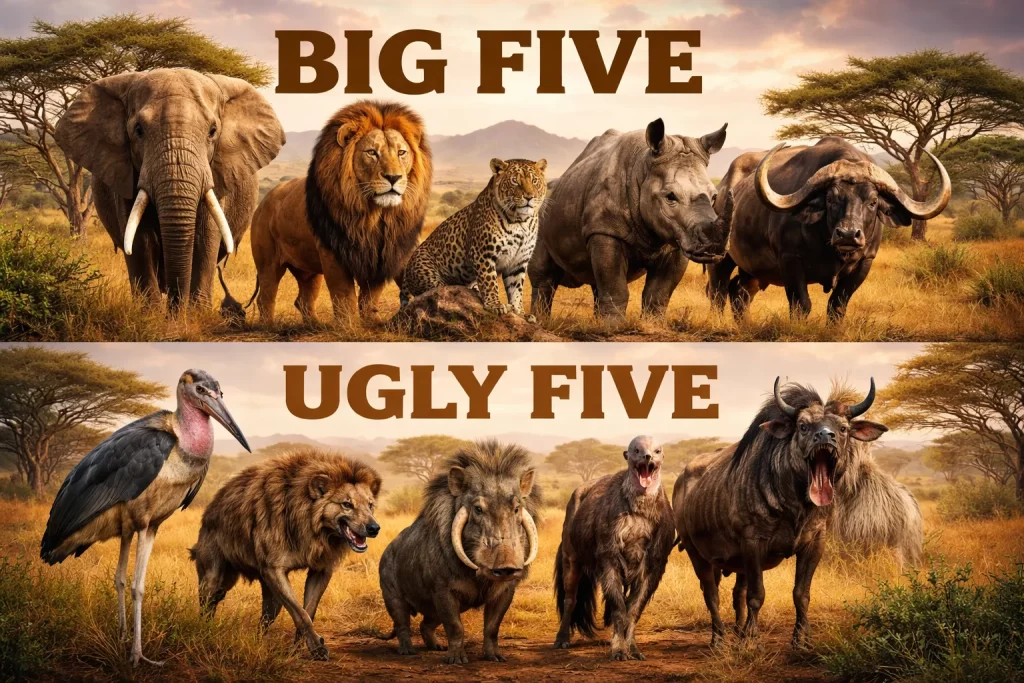
The Big Five vs The Ugly Five is one of the most fascinating wildlife contrasts in Africa. These two animal groupings highlight beauty, power, survival, and perception in the wild. The Big Five includes the lion, leopard, elephant, rhino, and buffalo. Big-game hunters first coined the term in the late 1800s. Today, photographers chase them instead.
Africa covers 30.37 million square kilometers and holds over 1,100 mammal species. Safari tourism generated more than $34 billion across Africa in 2025, according to UN Tourism data. The Big Five drive most of that interest. Yet, the Ugly Five remind us that survival matters more than looks.
In this guide, we explain the origins, species lists, conservation data, and ecological roles behind The Big Five vs The Ugly Five. By the end, you will understand why both groups deserve equal respect in Africa’s ecosystems.
What Is The Big Five?
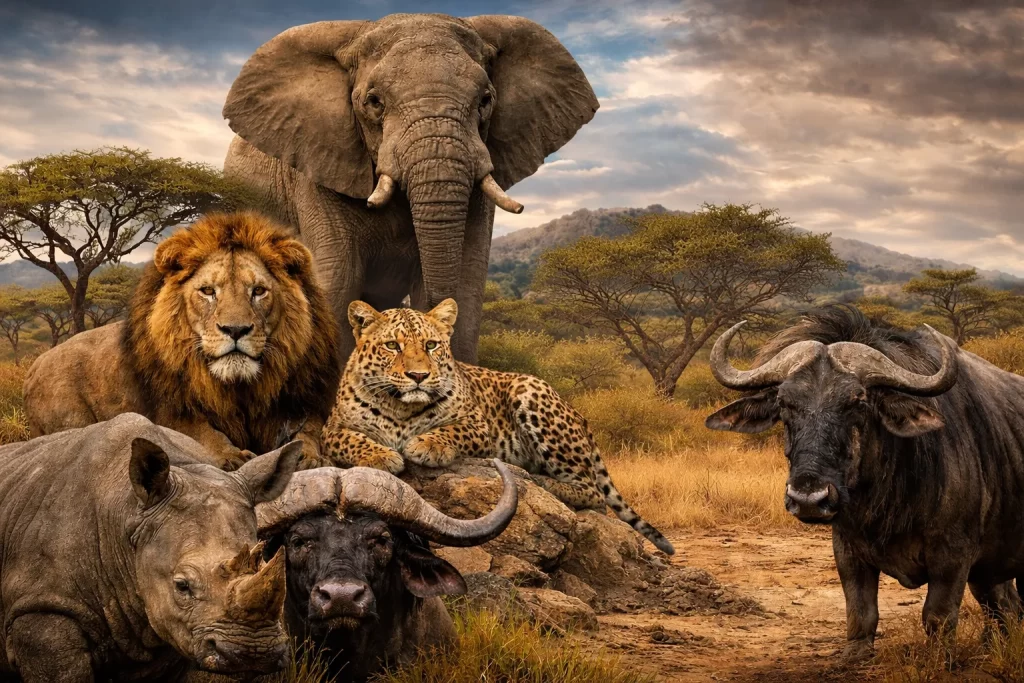
Origin of the Term
The Big Five refers to Africa’s five most dangerous animals to hunt on foot. The list includes:
- Lion
- Leopard
- Elephant
- Rhinoceros
- Buffalo
Hunters created the label during the colonial era. Today, conservationists use it for tourism and education. The meaning shifted from hunting difficulty to photographic prestige. This shift reflects modern wildlife ethics.
Species Overview and Data
Here is a data snapshot as of 2026:
| Animal | Estimated Wild Population (2026) | IUCN Status (2026) | Average Weight |
|---|---|---|---|
| African Lion | 23,000 | Vulnerable | 330–550 lbs |
| African Elephant | 415,000 | Endangered | 6,000–13,000 lbs |
| Black Rhino | 6,487 | Critically Endangered | 1,760–3,080 lbs |
| African Buffalo | 400,000+ | Near Threatened | 1,100–2,000 lbs |
| Leopard | 250,000 | Vulnerable | 66–200 lbs |
Population data comes from IUCN Red List updates available at iucnredlist.org as of February 2026.
The Big Five represent power and ecological dominance. However, several face severe poaching pressure and habitat loss. Conservation programs now prioritize anti-poaching patrols and habitat corridors. These efforts show measurable progress, especially for black rhinos.
The Big Five remain icons, but their survival depends on policy and protection.
What Is The Ugly Five?
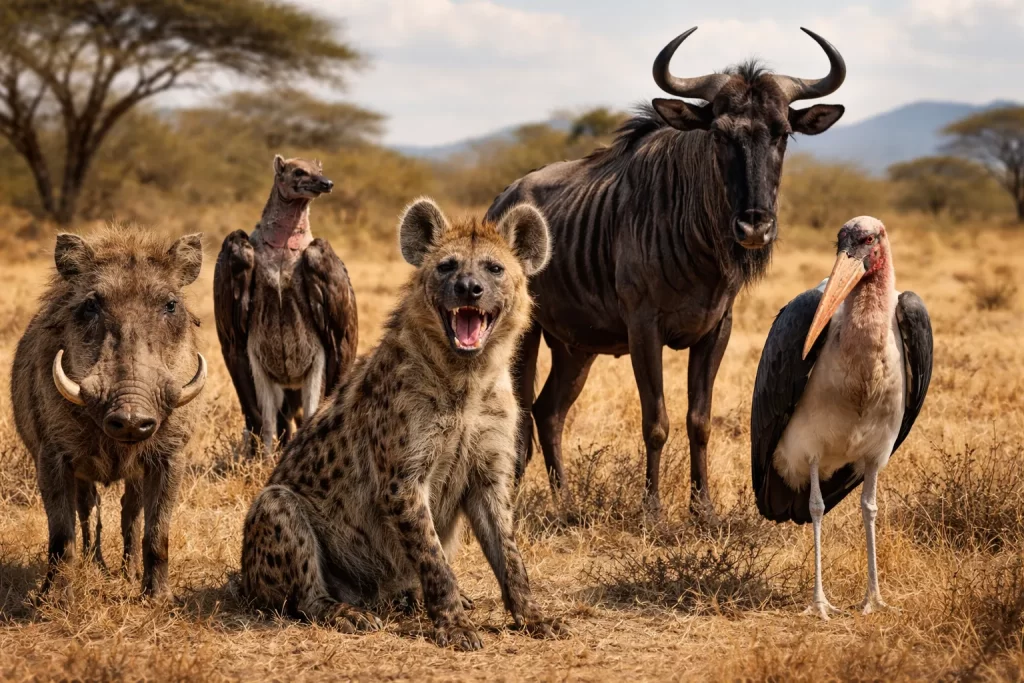
Why “Ugly” Is Misleading
The Ugly Five includes:
- Warthog
- Hyena
- Vulture
- Marabou stork
- Wildebeest
Safari guides created this playful term to balance the Big Five vs The Ugly Five narrative. These animals lack conventional beauty. Yet, they perform essential ecological roles.
Hyenas have bite forces of 1,100 PSI, stronger than lions. Vultures can detect carcasses from over 4 miles away. Wildebeest migrate 1,800 miles annually across the Serengeti-Mara ecosystem. These facts challenge the “ugly” label.
Ecological Importance
The Ugly Five function as nature’s cleanup and survival specialists.
- Vultures prevent disease by consuming carcasses rapidly.
- Hyenas control herbivore populations.
- Wildebeest fertilize grasslands during migration.
- Warthogs aerate soil while digging.
- Marabou storks remove organic waste.
Africa hosts 11 vulture species, and 6 are critically endangered in 2026. Poisoning incidents declined 12% in East Africa between 2023 and 2025, according to BirdLife International at birdlife.org.
The Ugly Five sustain ecosystem balance. Without them, disease and imbalance would spread quickly.
The Big Five vs The Ugly Five: Key Differences
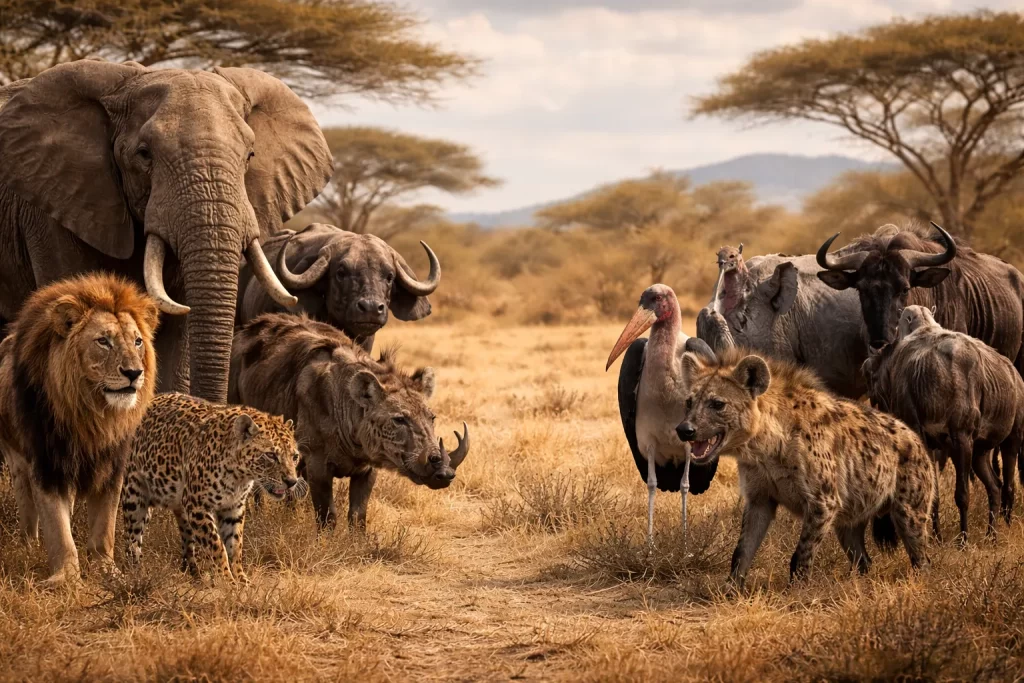
Perception vs Ecological Reality
The Big Five vs The Ugly Five comparison reveals how humans judge wildlife. One group symbolizes majesty. The other represents resilience.
The Big Five dominate tourism marketing. Over 70% of first-time safari visitors list them as top priorities. Meanwhile, guides increasingly highlight the Ugly Five for storytelling value. This shift improves awareness.
Physical Traits and Behavior
| Category | The Big Five | The Ugly Five |
|---|---|---|
| Size | Large megafauna | Medium to large |
| Public Appeal | High | Moderate |
| Ecological Role | Apex predators & mega herbivores | Scavengers & grazers |
| Tourism Demand | Extremely high | Growing |
The Big Five often occupy top predator or megaherbivore roles. The Ugly Five focus on recycling nutrients and maintaining balance. Both groups are essential in African ecosystems.
Conservation Status in 2026
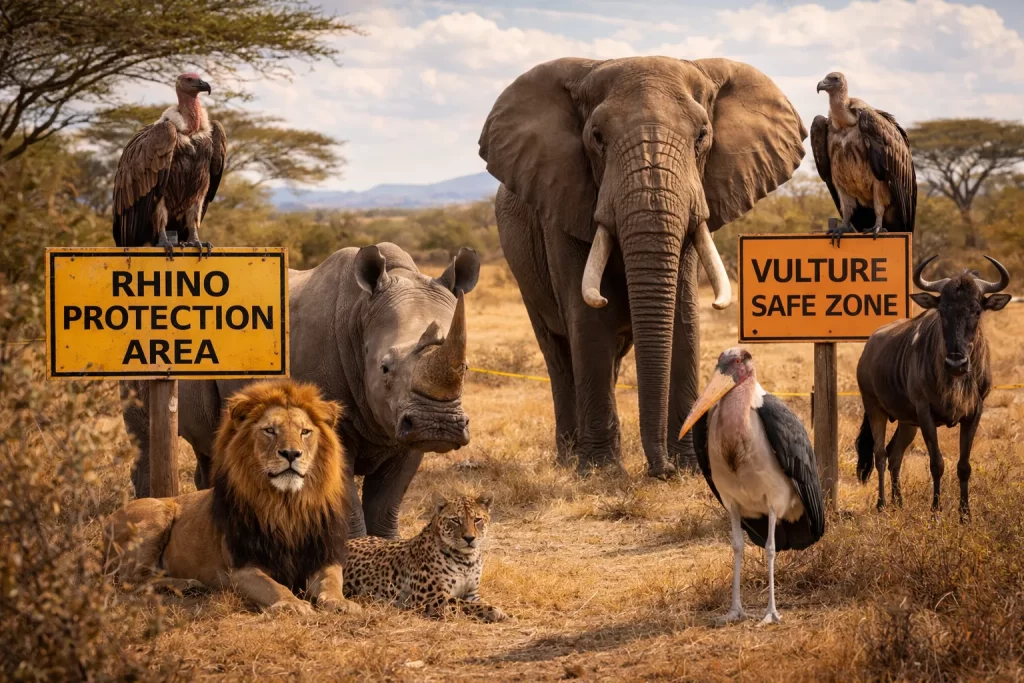
Current Protection Efforts
Conservation programs continue expanding across Africa.
- Rhino poaching declined 18% in South Africa in 2025.
- Kenya reported zero elephant poaching cases in 2024 within major parks.
- Vulture safe zones expanded by 25% in Botswana since 2023.
Data from savetherhino.org confirms black rhino numbers increased from 2,410 in 1995 to 6,487 in 2026.
Community-based tourism now supports over 500,000 jobs across Africa. These initiatives link wildlife survival with local income.
The Bigger Picture
The Big Five vs The Ugly Five debate highlights conservation bias. Charismatic species attract funding. Scavengers often struggle for attention.
However, ecosystem science confirms that all species contribute measurable value. Protecting one group without the other weakens the system.
Balanced conservation remains the only sustainable solution.
Why This Classification Still Matters
Tourism and Education Impact
Safari marketing still relies heavily on the Big Five vs The Ugly Five narrative. It simplifies wildlife for global audiences. That simplicity drives curiosity and bookings.
However, modern guides now explain ecological relationships instead of trophy status. This shift changes how visitors perceive wildlife.
Cultural Significance
The Big Five remain deeply tied to African identity and tourism history. The Ugly Five reflect humor and humility in nature storytelling.
Both classifications help visitors remember species more easily. When used responsibly, they support education and conservation funding.
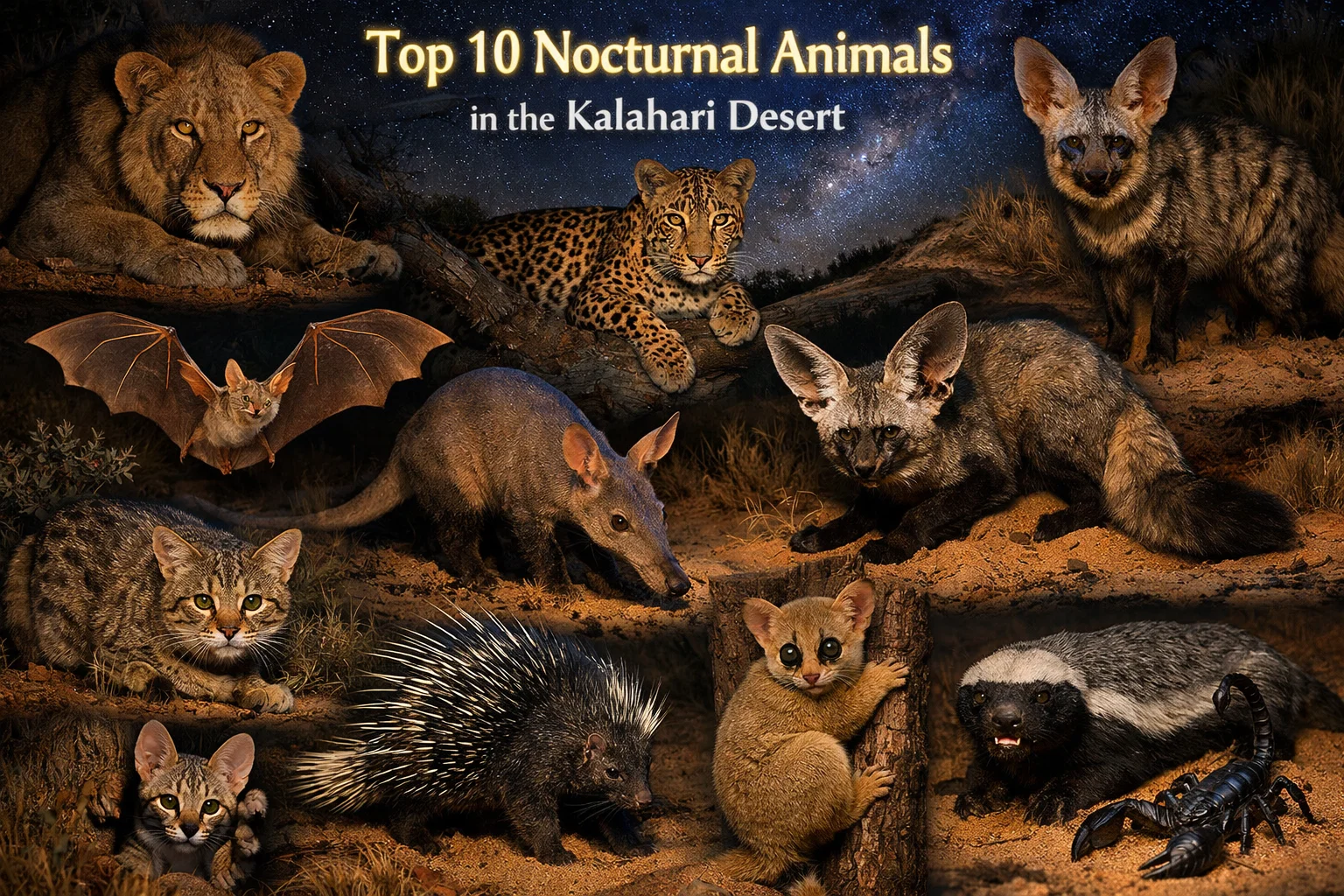
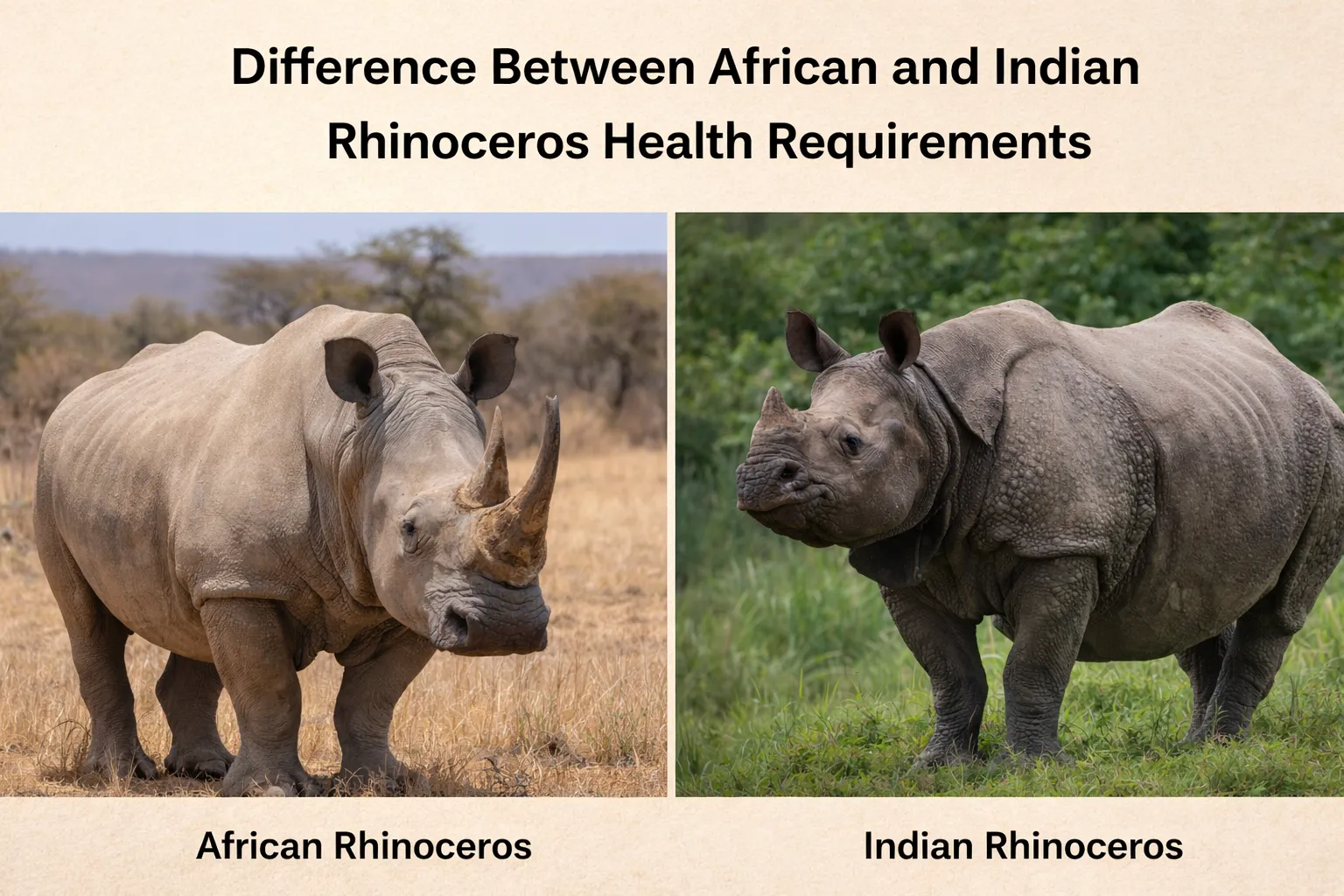
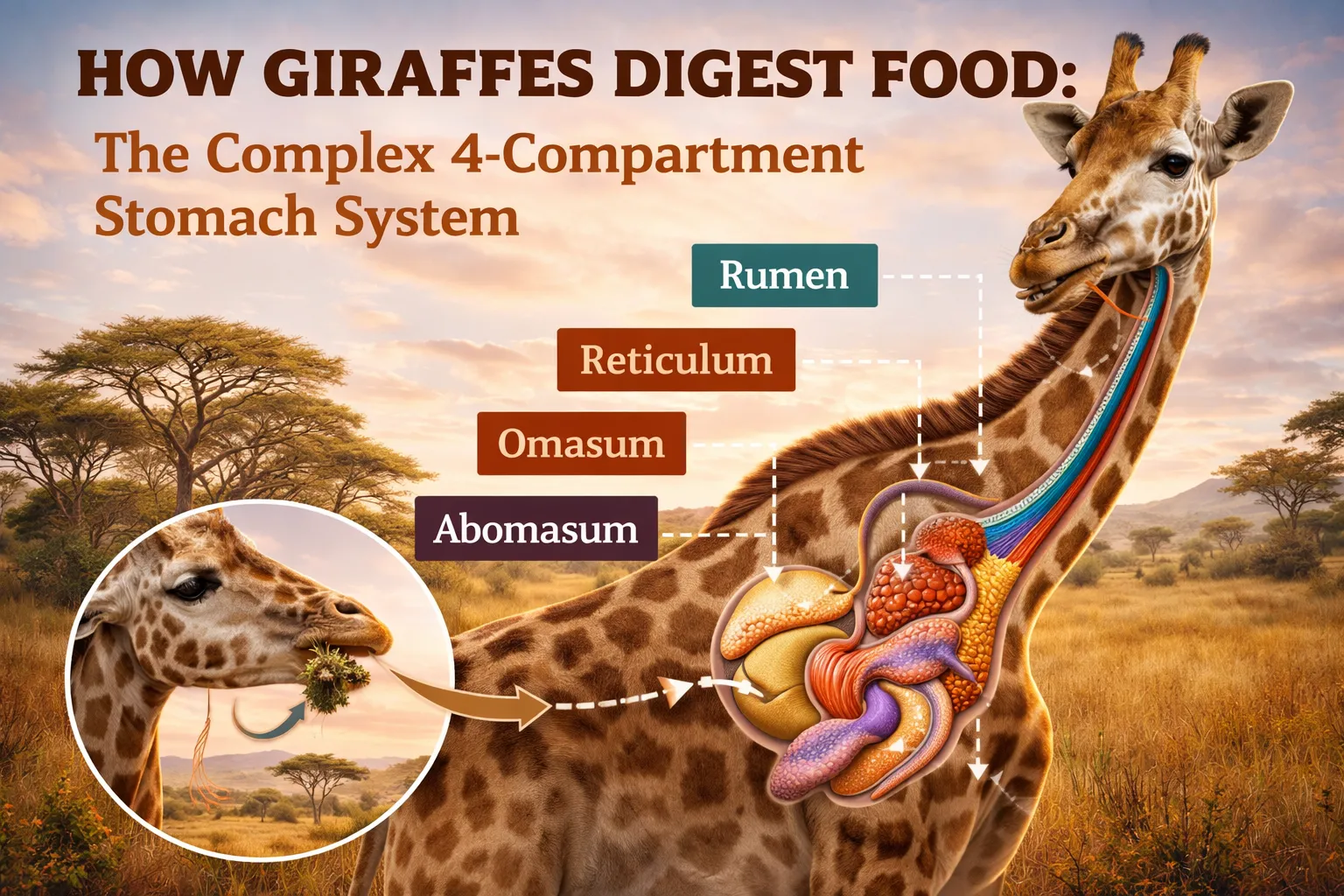
Explore each species in more detail: learn about giraffe digestion, compare rhino vs elephant skin, understand vulture scavenger immunity, discover Kalahari nocturnal animals, and see the African vs Indian rhino health differences.
Bottom Line
The Big Five vs The Ugly Five tells a powerful story about perception and purpose in Africa’s ecosystems. The Big Five capture attention with strength and rarity. The Ugly Five quietly protect landscapes through scavenging and migration.
In 2026, conservation science makes one fact clear. Every species plays a measurable ecological role. Tourism trends now reflect this understanding. Education-focused safaris continue rising across East and Southern Africa.
FAQs
Why were the Big Five originally named?
Hunters named them for being the hardest animals to hunt on foot.
Are the Ugly Five endangered?
Several, especially vultures, were critically endangered in 2026.
Which country is best for seeing the Big Five?
Kenya, Tanzania, Botswana, and South Africa offer strong sightings.
Do the Ugly Five support ecosystems?
Yes. They prevent disease, recycle nutrients, and stabilize habitats.
Is The Big Five vs The Ugly Five still relevant today?
Yes. It helps educate travelers about wildlife diversity and conservation.