As the lush grasslands of the savanna wither under the sun, the dietary strategy of the African and Asian elephant undergoes a radical transformation. During the wet season, elephants are primarily grazers, with grass making up nearly 70% of their intake. However, to maintain their massive caloric requirements during periods of drought, they must pivot to a specialized “browser” survival model.
Adapting to Scarcity: What Do Elephants Eat in the Dry Season?
When surface water vanishes and C4 grasses become indigestible stalks of fiber, elephants transition to woody vegetation and underground storage organs. This seasonal shift is not just a change in preference, but a biological necessity driven by the need for protein and essential minerals like calcium.
According to a study published in Scientific Reports (Nature), elephants adapt their movement patterns specifically to search for essential minerals like phosphorus and nitrogen, which become scarce during the brown season.
The dry season diet typically consists of:
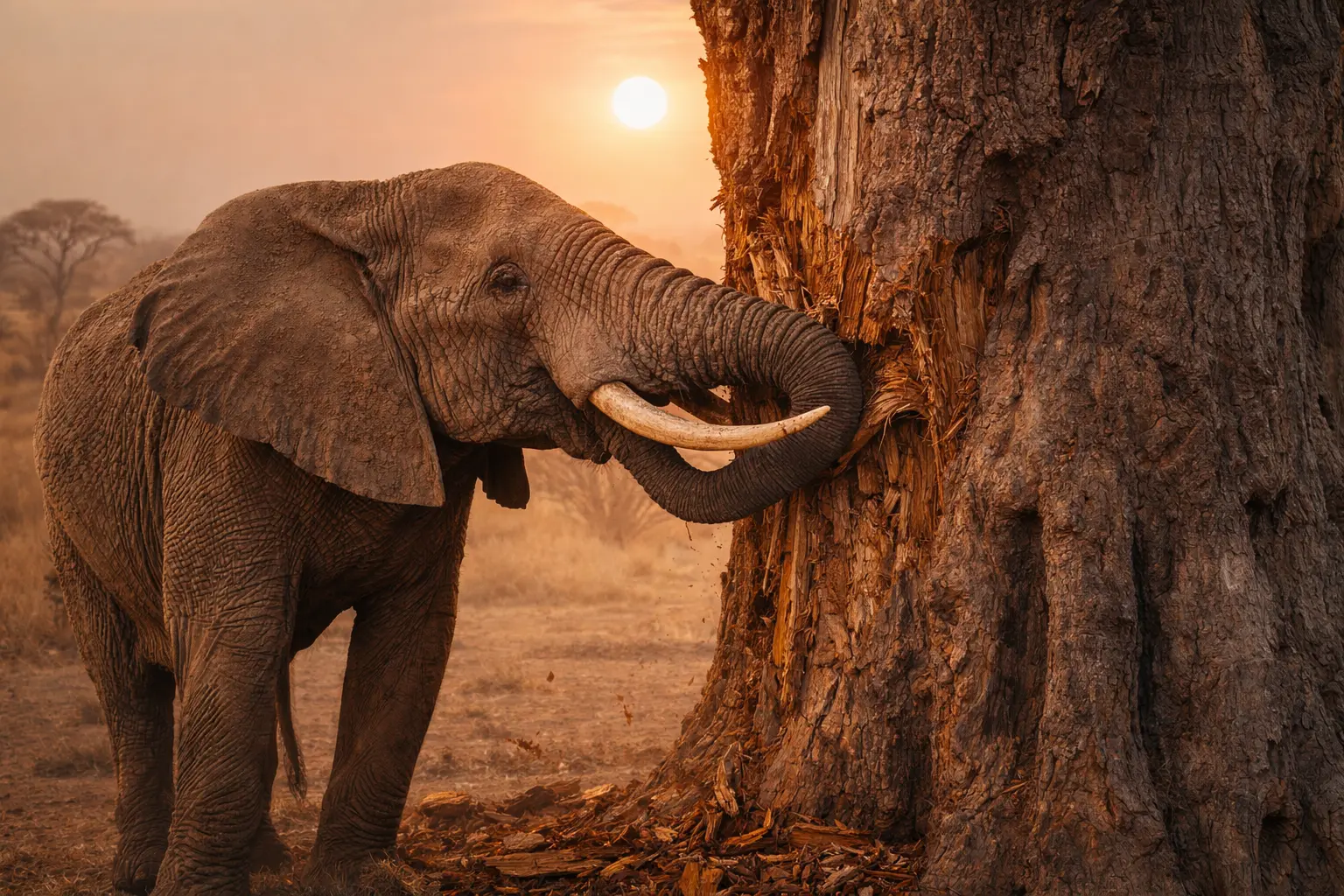
- Tree Bark: High in calcium and roughage, bark provides critical nutrients when foliage is scarce.
- Roots and Tubers: Using their powerful trunks and feet, elephants dig for moisture-rich roots, which act as “water bottles” during extreme heat.
- Woody Browse: Thorns, twigs, and small branches become a staple, despite the high handling time required.
- Soil (Geophagy): To supplement the lack of mineral diversity in dry plants, elephants often ingest mineral-rich soil.
Visual Guide: Feeding on Woody Biomass
The following video demonstrates the dexterity and strength required for an elephant to strip bark—a primary source of nutrients when ground-level forage is unavailable.
The Nutritional Challenge of the “Brown Season”
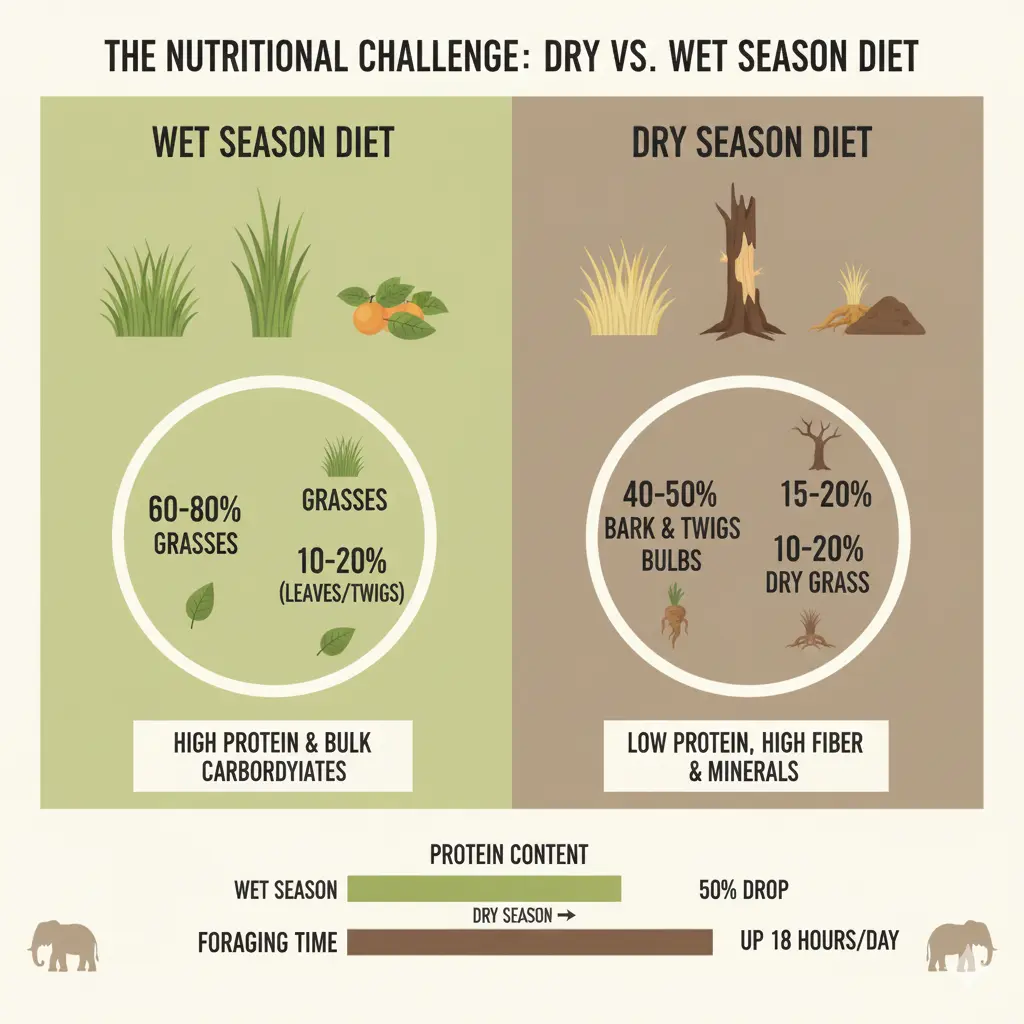
Research indicates that the protein content in an elephant’s diet can drop by 50% during the dry months. Recent findings from the Royal Society suggest that while browse (leaves and twigs) is essential, it may not always be more nutritious than grass; elephants likely transition to it out of ecological necessity.
| Food Category | Wet Season Proportion | Dry Season Proportion | Key Nutrient Provided |
| Grasses | 60–80% | 10–20% | Bulk Carbohydrates |
| Bark & Twigs | < 10% | 40–50% | Calcium & Fiber |
| Roots/Bulbs | Rare | 15–20% | Starch & Hydration |
Metabolic Impact and Health
The shift in what elephants eat in the dry season also affects their gut microbiome. The fermentation process for woody browse is slower than that of fresh grass, meaning elephants must spend up to 18 hours a day feeding just to maintain their body condition.
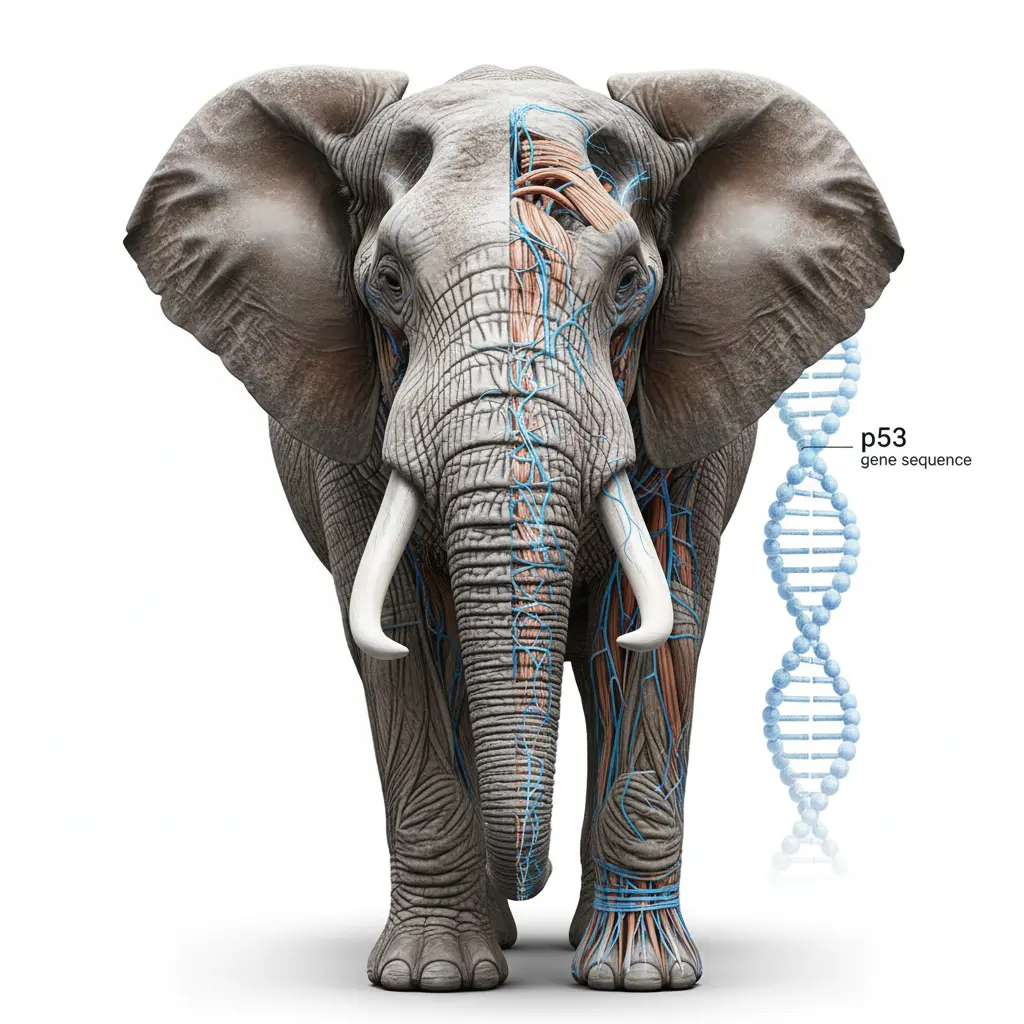
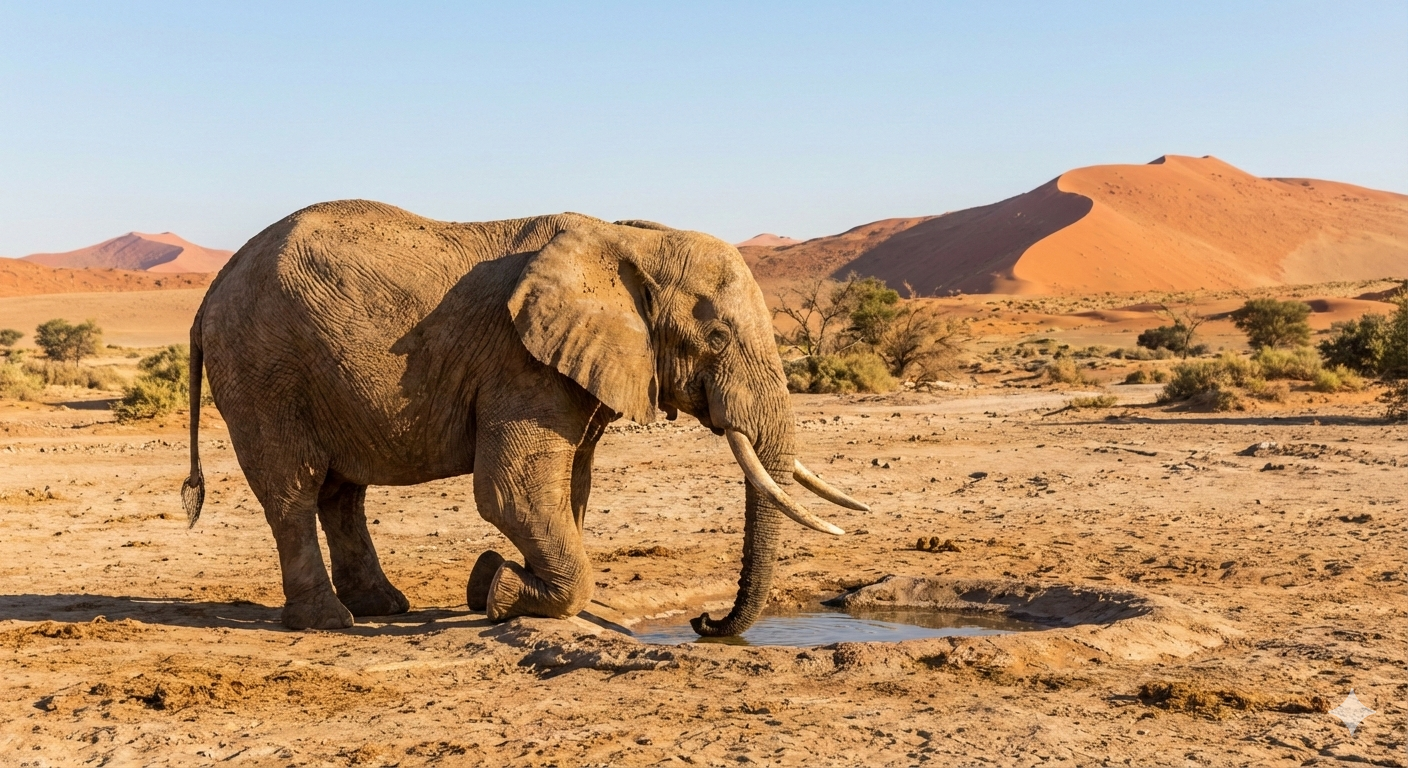
Because of the high fiber content in this dry forage, understanding elephant trunk anatomy is vital, as the 40,000 muscles of the trunk are put to extreme work stripping bark and uprooting tubers. Furthermore, as forage dries out, the question of how much water a desert elephant drinks becomes a matter of life or death, as they must often travel vast distances between these dry food sources and the nearest water hole.
For more details on species-specific dietary variations, refer to The Definitive Guide to Elephant Species.