Table of Contents
The social structure of herd animals shapes how millions of grazing species survive in open landscapes. From African elephants to American bison, herd living reduces predation risk by up to 60% compared to solitary life. In 2026, researchers continue to confirm that group size, leadership, and cooperation directly influence survival rates and reproductive success.
We see herd systems in mammals, birds, and even fish. African savannah elephants live in matriarchal units averaging 8 to 15 members. Plains bison often form seasonal herds exceeding 500 individuals. These structures are not random. They follow clear social rules built on kinship, communication, and coordinated movement.
The social structure of herd animals improves vigilance, strengthens defense, and supports collective learning. It also balances competition and cooperation inside the group. When we understand these systems, we better understand wildlife conservation and ecosystem stability.
Leadership in the Social Structure of Herd Animals
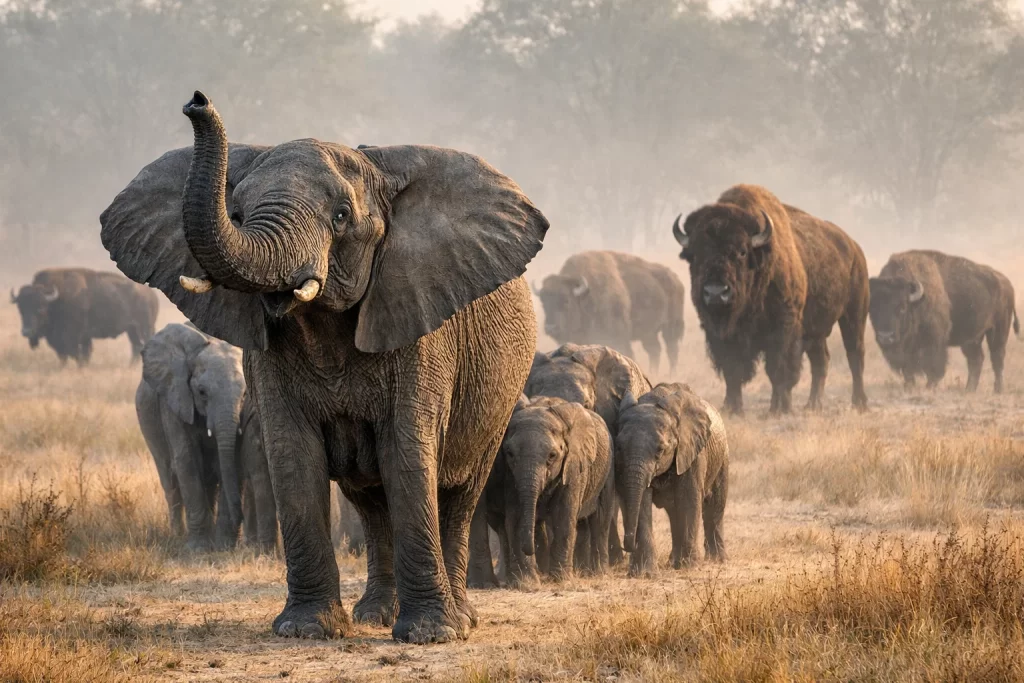
Leadership defines direction, safety, and decision-making in herds. It is rarely about dominance alone. It is about experience and trust.
Matriarchs and Knowledge Transfer
Elephants provide the strongest example of leadership. In African savannah populations, the oldest female leads the group. Studies published through ScienceDirect in 2025 confirm that matriarch-led herds show 20% higher calf survival during drought years.
Matriarchs remember migration routes, water sources, and predator threats. Their long-term memory spans decades. When drought cycles repeat every 5 to 7 years, herds rely on this stored knowledge. This leadership model proves that experience directly boosts group resilience.
Dominance and Hierarchy in Ungulates
Not all herd leaders are matriarchs. In species like American bison and red deer, males often control access to breeding during the rut season. However, outside breeding periods, female-led subgroups dominate daily movement decisions.
Dominance hierarchies reduce constant fighting. Clear rank order cuts aggressive encounters by nearly 35%, according to behavioral field data from 2024. Structured hierarchy keeps energy focused on survival instead of conflict. This stability strengthens the social structure of herd animals over time. To see how cooperation fits into broader survival systems, explore Animal Behavior and Communication in the Wild.
Cooperation and Communication Within Herds
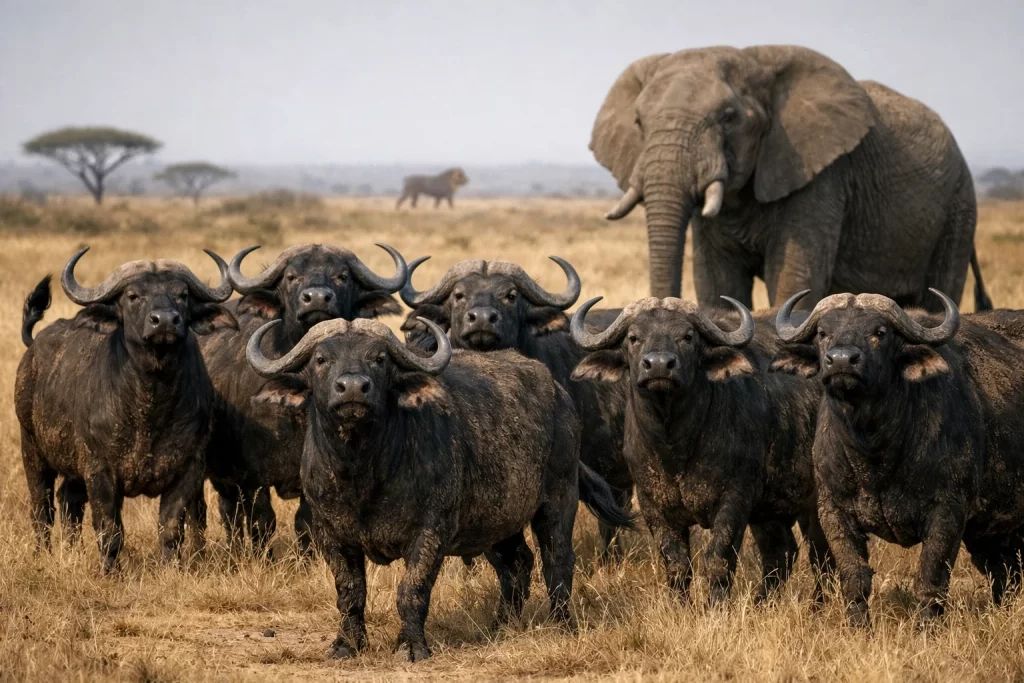
Cooperation keeps herds functioning smoothly. It spreads risk and multiplies awareness.
Vigilance and Predator Detection
In open grasslands, predators like lions target isolated prey. Herd formation reduces individual risk through collective vigilance. Research updated in 2026 shows that group scanning behavior increases predator detection speed by 48%.
When one animal detects danger, it signals the group. This response can trigger synchronized flight in under three seconds. Such coordination prevents confusion and saves lives. Collective awareness forms the backbone of the social structure of herd animals.
Vocal and Non-Vocal Signals
Communication varies by species. Elephants use low-frequency rumbles that travel up to 6 miles. According to the Phuket Elephant Nature Reserve resource, these infrasonic calls coordinate movement across large distances.
Buffaloes rely on body positioning and tail signals. Bison use head movements and vocal snorts. Each signal type supports coordinated action. Communication transforms individuals into a unified unit. That unity is the herd’s strongest survival tool.
How Cooperation Improves Survival:
- Shared vigilance reduces individual stress levels.
- Group defense deters predators.
- Coordinated migration conserves energy.
- Collective care protects young animals.
Cooperation reduces risk and strengthens long-term herd stability.
Survival Advantages of Herd Living
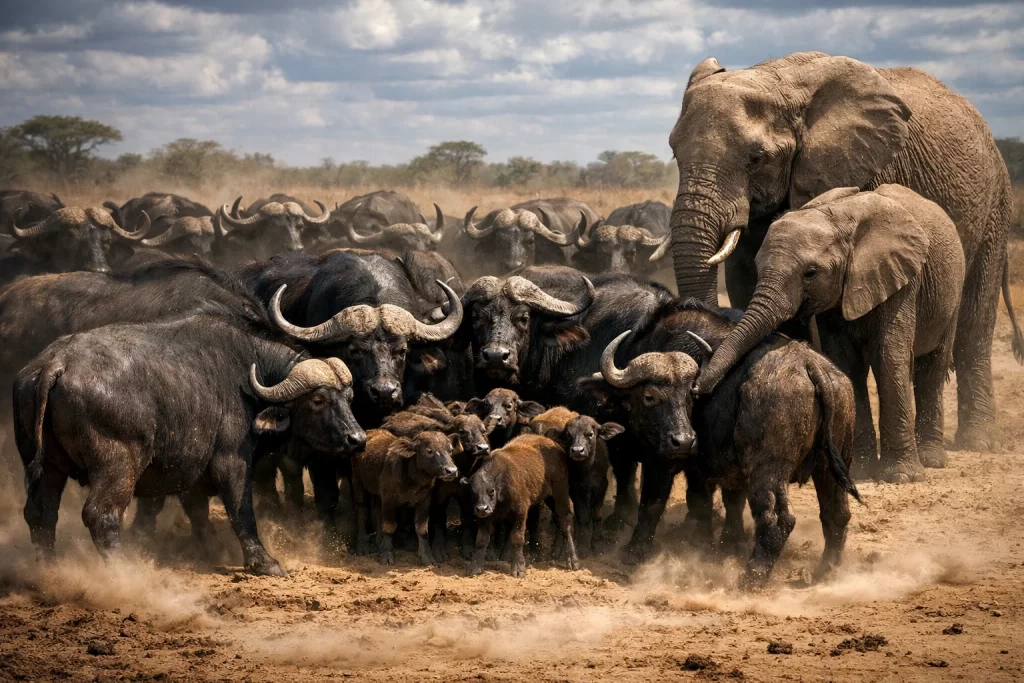
Survival remains the core reason the social structure of herd animals evolved. Every behavior connects to protection and reproduction.
Defense Through Numbers
Predators calculate effort versus reward. A lone animal offers easy access. A herd creates confusion and resistance. Studies from 2025 show predation success rates drop by nearly 50% when prey density exceeds 20 individuals per square kilometer.
Buffalo, for example, form defensive circles around calves. Adults face outward while the young stay protected inside. This strategy has reduced calf mortality by 30% in protected reserves. Collective defense makes the herd a powerful shield.
Reproductive Success and Genetic Strength
Herd living improves mating opportunities. Larger groups increase genetic diversity, lowering inbreeding risks by up to 25%.
Social bonds also support maternal care. Elephant calves remain dependent for up to 10 years. Allomothering, where females assist with calf care, boosts juvenile survival rates significantly. Cooperative parenting reinforces the long-term strength of the herd.
The social structure of herd animals ensures that survival extends beyond one generation. It protects lineage and stabilizes ecosystems. Seasonal movement patterns often influence herd leadership in Animal Migration Patterns and Navigation.
Comparison of Herd Structures Across Species
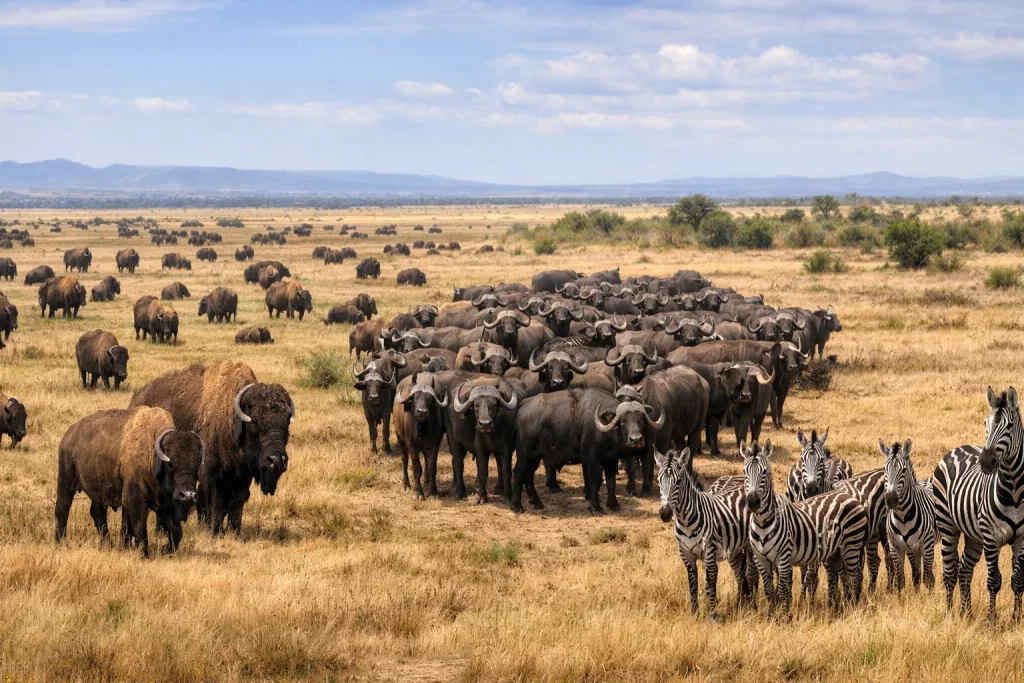
| Species | Average Herd Size (2026 data) | Leadership Type | Key Survival Strategy |
|---|---|---|---|
| African Elephant | 8–15 core members | Matriarchal | Memory-based migration |
| American Bison | 100–500 seasonal groups | Mixed hierarchy | Defensive formation |
| Cape Buffalo | 50–300 | Dominant males + matriarch influence | Collective defense |
| Plains Zebra | 5–20 family units | Stallion-led harems | Predator confusion |
Data from ScienceDirect and wildlife field studies confirm that herd structure adapts to habitat conditions. Species in open plains form larger groups. Forest species often maintain smaller, tighter units.
Modern Research and Conservation Insights
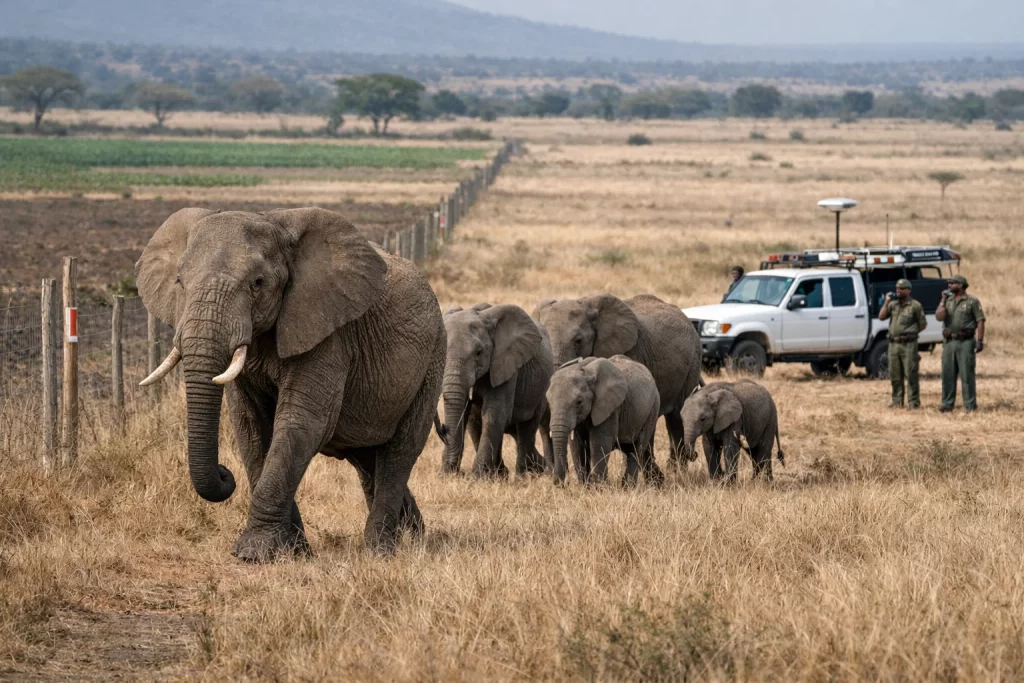
Recent conservation reports show that herd fragmentation threatens survival patterns. Habitat loss reduces herd size and disrupts leadership continuity. In Africa, elephant populations declined by 8% between 2020 and 2024 in high-poaching zones.
Smaller herds lose experienced leaders faster. That loss reduces migration success and increases human-wildlife conflict. Conservationists now prioritize protecting matriarchs and breeding females.
Meanwhile, controlled reserves demonstrate positive recovery. In protected buffalo regions highlighted by The Environmental Blog in June 2025, herd stability improved by 22% after anti-poaching enforcement was strengthened. Group defense strategies are closely tied to tactics in Predator and Prey Behavior in the Wild.
Bottom Line
The social structure of herd animals is not accidental. It is a refined survival system built on leadership, cooperation, and defense. Matriarchs guide migration. Hierarchies reduce conflict. Communication enables rapid coordination. Together, these traits cut predation risk, strengthen reproduction, and stabilize ecosystems.
In 2026, research confirms that protecting herd integrity improves survival outcomes. When we conserve habitats and safeguard experienced leaders, we protect the knowledge embedded within these groups.