Table of Contents
Predator and prey behavior in the wild shapes every ecosystem on Earth. From Arctic tundra to African savannah, survival depends on speed, stealth, and strategy. As of 2026, ecologists estimate that predators influence up to 75% of prey population dynamics in large terrestrial systems. This influence goes beyond hunting. It changes movement, feeding patterns, and even reproduction rates.
We now understand that predator and prey behavior in the wild is not random. It follows measurable patterns supported by GPS tracking, drone monitoring, and long-term ecological studies. For example, research published in 2026 shows prey reduce feeding time by up to 30% when predator scent is present. That single adjustment can lower body weight and reproductive success.
Hunting Strategies That Define Predator Success
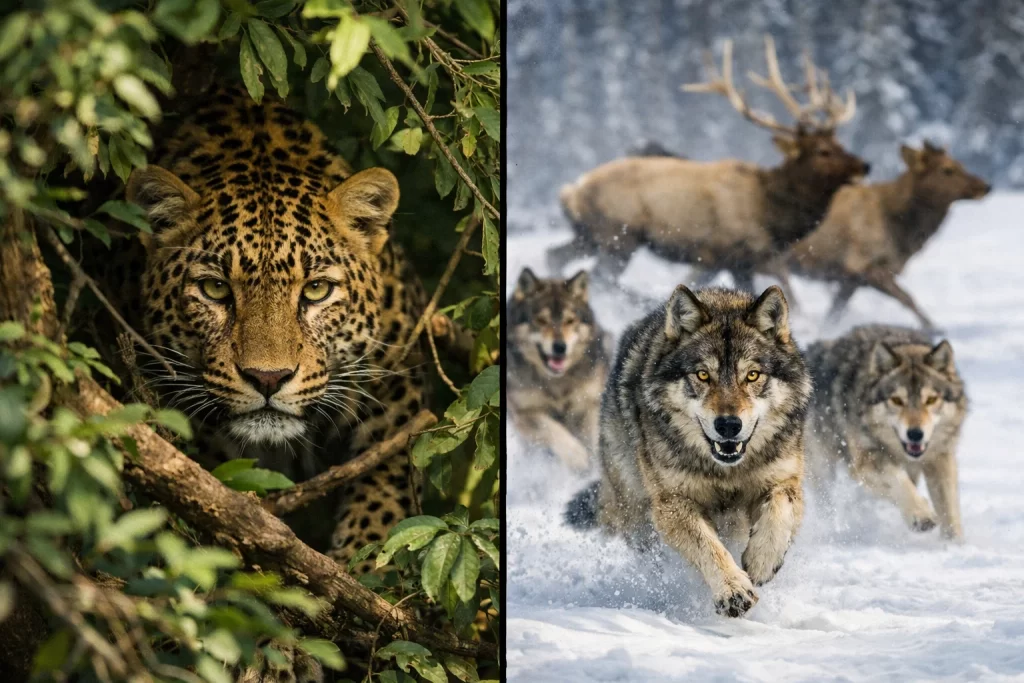
Predators rely on energy efficiency. Every chase burns calories. A failed hunt can cost more energy than it provides. Studies show large carnivores succeed in only 15% to 30% of hunts, depending on species and terrain. That low success rate explains why strategy matters so much.
Ambush Predators: Stealth and Precision
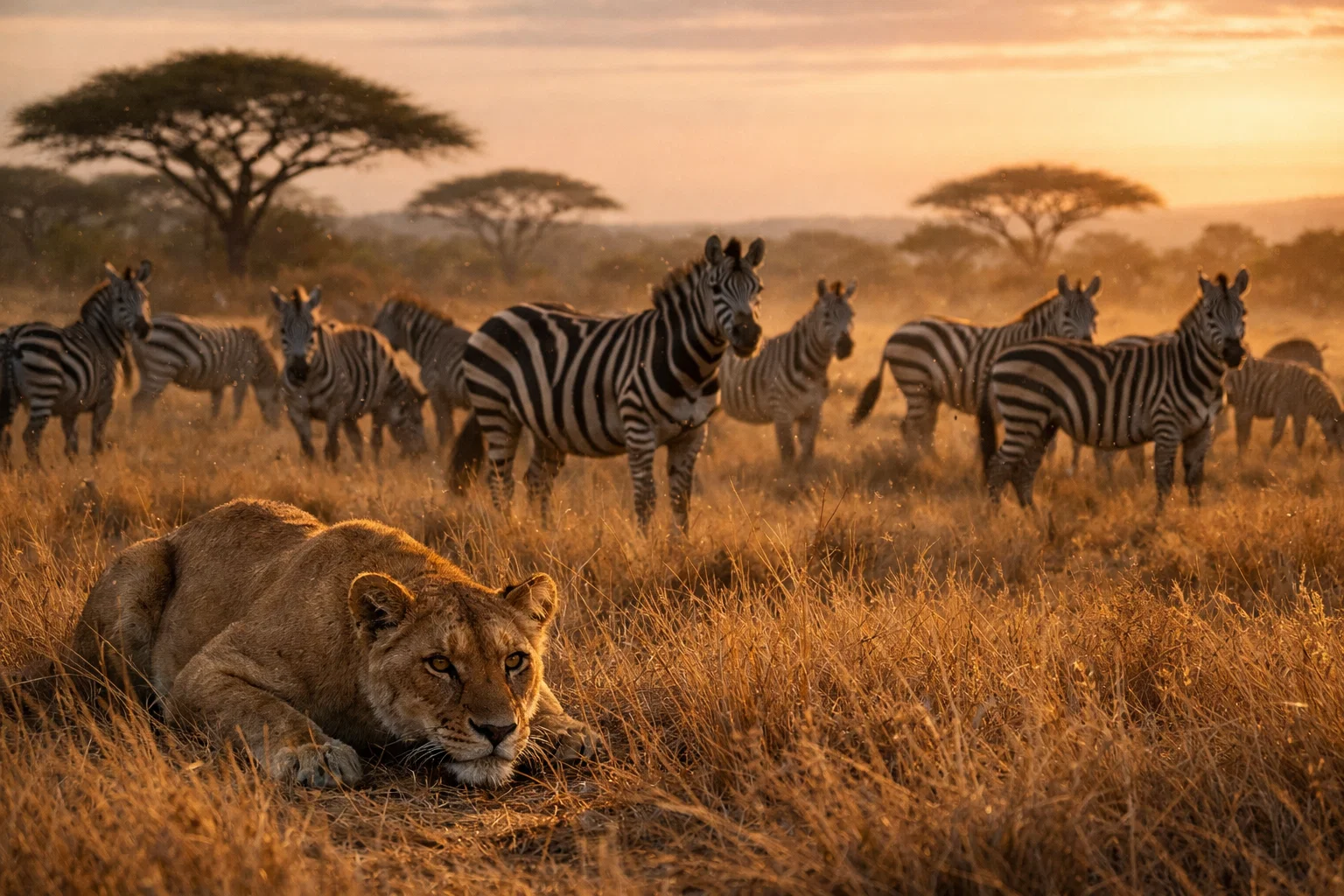
Ambush predators reduce energy waste. Big cats, crocodiles, and some snakes wait patiently before striking. African lions succeed in about 19% of hunts, but success rises to 30% at night. Low light increases surprise.
Crocodiles achieve even higher efficiency in water. They can remain motionless for over one hour before attacking. This patience increases capture probability and lowers metabolic cost. The takeaway is simple. Stealth often beats speed.
Pursuit Predators: Endurance and Coordination
Pursuit predators rely on stamina. Wolves and African wild dogs chase prey over long distances. According to the Alaska Department of Fish and Game 2025 education data, gray wolves can run at 35 mph and maintain long-distance chases exceeding 2 miles.
Pack coordination raises success rates to nearly 25%. Each member plays a role. Some exhaust the prey, while others intercept. This teamwork increases kill probability without extreme energy loss. Cooperation clearly improves survival odds. Advanced hunting tactics also demonstrate the reasoning discussed in Animal Intelligence and Problem Solving in Wildlife.
Survival Tactics That Protect Prey Species
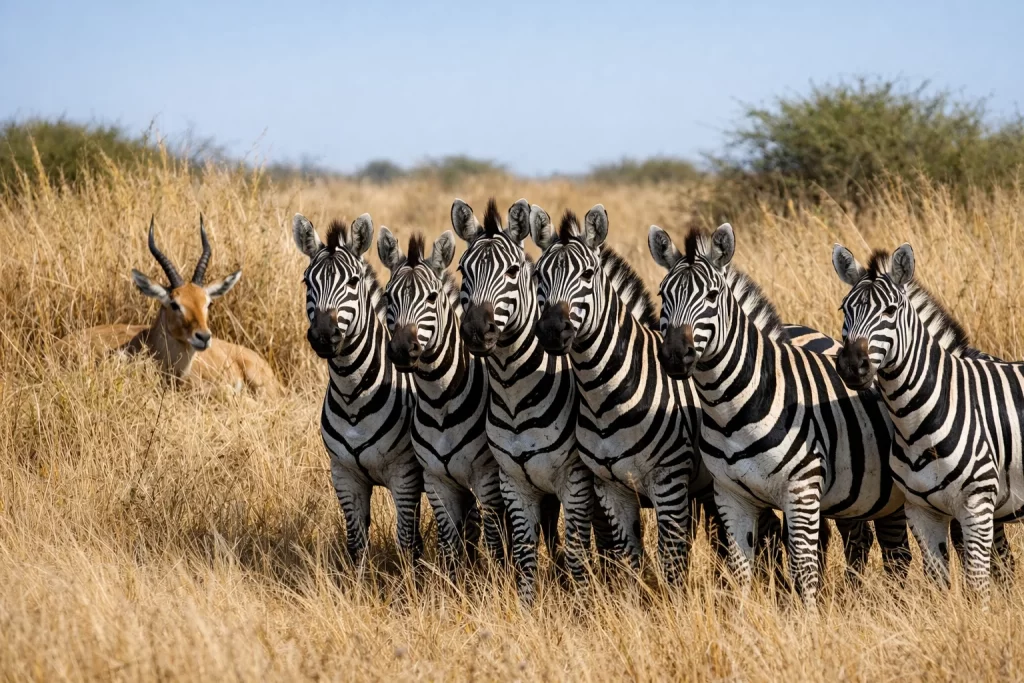
Prey animals do not simply react. They evolve complex systems to detect, avoid, and escape predators. Research in Proceedings of the Royal Society B shows that prey adjust feeding time and habitat use when predator signals appear. This behavioral shift is known as the “landscape of fear.”
Camouflage and Crypsis
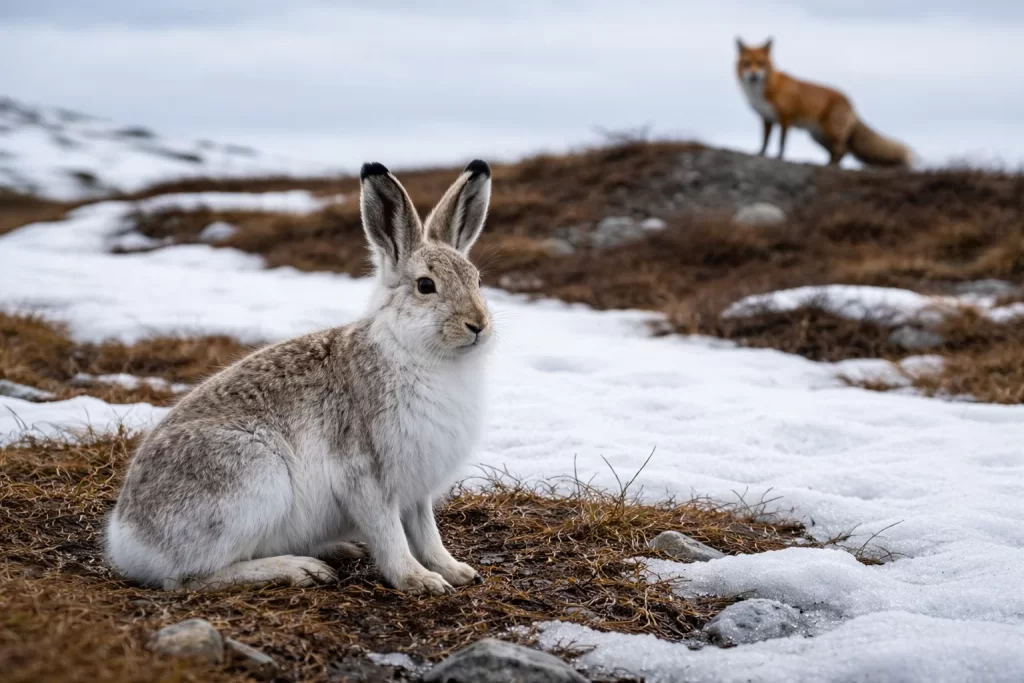
Camouflage lowers detection risk. Arctic hares change coat color seasonally. Stick insects resemble twigs with near-perfect precision. Studies indicate cryptic coloration can reduce detection probability by more than 50%.
However, camouflage requires stillness. Movement increases exposure. That trade-off forces prey to balance feeding with safety. Survival often depends on remaining unseen.
Group Living and Vigilance
Herd behavior improves detection rates. In groups of 20 or more, individual vigilance time drops by 40%. More eyes scan the environment. Zebras, antelope, and fish schools benefit from this shared alert system.
The dilution effect also matters. In large herds, the chance of one individual being caught declines significantly. Grouping reduces personal risk while increasing collective awareness. For a full ecosystem perspective, read Animal Behavior and Communication in the Wild.
The Energy Arms Race Between Hunters and Survivors
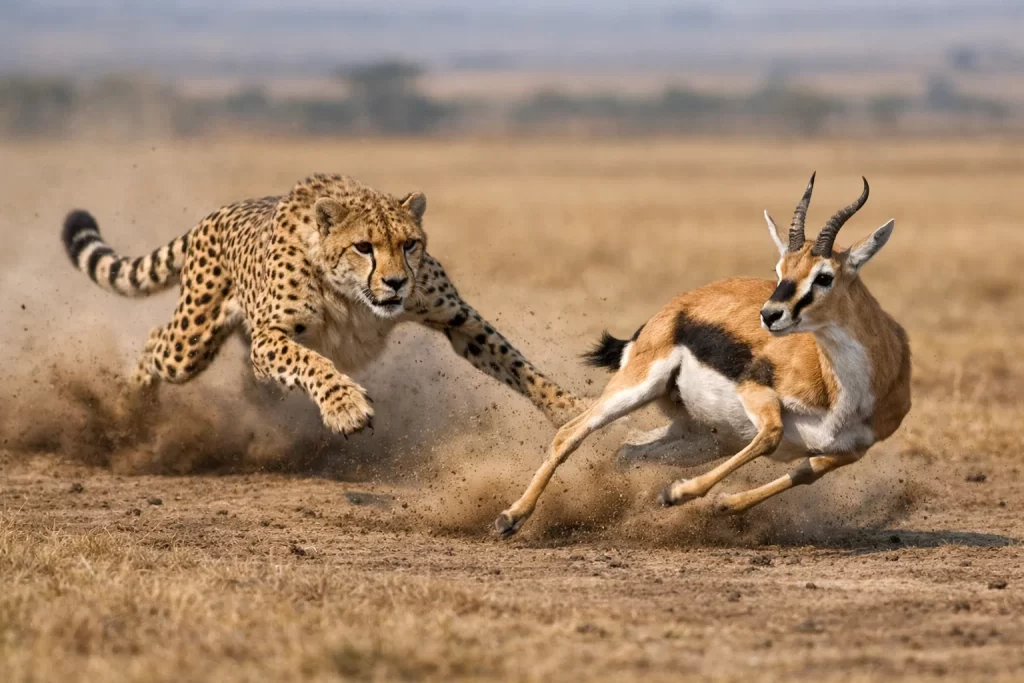
Predator and prey behavior in the wild reflects an ongoing evolutionary arms race. Each adaptation triggers a counter-adaptation. Faster prey select for faster predators. Stronger camouflage selects for sharper senses.
According to ecological models updated in 2026, prey reduce movement by 20% in high-risk zones. That reduction limits grazing but improves survival probability. Predators respond by shifting hunting times. Many hunt at dawn or dusk when visibility drops.
Here is a simplified comparison of energy trade-offs:
| Factor | Predator | Prey |
|---|---|---|
| Energy goal | Maximize intake | Minimize loss |
| Success rate | 15–30% hunts | 70–85% escape |
| Risk factor | Injury during attack | Death if captured |
| Behavioral shift | Time-of-day hunting | Habitat avoidance |
Environmental Factors Shaping Predator and Prey Behavior
Climate, habitat loss, and human activity now influence predator and prey behavior in the wild more than ever. In North America, wolf territories expanded in some protected areas between 2020 and 2025. This expansion altered elk grazing zones by measurable margins.
Climate warming also changes timing. Earlier snowmelt affects camouflage cycles for species that rely on seasonal coat changes. A mismatch between coat color and landscape increases predation risk by up to 7%, according to wildlife monitoring reports in 2025. Coordinated hunting often reflects the hierarchy found in the social structure of Herd Animals.
Bottom Line
Predator and prey behavior in the wild is a measurable, evolving system shaped by energy, risk, and environment. Predators refine stealth and teamwork to improve low success rates. Prey counter with camouflage, vigilance, and habitat shifts to increase escape odds.
As of 2026, advanced tracking technology confirms that fear alone reshapes ecosystems. Prey alter grazing zones. Predators shift hunting hours. Even climate patterns influence survival tactics. This interaction maintains ecological balance across continents.