Table of Contents
Why Vision Correction Matters
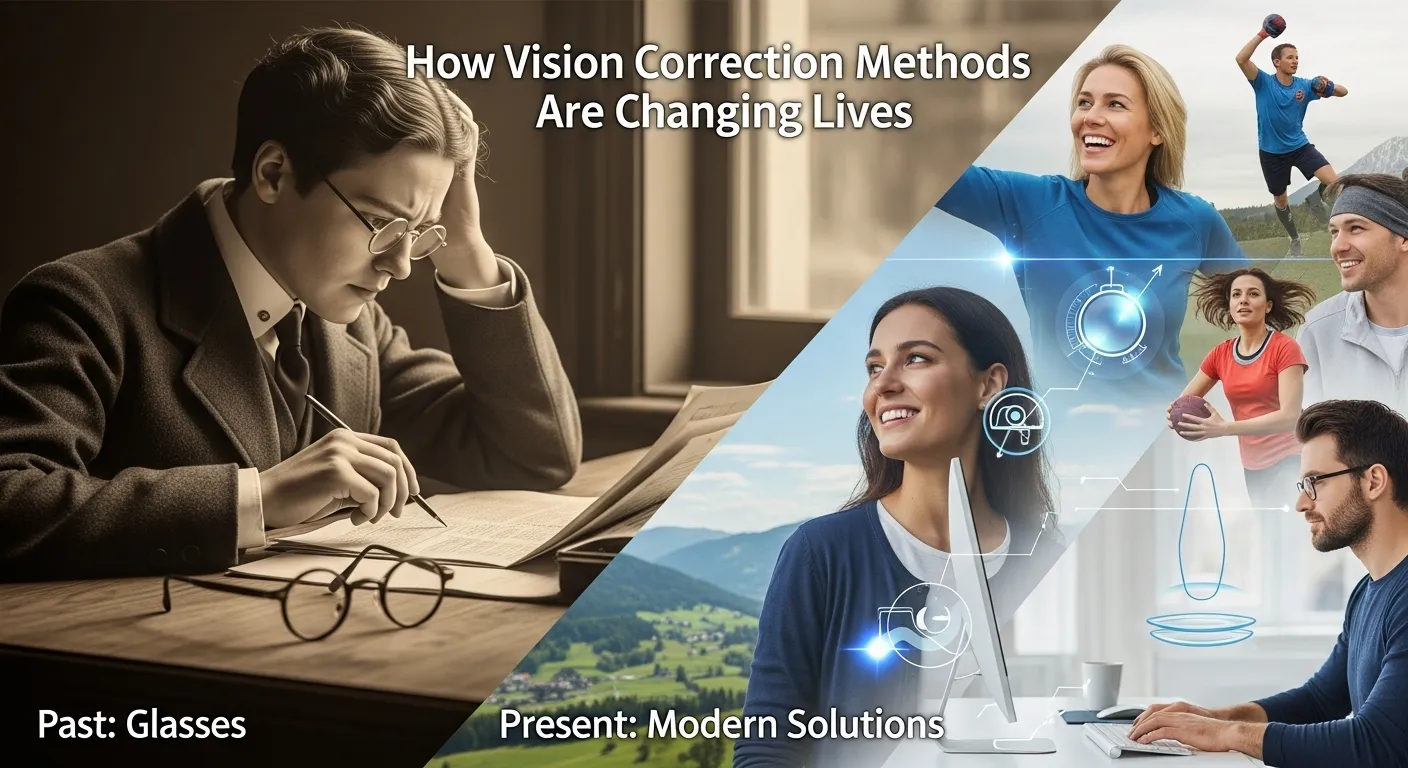
Clear vision is crucial for daily living, with nearly three-quarters of adults using vision correction. Untreated vision issues lead to productivity losses and increased accidents. With digital lifestyles and an aging global population, the need for effective solutions has become more critical. Advanced options like refractive surgery and implantable lenses are being explored, while traditional glasses and contacts remain widely used. One of the most popular innovations today is the EVO ICL lens, which provides a comfortable and reversible vision correction option for those seeking long-term results. The EVO ICL is favored for its minimally invasive procedure and rapid recovery time, making it accessible for many patients.
Furthermore, ongoing technological advancements continue to enhance the safety and efficacy of these implantable lenses. Researchers are also exploring biocompatible materials to reduce the risk of complications and improve integration with eye tissues. As awareness grows, more people are considering these modern solutions as viable alternatives to conventional eyewear. Ultimately, these innovations are transforming how individuals approach vision correction, offering hope for improved quality of life.
Traditional Vision Correction: Glasses and Contacts
Eyeglasses are a popular choice for vision correction due to their ease of use and non-invasive nature. They offer quick solutions for refractive errors like nearsightedness, farsightedness, and astigmatism. Contact lenses provide a natural field of view and aesthetic flexibility. However, glasses can fog up, scratch, and feel cumbersome, while contact lenses require hygiene and can cause discomfort or infections. About 1 in 500 contact lens users experience complications annually.
Advances in Refractive Surgery
Laser-based procedures like LASIK and PRK can correct vision with long-lasting results by reshaping the cornea to address refractive errors. Advances in technology have improved precision and safety, leading to high patient satisfaction. However, not everyone is a candidate, and candidates are determined through comprehensive eye exams and health histories. Understanding the benefits and risks is crucial for making an informed choice in surgical vision correction.

ICL and Other Modern Implant Lenses
Implantable lenses like ICLs are a popular alternative to laser treatments, particularly for those who don’t qualify for laser treatments. These discreetly implanted lenses correct vision by working with the natural lens, offering reversibility and a broader range of prescriptions. Unlike LASIK, ICLs don’t remove corneal tissue, making them suitable for those with thinner corneas or chronic dry eye symptoms.
Weighing The Options: What to Consider
- Lifestyle: Your regular activities—sports, work, travel—can shape which vision correction method best fits your needs.
- Health History: Underlying conditions such as diabetes or autoimmune diseases may limit certain choices. Consulting a specialist ensures safe recommendations.
- Maintenance & Upkeep: Some prefer the ease of daily glasses or contacts, while others seek the long-term convenience of surgical or implantable solutions.
- Cost: Although upfront costs of surgeries or implantable lenses may be higher, they can result in long-term savings compared to the ongoing expenses of frames, lenses, and cleaning solutions.
A thorough evaluation with an eye care provider is key to weighing these essential factors and finding a solution that aligns with your visual goals and lifestyle.
Everyday Impacts of Vision Correction
Improved eyesight can spark positive changes across all age groups. Children with prompt correction can experience enhanced educational performance, greater participation in activities, and improved confidence. Adults who undergo vision correction therapies often report greater independence, easier social interaction, and even boosts to overall mental health and well-being.
For many, the relief of eliminating the daily routine of managing contacts or misplacing glasses translates to a heightened quality of life. Vision correction allows millions to enjoy an active lifestyle, pursue hobbies, and excel at work without the limitations posed by untreated eyesight.
Choosing the Best Solution for You
Identifying the right approach involves self-reflection, research, and open conversations with experienced eye care professionals. Hearing firsthand accounts from others who have explored a range of solutions can provide valuable insight and reassurance. It’s important to balance practical concerns, visual needs, lifestyle preferences, and financial considerations for lasting satisfaction with your choice.
The Future of Vision Correction
The field is advancing rapidly, bringing hope to millions affected by vision problems. Breakthroughs in surgical techniques, materials, and smart wearable technology, such as AR-enabled contact lenses, are on the horizon. As WebMD highlights, tomorrow’s solutions will be safer, more accessible, and more efficient, addressing vision needs with unprecedented precision and customization. Continued innovation and access to contemporary solutions will ensure better eye health for people across generations.