

Table of Contents
Key Takeaways
- Stability and predictability in daily routines reduce anxiety and support good behavior.
- Creating a dedicated retreat area helps your dog decompress and feel secure.
- Using positive reinforcement builds desired behaviors and a trusting relationship.
- Slowly introducing new experiences promotes socialization and confidence.
- Regular veterinary check-ups preserve health and catch issues early.
Bringing a new dog into your family is an exciting milestone filled with joy, anticipation, and the desire to do everything right. Whether you’re a first-time owner or expanding your pack, building a strong foundation for your relationship starts from day one. Establishing stability, comfort, and mutual understanding is key to creating a harmonious life together.
The early days often bring both challenges and rewards, which is why a proactive approach to care and dog training is essential. Consistent routines, positive reinforcement, and clear communication help ease the transition while strengthening the bond between you and your companion.
This guide highlights practical strategies designed to support long-term success, focusing on routine, safety, gradual exposure, wellness, enrichment, and professional support. With patience, compassion, and the right guidance, you’ll set your new dog on the path to a happy, well-adjusted, and fulfilling life by your side.
Establish a Consistent Routine
Dogs thrive on routine. Establishing consistent times for eating, walking, training, and sleeping helps your dog know what to expect, which leads to fewer behavioral issues and less stress. Organizing your days with regular mealtimes, planned walks, and designated times for play and rest clarifies your dog’s environment. Consistency is key to building positive habits and fostering a calmer, more predictable home environment.
Create a Safe and Comfortable Environment
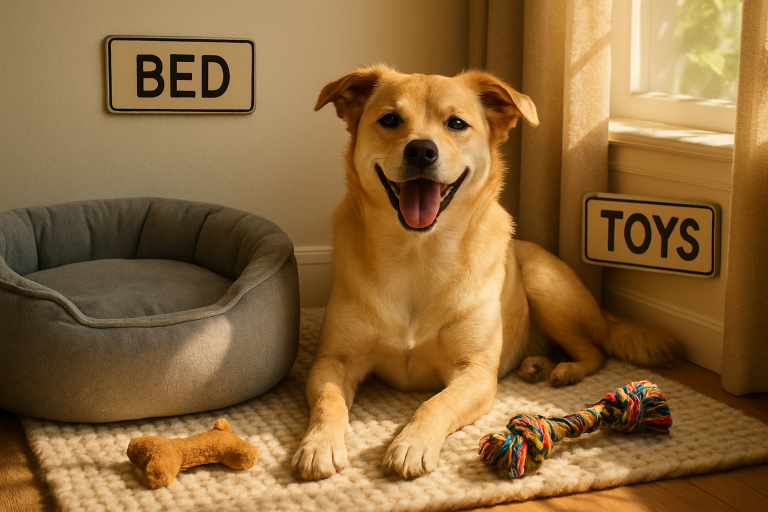
Every dog deserves a special space where they can rest, retreat, and reset from the hustle and bustle of daily life. This could be a specific room, a crate, or a cozy bed away from busy foot traffic. Enhance this spot with familiar scents, soft bedding, and favorite toys to yield a sanctuary effect. A quiet, undisturbed area is particularly invaluable during the adjustment period and when your dog experiences stressful situations, such as thunderstorms or unfamiliar visitors.
Use Positive Reinforcement Techniques
Positive reinforcement is the cornerstone of effective canine learning. When your dog displays a desired behavior—such as sitting politely when guests enter—reward them promptly with treats, gentle praise, or playtime. These rewards reinforce the connection between the behavior and the positive outcome, making it much more likely your dog will repeat the desired action. Over time, your dog will begin to default to these constructive behaviors, laying the groundwork for a cooperative and joyful partnership. Positive reinforcement not only speeds up learning but also nurtures strong emotional ties between pet and owner. Click here to rad abiut Dog Age Calculator – Convert Dog Years to Human Years.
Gradually Introduce New Experiences
Socialization is a gradual process. Introducing your dog to new environments, people, and other animals should happen at a pace that’s comfortable for them. Start with quiet walks in less crowded areas or brief meetings with calm, friendly individuals or animals. As your dog grows more confident, you can slowly broaden their experiences. The Humane Society advises using positive reinforcement alongside calm, reassuring behavior when helping your dog tackle new situations, ensuring your pet feels safe every step of the way.
Ensure Regular Veterinary Care
Your dog’s health underpins their long-term happiness and behavior. Routine veterinary visits are essential for vaccinations, preventative care, and early identification of health problems. These appointments also provide opportunities to discuss flea/tick management, dental care, and nutritional needs with a professional, ensuring comprehensive support for your dog’s well-being. Creating a relationship with a trusted vet reassures you that help is always close by, no matter what stage of life your dog is in.
Provide Mental and Physical Stimulation
Boredom and excess energy can quickly lead to nuisance behaviors, such as excessive barking or destructive chewing. Structure your dog’s day with both physical exercise and mental stimulation. Regular walks, fetch games, agility exercises, or simple tug-of-war games keep the body active. Pair these with interactive puzzle toys, scent work, or obedience drills to keep your dog’s mind busy. Mental stimulation is just as vital as physical activity for preventing behavioral issues and boosting overall happiness.
Practice Patience and Understanding
Adjustment takes time—sometimes weeks, sometimes months. Be gentle and patient as your dog navigates their new environment and forms new habits. Celebrate small successes, maintain calm when setbacks arise, and always strive to see the world through your pet’s eyes. Demonstrating empathy and consistency reassures your dog that they are safe and valued, making it much easier for them to trust and bond with you.
Seek Professional Guidance When Needed
If you face persistent behavioral challenges or need tailored training tips, consult certified professionals such as experienced dog trainers or animal behaviorists. These experts can evaluate specific issues and recommend practical solutions, helping both you and your dog succeed together. Proactive intervention ensures minor issues don’t escalate and creates space for mutual learning and growth.
Investing time and care in these foundational steps not only ensures your dog’s immediate comfort and confidence but also supports a rewarding, lifelong partnership. By setting your expectations, offering unwavering support, and seeking help when needed, you create an environment where your dog will truly thrive.