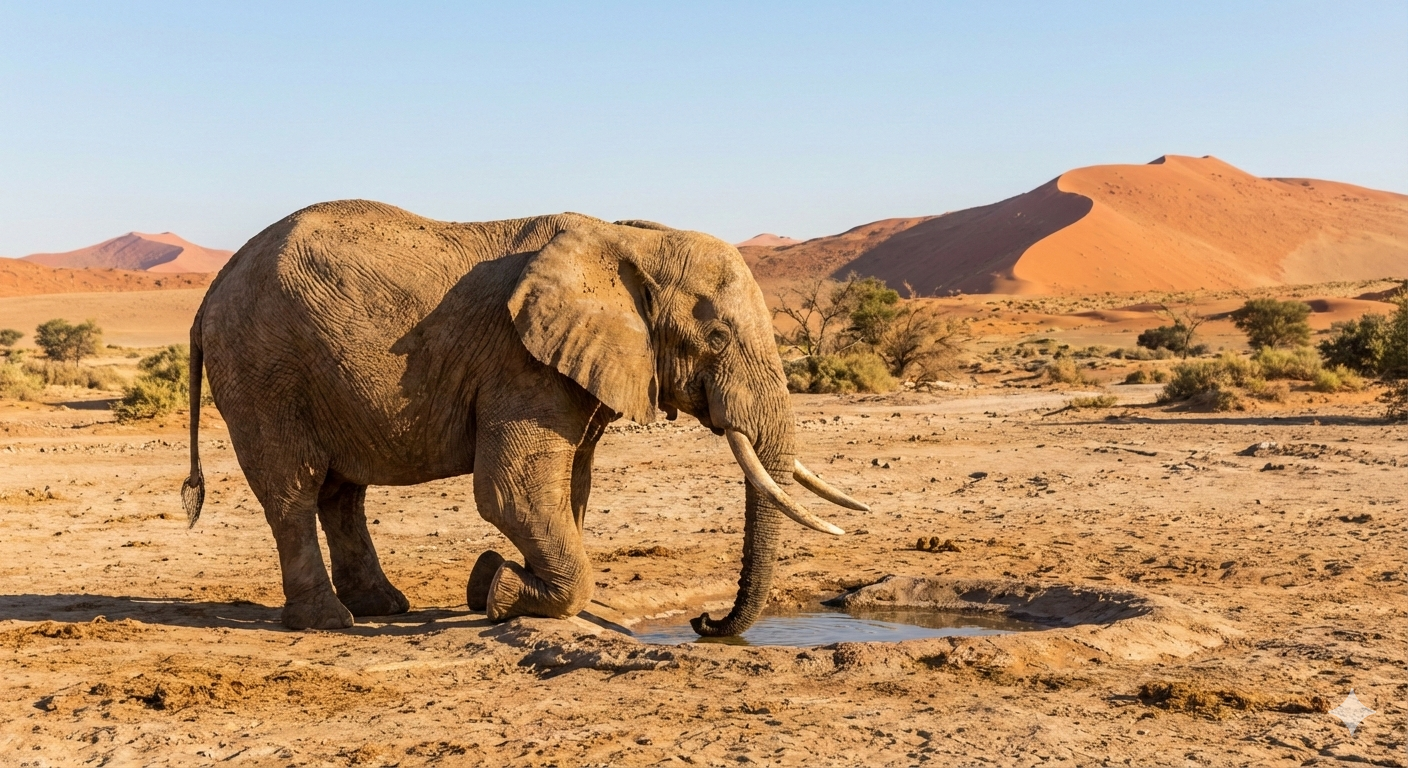
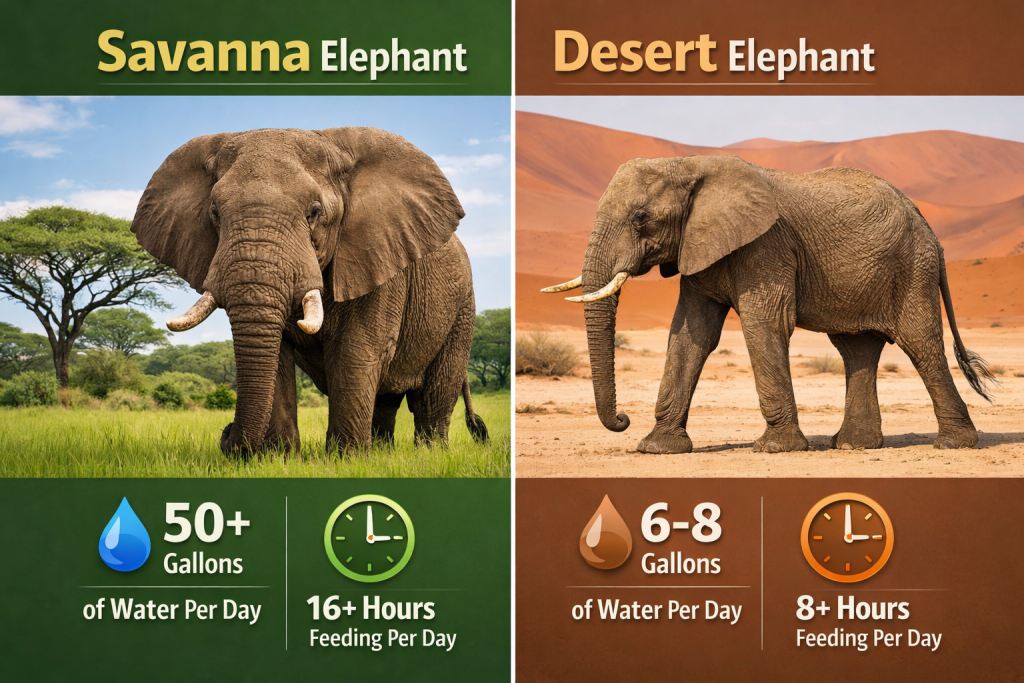
While a standard African Savanna elephant is notoriously water-dependent—often drinking daily—the desert-adapted elephants of Namibia and Mali have rewritten the rules of survival. In environments where the sand can reach 50°C and water holes are hundreds of kilometers apart, hydration isn’t just a habit; it’s a strategic feat of engineering.
But exactly how much water does a desert-adapted elephant drink, and how long can they truly last without it?
The Volume of Consumption
When a desert elephant finally reaches a water source after days of trekking, the intake is staggering. A single adult bull can consume between 160 to 230 liters (42–60 gallons) of water in a single sitting. In extreme cases, researchers have recorded dehydrated elephants drinking up to 250 liters in under five minutes.
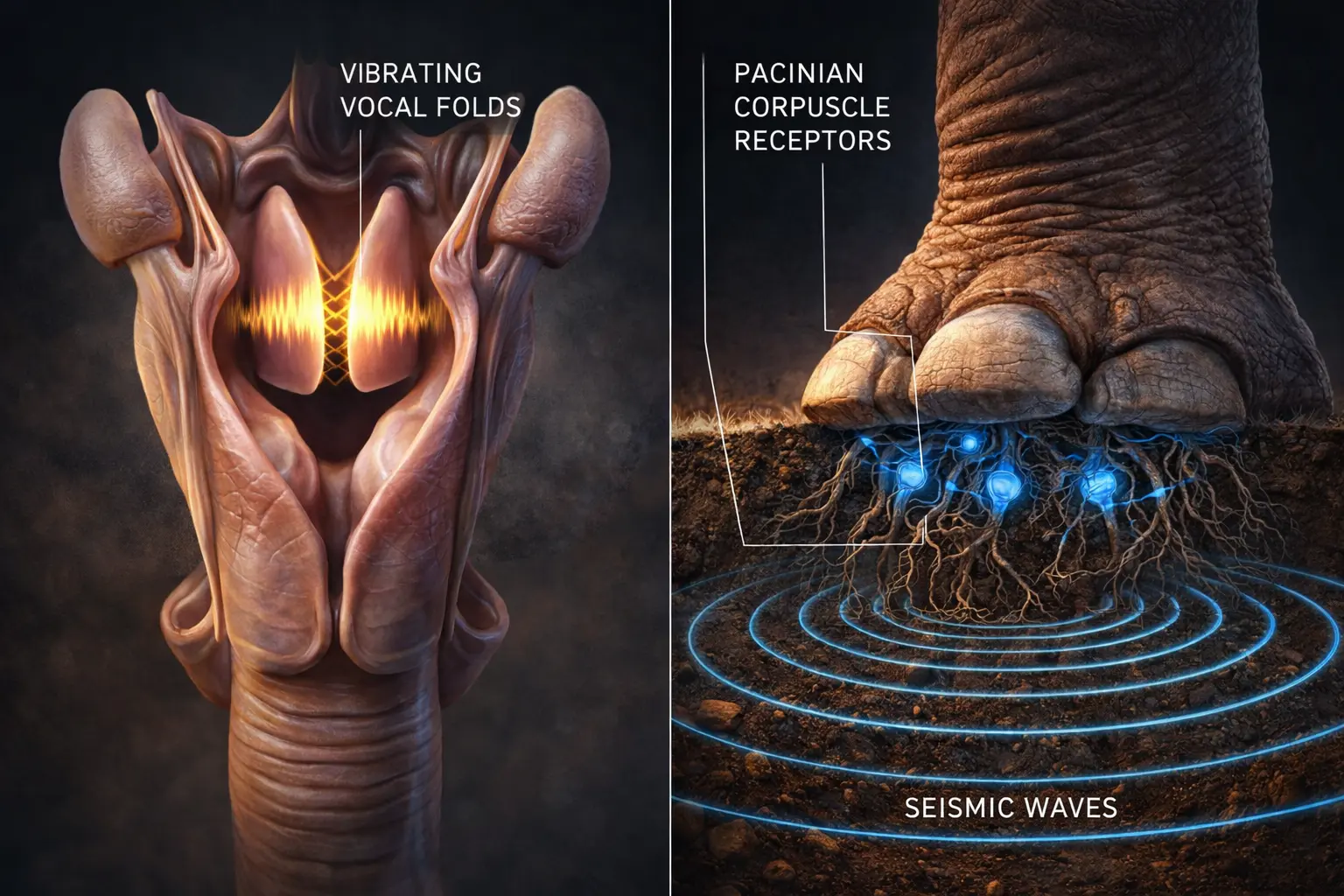
This rapid intake is made possible by the unique anatomy of the elephant trunk. With over 40,000 muscles, the trunk acts as a high-powered vacuum, capable of holding up to 8–10 liters of water at a time before spraying it into the mouth.
Survival Thresholds: Days Without Water
In a standard savanna environment, elephants rarely go more than 24 to 48 hours without water. However, desert-adapted populations have been observed traveling for up to three to four days without a single drop.
How do they survive the metabolic heat?
- Nocturnal Travel: They cover the most distance at night to avoid evaporative water loss.
- Thermal Inertia: Their massive body size allows them to absorb heat slowly during the day and shed it at night.
- Recycled Moisture: During the “brown season,” they rely on specific flora for metabolic water. As discussed in our report on what elephants eat in the dry season, succulent roots and moisture-rich bark become life-saving snacks.
Physiological Adaptations
Desert elephants are not a separate species—they are African Bush elephants that have undergone “phenotypic plasticity.” As noted in The Definitive Guide to Elephant Species, these individuals often appear leaner and have broader feet, which help them traverse soft sand without sinking, reducing the energy (and thus the water) expended during travel.
| Feature | Savanna Elephant | Desert-Adapted Elephant |
| Water Frequency | Every 24 Hours | Every 72–96 Hours |
| Daily Intake | 100–150 Liters | 160–230 Liters (per visit) |
| Walking Distance | 10–20 km/day | up to 70 km/day |
| Primary Challenge | Predation/Competition | Heat Stress/Desiccation |
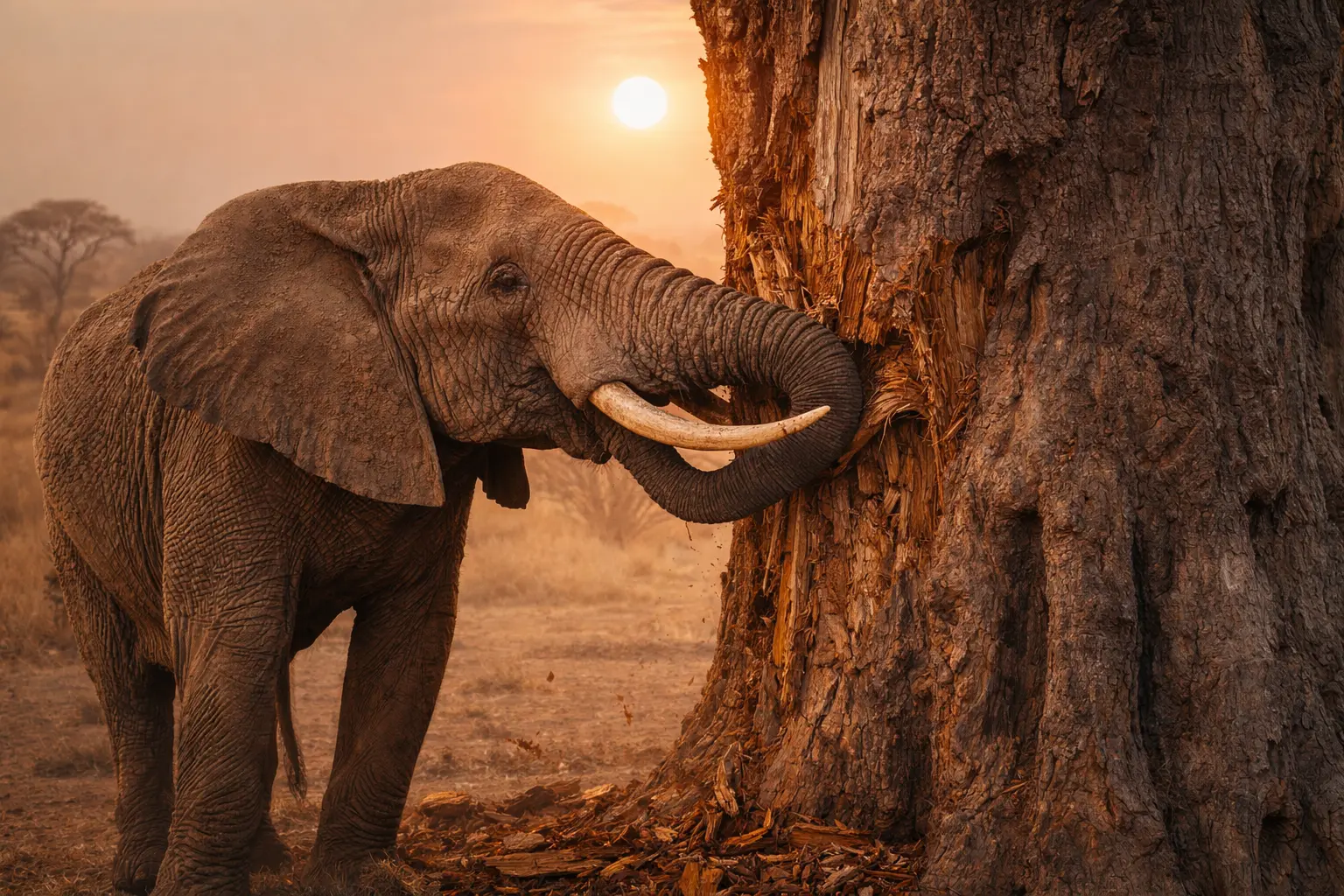
Interestingly, the skeletal health of these desert giants remains robust despite the arid conditions. Because they frequently dig for water in dry riverbeds, their tusks undergo significant wear. The mineral composition of elephant tusks vs bone ensures that these “tools” are hard enough to strike through baked earth to reach underground aquifers, even when the rest of the body is under severe hydric stress.
Watch: Desert Elephants Digging for Water
This video showcases the incredible intelligence and physical power required for these elephants to locate and extract water hidden beneath the sand.