Elephant physiology and health represent a marvel of evolutionary engineering. As the largest terrestrial mammals, elephants have developed unique biological systems to manage immense physical weight, extreme heat, and complex nutritional needs. In this definitive 2026 guide, we explore the internal mechanics that allow these giants to thrive and the modern health challenges they face in the wild and under human care.
1. Metabolic Systems and Nutritional Wellness
The foundation of elephant physiology and health lies in their massive digestive capacity. As hindgut fermenters, elephants process vast quantities of vegetation—up to 150kg daily—to maintain their 6-ton frames.
The Digestive Engine
Their digestive tract is essentially a high-volume fermentation factory. Because they only digest about 40% of what they consume, their health is directly tied to the availability of high-fiber forage.
- Gut Microbiome: A diverse array of bacteria breaks down cellulose, providing the primary energy source.
- Nutritional Stress: In the 2026 climate landscape, “nutritional stress” is a leading health indicator. Researchers now use fecal glucocorticoid metabolites to monitor how habitat loss impacts metabolic stability.
Expert Insight: Maintaining elephant physiology and health during the dry season requires access to mineral “hotspots.” Without specific trace minerals like magnesium and phosphorus, elephants can suffer from metabolic bone disease.
Skeletal Integrity and the “Ivory vs. Bone” Dynamic
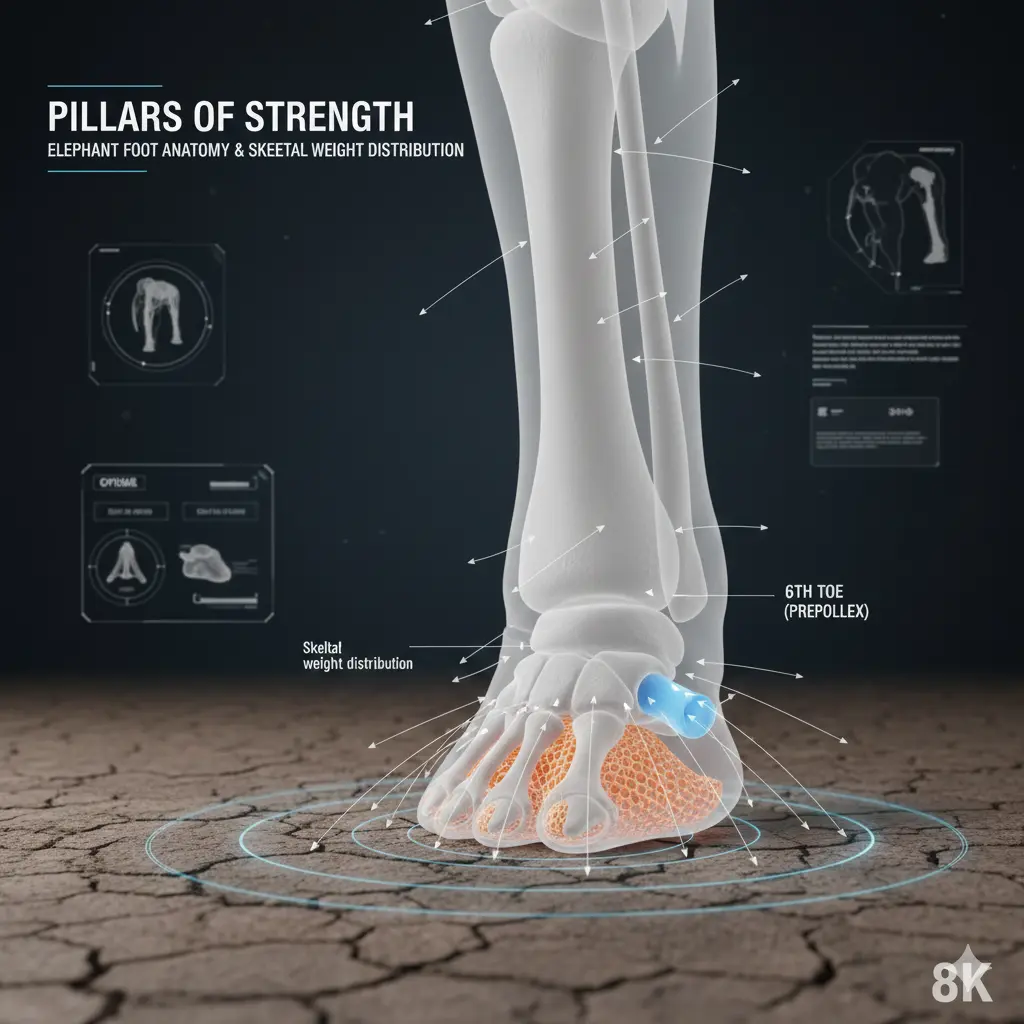
One cannot discuss elephant physiology and health without addressing the skeletal system. Unlike other mammals, elephant bones lack a marrow cavity in many areas, instead using a dense, “spongy” bone structure to support their weight.
Dental Health: The Tusk Factor
Tusks are modified incisors and are central to an elephant’s ability to forage.
- Mineral Reservoirs: While bones can remodel, tusks are permanent dentine.
- Pathology: A “broken tusk” is not just a cosmetic issue; it exposes the pulp cavity, which can lead to systemic infections that compromise the animal’s entire immune system.
3. Muscular Hydrostats: The Anatomy of the Trunk
The trunk is the most visible expression of advanced elephant physiology and health. Containing upwards of 40,000 muscle fascicles, it functions as a “muscular hydrostat”—a limb without a single bone.
- Precision and Power: The trunk can lift 300kg or pick up a single blade of grass.
- Hydration Mechanics: The trunk acts as a vacuum, siphoning up to 10 liters of water at a time. This efficiency is vital for desert-adapted populations that must rehydrate quickly to avoid predators at water holes.
Watch: The Biomechanics of the Elephant Trunk
4. Thermoregulation and Hydration Engineering
Because elephants lack traditional sweat glands, their elephant physiology and health depend on behavioral and anatomical cooling methods.
| Feature | Function in Health |
| Large Ears | Act as radiators to cool blood by up to 9°C. |
| Skin Wrinkles | Retain moisture and mud to protect against UV and parasites. |
| Pulsating Blood Flow | Controlled by the hypothalamus to regulate internal temperature. |
Recent studies in 2026 show that as global temperatures rise, elephants are spending 25% more of their daily “energy budget” on thermoregulation, making water access the single most important factor in wild population longevity.
5. Modern Pathologies and Conservation Health
To truly understand elephant physiology and health, we must look at the emerging diseases of the 21st century.
Viral and Bacterial Threats
- EEHV (Elephant Endotheliotropic Herpesvirus): A lethal virus that primarily targets young elephants. In 2026, vaccine trials are showing promise, but it remains a critical threat to Asian elephant populations.
- Tuberculosis (TB): A zoonotic disease that can spread between humans and elephants, requiring strict biosecurity in conservation hubs.
Cancer Resistance: The P53 Gene
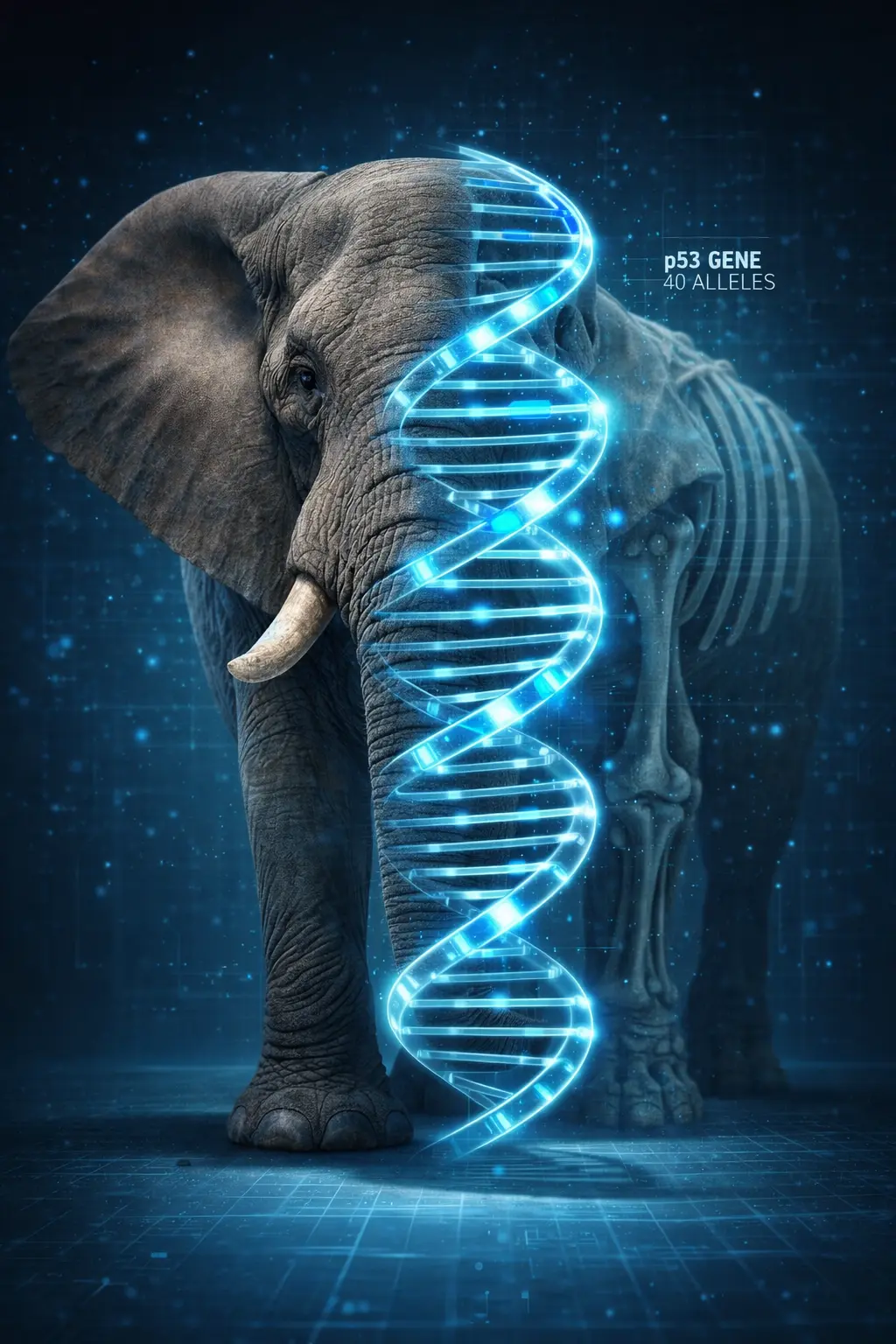
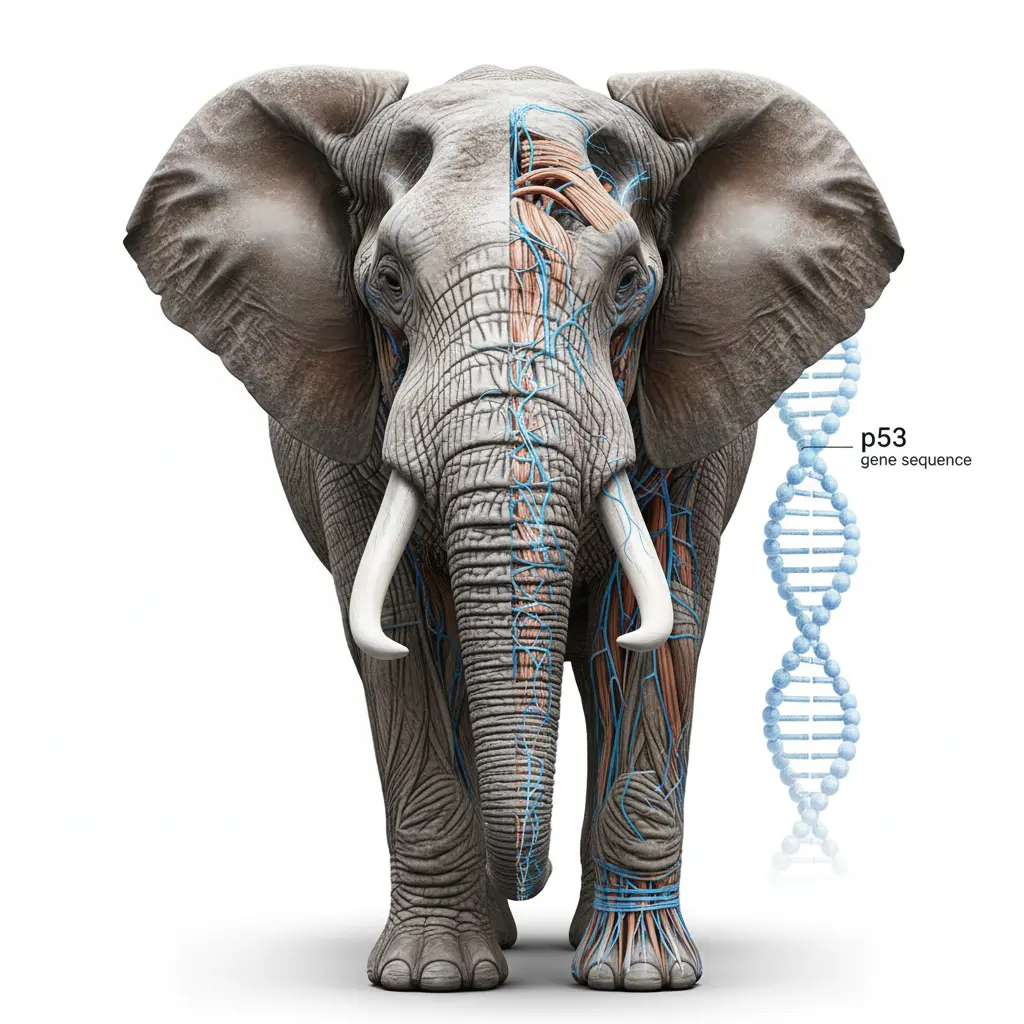
A fascinating aspect of elephant physiology and health is their resistance to cancer. Despite their size, elephants have a lower cancer rate than humans. This is due to having 20 copies of the p53 gene (the “guardian of the genome”), whereas humans only have one. This genetic redundancy allows their bodies to aggressively destroy pre-cancerous cells before they can form tumors.
Watch: Why Elephants Don’t Get Cancer
6. The Future of Elephant Wellness
The study of elephant physiology and health is shifting from reactive treatment to proactive landscape management. By protecting migration corridors and mineral-rich habitats, we ensure that the complex internal systems of these giants continue to function as nature intended.