Table of Contents
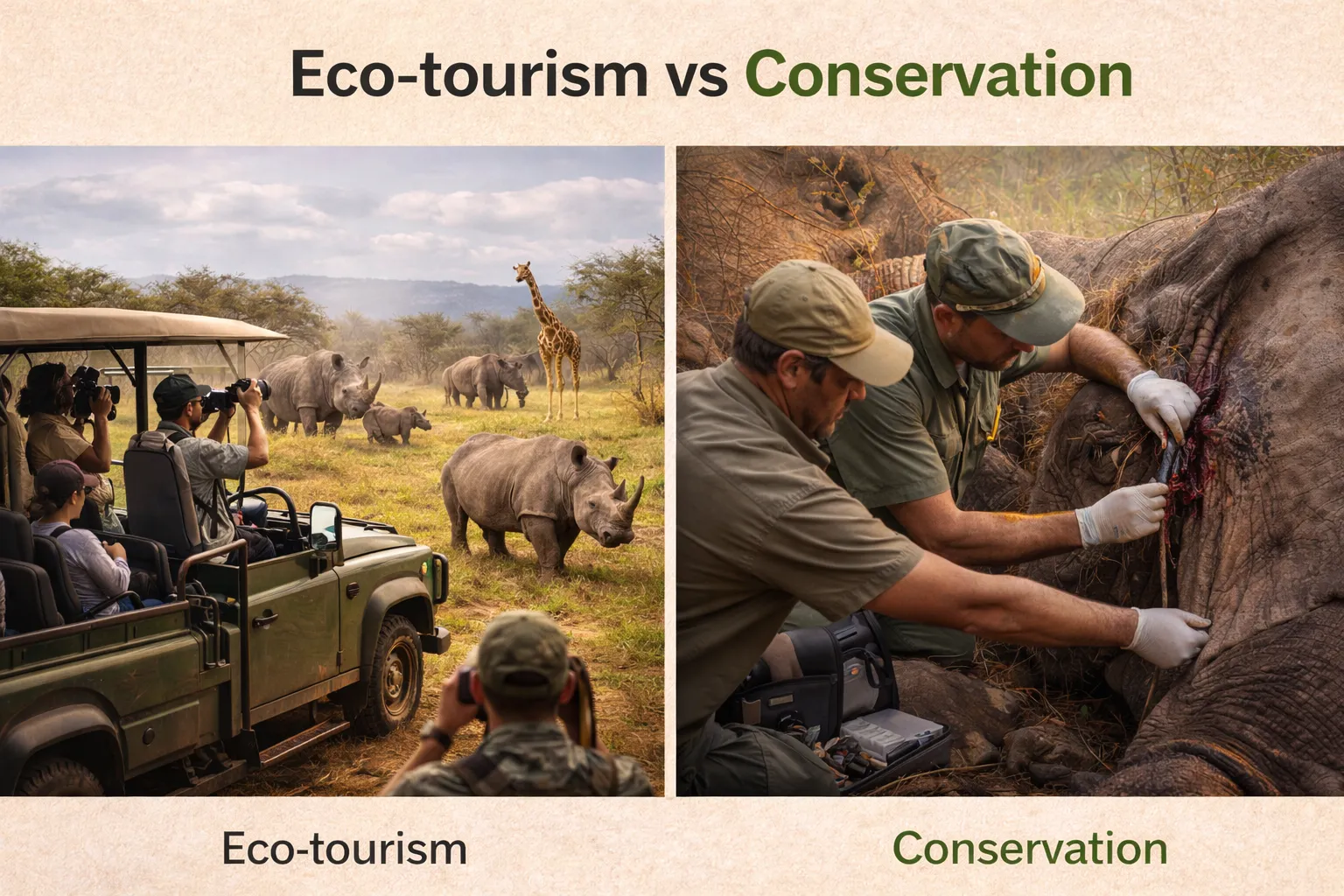
Eco-tourism vs Conservation is one of the most debated topics in African wildlife management today. Nowhere is this tension clearer than at Elephant Sands in Botswana. Located near the eastern border of the Okavango ecosystem, Elephant Sands sits along a natural elephant corridor. Botswana is home to about 130,000 elephants in 2025, the largest population in Africa, according to the Botswana Department of Wildlife and National Parks.
Elephant Sands attracts thousands of eco-travelers each year. Guests watch wild elephants drink from a waterhole just meters from camp. Tourism generates income for conservation and local jobs. Yet high visitor numbers also increase stress, habitat pressure, and human-wildlife interaction risks.
The real question in Eco-tourism vs Conservation is not whether tourism should exist. It is whether it can actively protect wildlife while supporting communities. At Elephant Sands, the balance depends on science, regulation, and responsible travel behavior.
Elephant Sands: A Unique Wildlife Interface
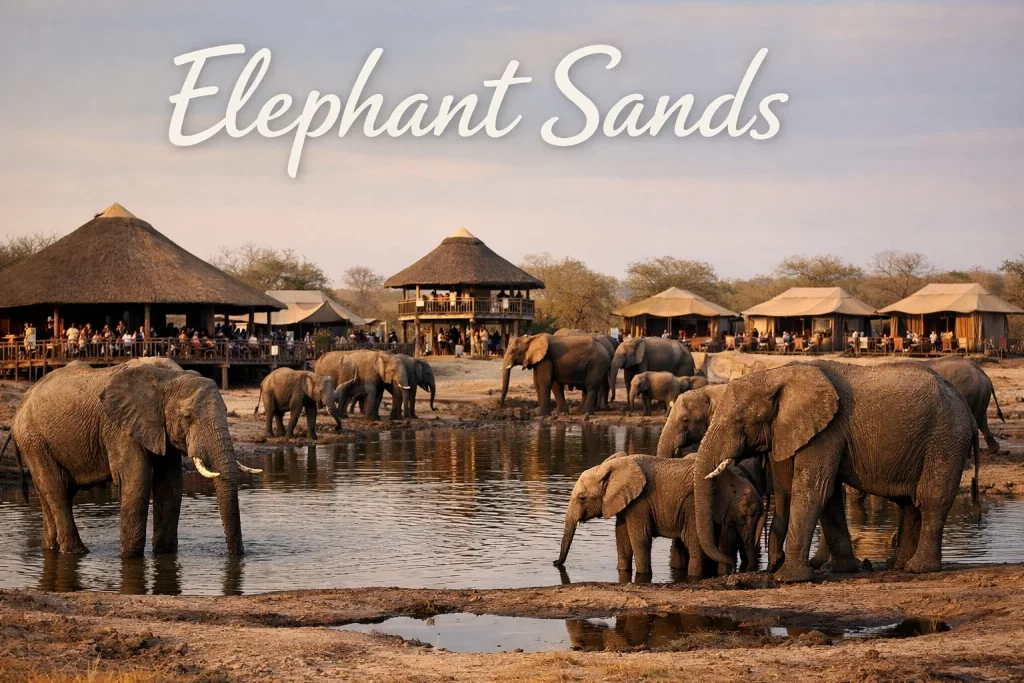
A Camp Built Around Elephants
Elephant Sands is designed around a natural waterhole. During dry months from May to October, elephants gather daily. In peak dry season, more than 70 elephants can visit within hours. This creates unmatched wildlife viewing without vehicles.
However, this setup also places humans close to wild animals weighing up to 6,000 kilograms. African elephants require 150–300 liters of water per day. When artificial water sources supplement natural ones, elephant movement patterns can shift. This alters grazing pressure and vegetation recovery cycles.
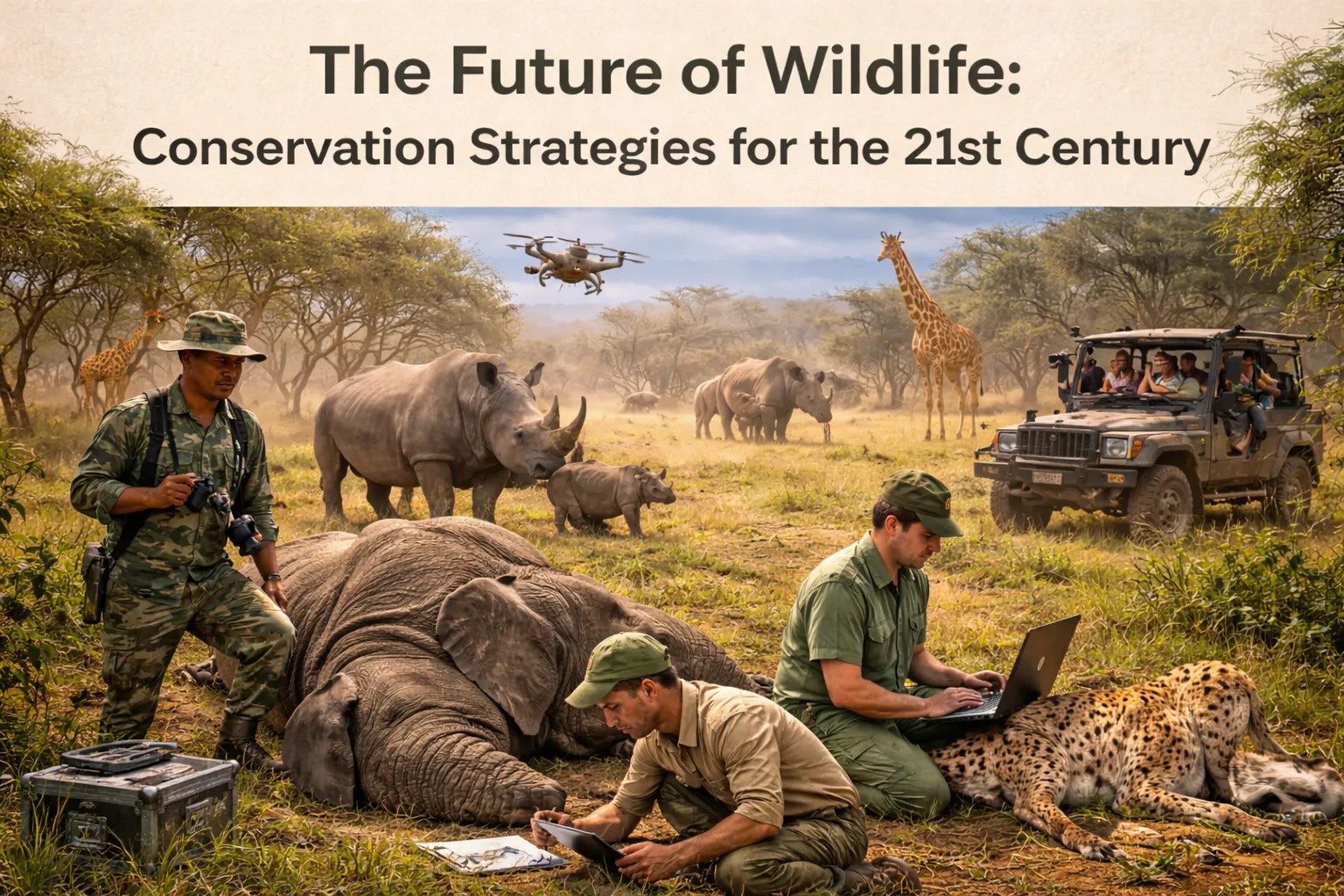
The Eco-tourism vs Conservation challenge here is spatial proximity. Tourism thrives on closeness. Conservation demands a safe ecological distance. Both goals must align through careful design and management. For the bigger picture on balancing development and protection, visit The Future of Wildlife: Conservation Strategies for the 21st Century.
The Conservation Argument: Protection First
Elephant Population Pressure in Botswana
Botswana’s elephant population grew significantly between 1995 and 2018. The Great Elephant Census reported 126,000 elephants in northern Botswana in 2014. By 2022, aerial surveys estimated roughly 130,000 nationwide. High densities increase pressure on woodlands and water systems.
Elephants can uproot mature trees and reshape habitats. In high-density areas, woodland cover declines faster than regeneration rates. This affects birds, antelope, and predator species. Conservationists argue that tourism sites must avoid concentrating elephants unnaturally.
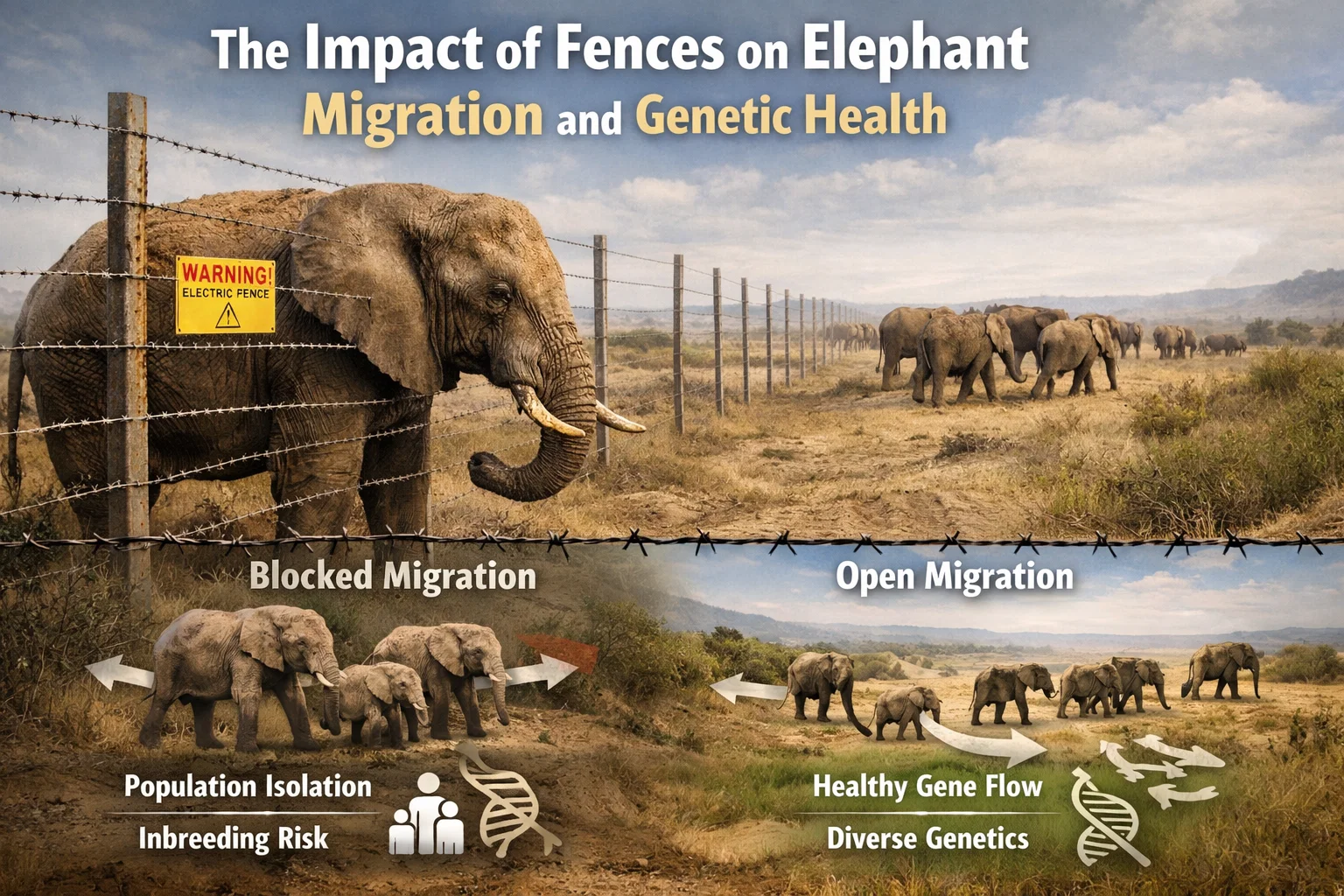
Eco-tourism vs Conservation becomes critical when tourism infrastructure alters the ecological balance. Artificial waterholes, fencing, or feeding practices can change migration routes. Science-based management must guide every intervention to avoid long-term damage.
The Eco-tourism Case: Funding Wildlife Survival

Tourism as a Conservation Engine
According to the World Travel & Tourism Council, tourism contributed 7.6 percent to Botswana’s GDP in 2024. Wildlife-based tourism remains a primary driver. Eco-tourism supports anti-poaching patrols, park management, and community projects.
The Center for Responsible Travel defines ecotourism as travel that conserves the environment and improves local well-being. Details are available at sustainabletravel.org/what-is-ecotourism/. When structured properly, eco-tourism channels visitor spending into habitat protection.
At Elephant Sands, guest fees help fund local employment and water infrastructure. Community-based natural resource management programs across Botswana have shown that villages with tourism partnerships report lower poaching incidents. Revenue creates an incentive for protection.
Eco-tourism vs Conservation shifts positively when tourism directly funds biodiversity outcomes. Without tourism income, many protected areas would struggle financially. Conservation technology is reshaping anti-poaching efforts. Discover how thermal technology is saving the African Rhino.
Measuring the Impact: Benefits vs Risks
Ecological and Social Trade-offs
Scientific literature highlights that unmanaged ecotourism increases waste, water use, and wildlife disturbance. A 2022 study in Environmental Research Communications emphasized that visitor density correlates with habitat stress if not regulated.
Let us compare the key dimensions clearly.
| Factor | Eco-tourism Benefit | Conservation Risk |
|---|---|---|
| Revenue | Funds anti-poaching and rangers | Revenue dependency may pressure over-visitation |
| Community Jobs | Reduces illegal hunting | Expands infrastructure footprint |
| Waterholes | Supports wildlife in drought | Alters natural migration patterns |
| Visitor Presence | Raises global awareness | Increases animal stress levels |
Each factor shows that Eco-tourism vs Conservation is not a binary conflict. It is a management equation.
Responsible Tourism in Practice at Elephant Sands
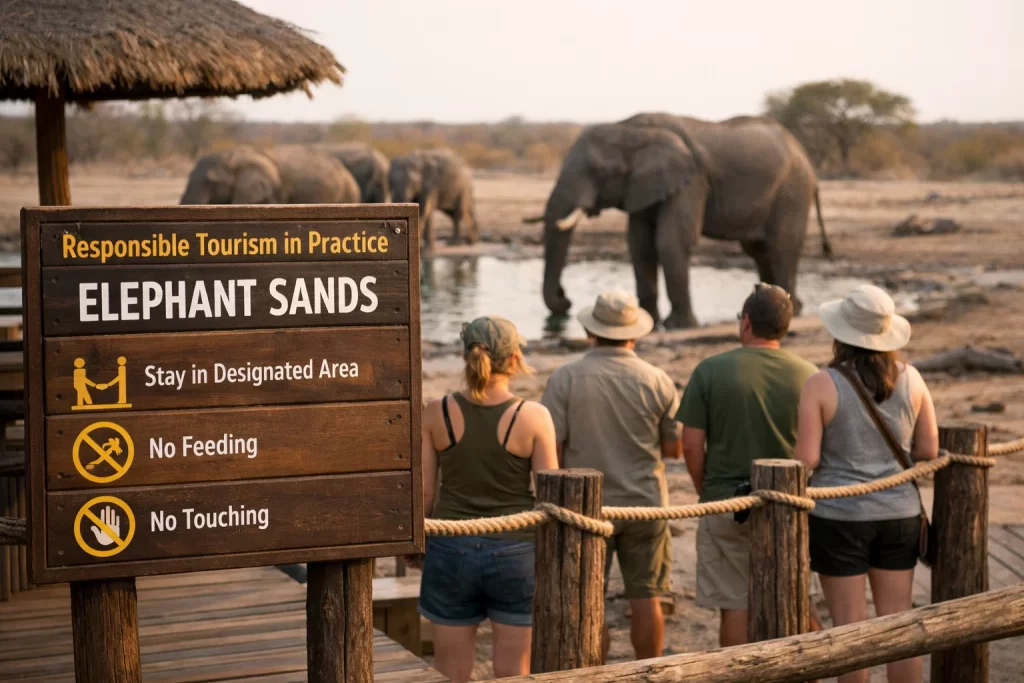
Practical Steps That Support Balance
Elephant Sands enforces strict guest behavior rules. Visitors must remain inside designated areas when elephants approach. No feeding or direct interaction is allowed. This reduces behavioral conditioning.
Sustainable lodges increasingly use solar energy systems. Botswana’s solar radiation average exceeds 3,200 hours per year, making solar viable. Reduced diesel use lowers emissions and noise pollution.
Key actions that strengthen Eco-tourism vs Conservation include:
- Setting daily visitor limits.
- Monitoring elephant stress behavior.
- Avoiding artificial feeding practices.
- Supporting local employment with above 60 percent staffing.
- Partnering with wildlife researchers.
Climate Change and the Future of Elephant Sands
Climate change intensifies drought cycles in southern Africa. Botswana experienced below-average rainfall in 2023 and 2024, affecting water availability. Elephants increasingly depend on artificial waterholes during extreme dry seasons.
If tourism funds maintain water access responsibly, it buffers wildlife during drought. However, permanent artificial water sources can disrupt seasonal migration patterns. Conservation experts recommend adaptive water management strategies rather than permanent year-round pumping. Ethical monitoring improves sustainability. Read how to track elephants without disturbing their natural diet.
Bottom Line
Eco-tourism vs Conservation at Elephant Sands is not a simple clash. It is a test of management quality. Tourism brings revenue, awareness, and jobs. Conservation demands habitat protection, ecological balance, and scientific oversight.
When visitor numbers remain controlled and wildlife science guides operations, both goals can align. Botswana’s elephant population proves that protection works when funding and policy cooperate. Elephant Sands demonstrates that proximity tourism must operate within strict ecological limits.