
Table of Contents
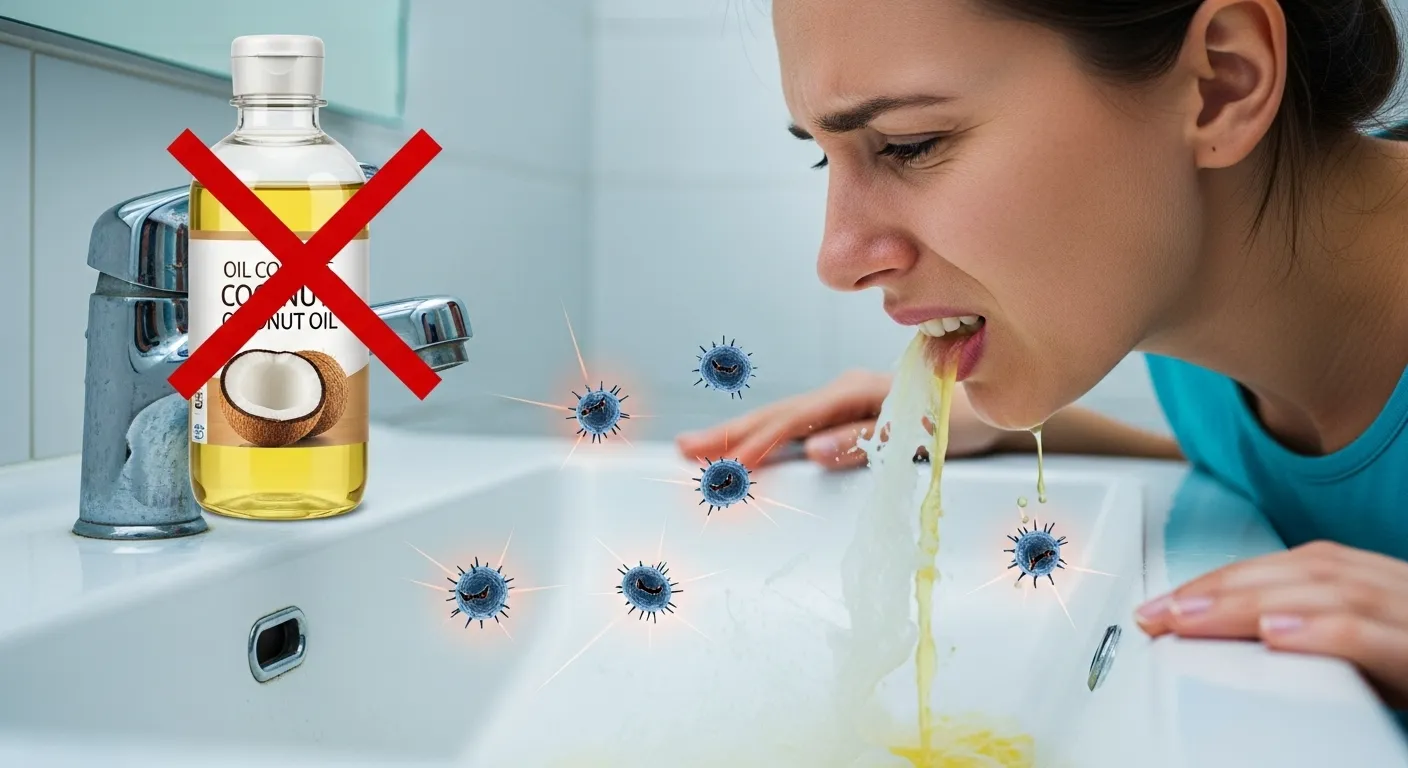
I often hear people talk about natural remedies that promise better health, and coconut oil pulling is one of them. It sounds simple swishing oil in your mouth for a few minutes each day but like any health trend, it comes with both benefits and Coconut Oil Pulling Dangers.
We need to look closely at what this practice involves, why people try it, and the risks that may follow. By understanding both the science and the traditional claims, you can make a safe and informed choice.
Why People Try Coconut Oil Pulling

They say oil pulling is an ancient practice from Ayurveda, dating back 3,000–5,000 years. In modern times, it was reintroduced in the 1990s by Dr. F. Karach in Russia. Many believe it helps detoxify the body, clean the mouth, and even improve digestion.
People try coconut oil pulling because:
- It feels natural and chemical-free.
- Coconut oil has a pleasant taste compared to sesame or sunflower oil.
- Lauric acid in coconut oil is known for antimicrobial power.
- Studies show plaque reduction and fresher breath in short periods.
But while these reasons sound promising, the real question is whether the practice is risk-free.
Top Dangers of Coconut Oil Pulling
Jaw Strain & Headaches
I have seen people underestimate the physical effort involved. Swishing oil for 10–20 minutes puts strain on your jaw. Over time, this can lead to headaches, muscle fatigue, or worsen conditions like teeth grinding and TMJ problems.
Aspiration Risks (Lipoid Pneumonia)
We cannot ignore the rare but serious danger of inhaling oil into the lungs. Doctors have reported cases of lipoid pneumonia caused by oil aspiration. This is why oil pulling is not recommended for children under 5 years old and should be done cautiously by adults.
Why It Can’t Replace Brushing & Flossing
Dentists remind us that oil pulling cannot replace fluoride toothpaste and flossing. Oil may reduce some bacteria, but it doesn’t remove food particles stuck between teeth. Without brushing, plaque builds up, leading to cavities and gum disease.
Additional Side Effects & Oral Health Concerns

We should also keep in mind other possible issues:
- Swallowing oil can cause nausea, stomach pain, or diarrhea.
- Coconut oil allergies can trigger skin or mouth reactions.
- Vigorous swishing followed by brushing may weaken tooth enamel.
- Spitting oil into sinks may clog pipes because coconut oil solidifies below 76°F (24°C).
What Research Really Says
They have conducted several studies, and results are mixed but worth noting.
- Hyderabad Study (40 students, mean age 20.5 years):
- Baseline plaque: Study group 1.64, control 1.74 (no difference).
- Day 7: Study group dropped to 1.16, control stayed higher at 1.50.
- Plaque reduction: 29% in the study group vs. 14% in control.
- Other Findings:
- A 40-day study showed 20% reduction in microbial count.
- A pilot study found plaque reduced by 68% and gingivitis by 56% in 30 days.
- Sunflower oil pulling reduced plaque by 18–30% and gingivitis by 52–60%.
- Coconut oil pulling compared well with chlorhexidine mouthwash in fighting Streptococcus mutans.
These numbers prove oil pulling works as a supportive practice, but they also show studies are limited in duration and sample size.
Coconut Oil Composition & Mechanism
We need to understand what makes coconut oil special:
- 92% saturated fat content.
- 50% of it is lauric acid, a medium-chain triglyceride.
The action of swishing emulsifies the oil, allowing it to trap bacteria. Lauric acid also reacts with saliva to create cleansing compounds. Researchers suggest it breaks bacterial cell walls, reduces plaque adhesion, and limits fungal growth like Candida albicans.
Still, no scientific proof shows it detoxifies the whole body or whitens teeth.
Myths vs. Facts

I have noticed several myths floating around. Let’s clear them up:
- Whitening Teeth: Oil pulling may remove surface stains, but it doesn’t bleach teeth.
- Curing Diseases: Claims that it heals asthma, diabetes, or migraines lack evidence.
- Loosening Fillings: It won’t damage fillings unless they are already weak.
Facts show it can reduce plaque, improve gum health, and help bad breath, but it is not a miracle cure.
Safe Alternatives & Dentist Recommendations
We should listen to dental professionals. The American Dental Association (ADA) does not endorse oil pulling as a substitute for brushing and flossing. However, they acknowledge it as a harmless add-on for most people.
Here are safer alternatives:
- Brush twice daily with fluoride toothpaste.
- Floss once a day to clean between teeth.
- Use alcohol-free mouthwash if you want extra protection.
- If you still want to try oil pulling, limit it to 5–10 minutes and don’t swallow the oil.
Dentists also stress spitting oil into the trash, not the sink. Children should only attempt it under supervision, and anyone with jaw issues should avoid it.
Final Thoughts
We have seen that coconut oil pulling is an old practice with new attention. Studies show it can reduce plaque, improve gum health, and freshen breath. But dangers like aspiration, jaw strain, or replacing proven dental care make it risky if misunderstood.
My advice is simple: treat it as a complement, not a cure. Keep brushing, flossing, and visiting your dentist. If you enjoy the feeling of coconut oil pulling, do it safely and with realistic expectations. Your oral health depends on proven daily habits, not quick fixes.
FAQs
1. What is coconut oil pulling?
It’s the practice of swishing a tablespoon of coconut oil in your mouth for 10–20 minutes to reduce bacteria, improve oral health, and freshen breath.
2. Is coconut oil pulling safe?
Generally safe, but risks include jaw strain, accidental swallowing, or aspiration. It should not replace brushing and flossing.
3. Can oil pulling whiten teeth?
No scientific proof supports whitening. It may only remove surface stains, giving the appearance of slightly brighter teeth.
4. Can kids do oil pulling?
Children over 5 can try it for 5 minutes under supervision, but younger kids risk aspiration and should avoid it.
5. Does coconut oil pulling cure diseases?
No, claims that it cures systemic diseases like diabetes or asthma are unproven and not backed by scientific evidence.
References
- Peedikayil FC, et al. “Effect of Coconut Oil in Plaque Related Gingivitis—A Clinical Trial.” Journal of Clinical and Diagnostic Research. 2015.
- Asokan S, et al. “Effect of Oil Pulling on Streptococcus mutans Count in Plaque and Saliva Using Sesame Oil and Chlorhexidine Mouthwash in Adolescent Boys.” Journal of Indian Society of Pedodontics and Preventive Dentistry. 2008.
- Thaweboon S, et al. “Effect of Oil-Pulling on Oral Microorganisms in Biofilm Models.” Asia Journal of Public Health. 2011.
- Amith HV, et al. “Effect of Oil Pulling on Plaque and Gingivitis.” Journal of Oral Health & Community Dentistry. 2007.
- Peedikayil R, et al. “Oil Pulling Therapy and Oral Health: A Review.” Journal of Clinical and Diagnostic Research. 2014.
- American Dental Association (ADA). “Statement on Oil Pulling.” Updated 2020.
- Srinivasa S, et al. “A Study of the Antimicrobial Properties of Lauric Acid Against Streptococcus mutans.” Indian Journal of Dental Research. 2009.
- Asokan S, et al. “Oil Pulling Therapy.” Indian Journal of Dental Research. 2009.
- Peedikayil FC, et al. “Coconut Oil Pulling for Oral Health: A Review and Pilot Study.” Journal of Health Research and Reviews. 2016.
- Turesky S, Gilmore ND, Glickman I. “Modification of the Quigley and Hein Plaque Index.” Journal of Periodontology. 1970.
- Hyderabad Dental Study (RCT, 2015). Data on plaque reduction and microbial counts in 40 participants.
- Asokan S. “Effect of Oil Pulling on Plaque Induced Gingivitis: A Randomized, Controlled, Triple-Blind Study.” Indian Journal of Dental Research. 2011.
- Varma SR, et al. “Lauric Acid in Coconut Oil and Its Antimicrobial Benefits.” Journal of Natural Science, Biology and Medicine. 2017.
- Sharath A, et al. “Comparison of Coconut Oil and Chlorhexidine on Plaque and Gingivitis.” International Journal of Contemporary Dentistry. 2018.
- Review Article: “Oil Pulling Practice and Its Effect on Oral Health—Systematic Review.” Journal of Ayurveda and Integrative Medicine. 2020.
Disclaimer: This article is for informational purposes only and not a substitute for professional dental advice. Always consult your dentist before trying new practices.
Author’s: Ben John
Ben John is a health and wellness writer with a focus on natural remedies and oral care. He explores traditional practices like oil pulling with a balanced, evidence-based approach. His goal is to help readers make safe and informed choices for better dental health.