Table of Contents
How Elephant Feet Help Them Walk Silently in the Wild is one of the most fascinating aspects of elephant anatomy and survival behavior. Adult elephants weigh between 2,700 and 6,300 kilograms, yet they move through forests with surprising quietness. Elephant locomotion confirms that their feet contain specialized fat pads and flexible bones that absorb shock and reduce noise.
The Smithsonian National Zoo (2025) explains that elephants distribute their body weight across four large feet, each acting like a natural cushion. This system prevents loud ground impact even when the animal walks long distances. African elephants may travel 25–50 kilometers per day while searching for food and water.
Silent movement helps them approach waterholes, communicate within herds, and avoid attracting predators or threats. Understanding how elephant feet function provides important insights into animal biomechanics and wildlife health.
The Unique Structure of Elephant Feet
Thick Fat Pads That Absorb Sound
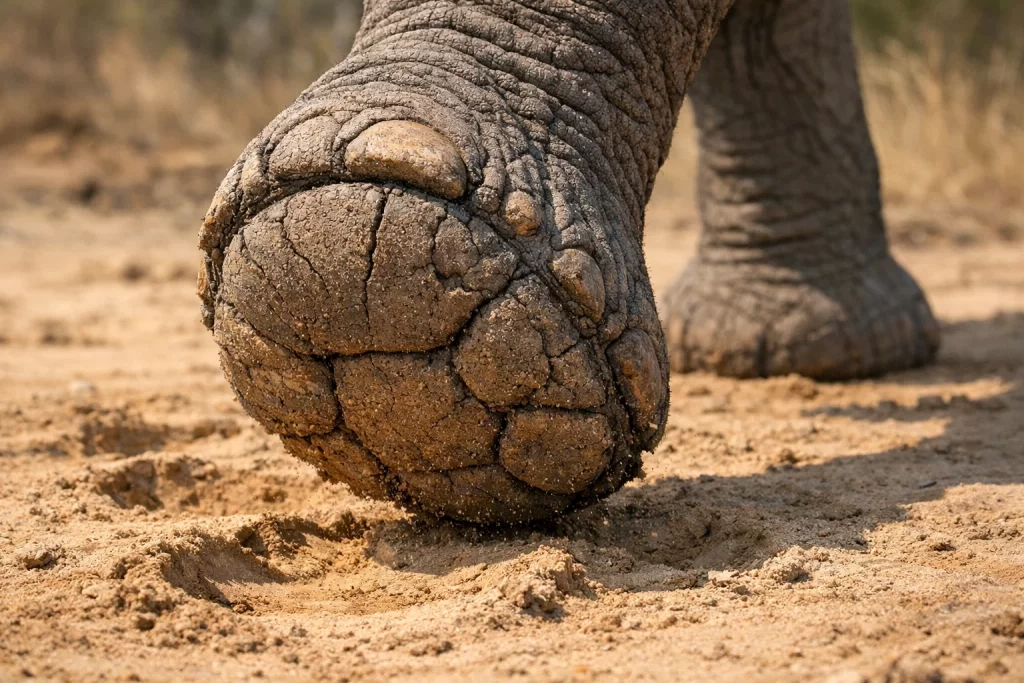
The main reason how elephant feet help them walk silently in the wild lies in their specialized fat pads. Beneath each foot sits a thick elastic cushion composed of fatty tissue and collagen fibers. This pad compresses when the elephant steps down, spreading its weight and absorbing vibrations.
Scientific measurements show these pads can be 5–7 centimeters thick in adult elephants. The material behaves like a shock absorber. It reduces both impact force and ground vibration. This prevents loud footsteps even when the animal weighs several tons. The pad also protects bones and joints from long-term stress.
Semi-Digitigrade Walking Mechanics
Elephants walk in a unique posture called semi-digitigrade locomotion. Their heel remains slightly elevated while the fat pad carries most body weight. This walking style works like a natural suspension system.
Key benefits include:
- Reduced pressure on bones and joints
- Better stability on soft soil
- Lower sound transmission during movement
- Improved endurance during long migrations
Biomechanics studies showed elephant foot pressure spreads across a wide surface. This reduces ground vibration by more than 20% compared to similarly sized mammals. This design helps elephants remain quiet while traveling long distances.
How Elephant Feet Help Them Walk Silently in the Wild During Movement
Slow, Controlled Step Placement
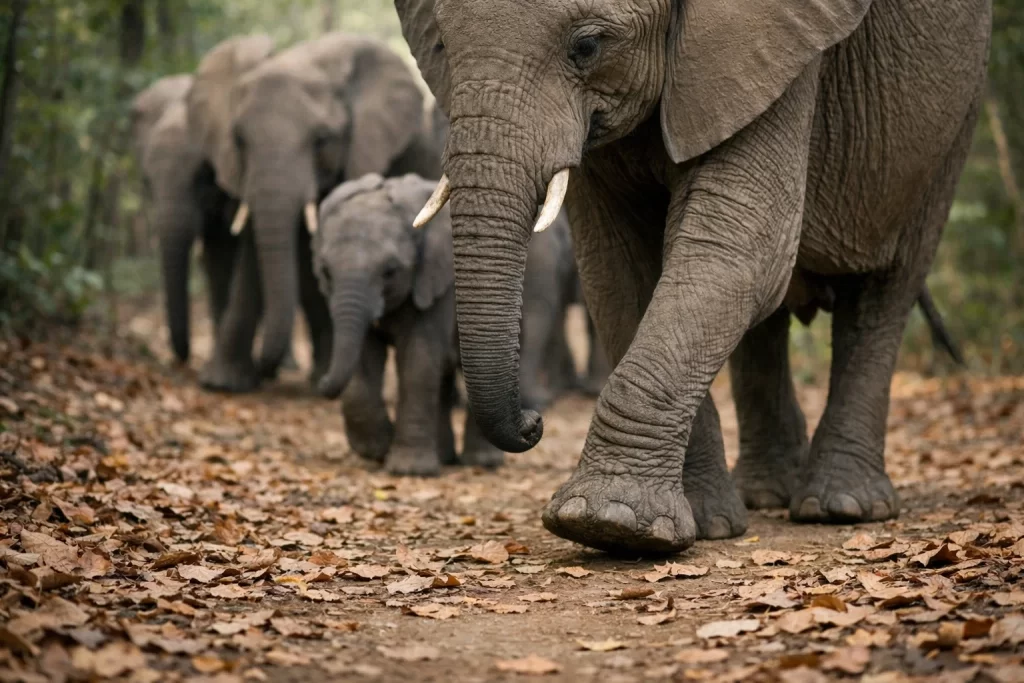
Another factor explaining how elephant feet help them walk silently in the wild is the controlled stepping pattern. Elephants place their feet carefully rather than stamping downward. Each step begins with the front edge of the foot, followed by a gradual weight transfer across the pad.
This technique produces minimal vibration. It also prevents sudden cracks from dry branches or stones. Experienced matriarchs often lead the herd through quiet routes where the ground surface reduces noise.
Elephants walk at 4–6 kilometers per hour during normal travel. Their slow pace supports silent movement while conserving energy. This method also protects calves that must follow closely behind.
Flexible Bones and Soft Tissue
Elephant feet contain five toes embedded inside the foot structure, although they are not visible externally. These toes are supported by cartilage and flexible connective tissue. The design spreads body weight evenly across the foot.
This flexibility allows elephants to adapt to different terrain:
- Mud and wetlands
- Dry savanna soil
- Forest leaf litter
- Sandy riverbanks
The foot compresses slightly on contact with the ground. As a result, the surface absorbs impact energy rather than producing sound. This adaptation explains why elephants often appear surprisingly quiet despite their enormous size.
Curious about elephant intelligence? Discover how memory, emotions, and learning work in Elephant Brain Anatomy and Cognitive Health.
Silent Movement Helps Elephant Survival

Avoiding Conflict With Predators
Understanding how elephant feet help them walk silently in the wild also reveals an important survival advantage. Adult elephants have few natural predators, but calves remain vulnerable to lions and hyenas. Quiet movement reduces attention from predators during travel.
Elephants often move through tall grass or forest cover at night. Silent steps help the herd approach waterholes without alerting nearby animals. Matriarchs use subtle cues and low-frequency sounds to coordinate group movement.
African elephant herds may include 8–25 individuals, though large groups occasionally reach 100 elephants during seasonal migrations. Quiet walking keeps these large groups from drawing unnecessary attention.
Communication Through Ground Vibrations
Elephants communicate using seismic signals, which travel through the ground. These vibrations come from footsteps and low-frequency rumbles. Silent walking does not eliminate these signals but controls them.
Elephants can detect vibrations from up to 10 kilometers away. Sensitive cells in their feet detect these seismic waves.
Key communication signals include:
- Warning of predators
- Calling distant herd members
- Coordinating migration routes
- Signaling reproductive readiness
Because their feet absorb most sound energy, elephants can send controlled vibrations without loud noise. This allows communication while staying discreet in the environment.
Key Features That Make Elephant Feet Silent
Below is a simplified overview of the biological adaptations responsible for silent movement.
| Feature | Function | Benefit |
|---|---|---|
| Fatty foot pads | Absorb shock and vibration | Reduce walking noise |
| Wide foot surface | Distributes weight evenly | Prevents ground impact |
| Flexible toe bones | Adjust to terrain | Maintain stability |
| Controlled stepping | Gradual weight transfer | Quiet locomotion |
| Thick skin layers | Protect tissues | Improve durability |
Health Importance of Elephant Foot Structure
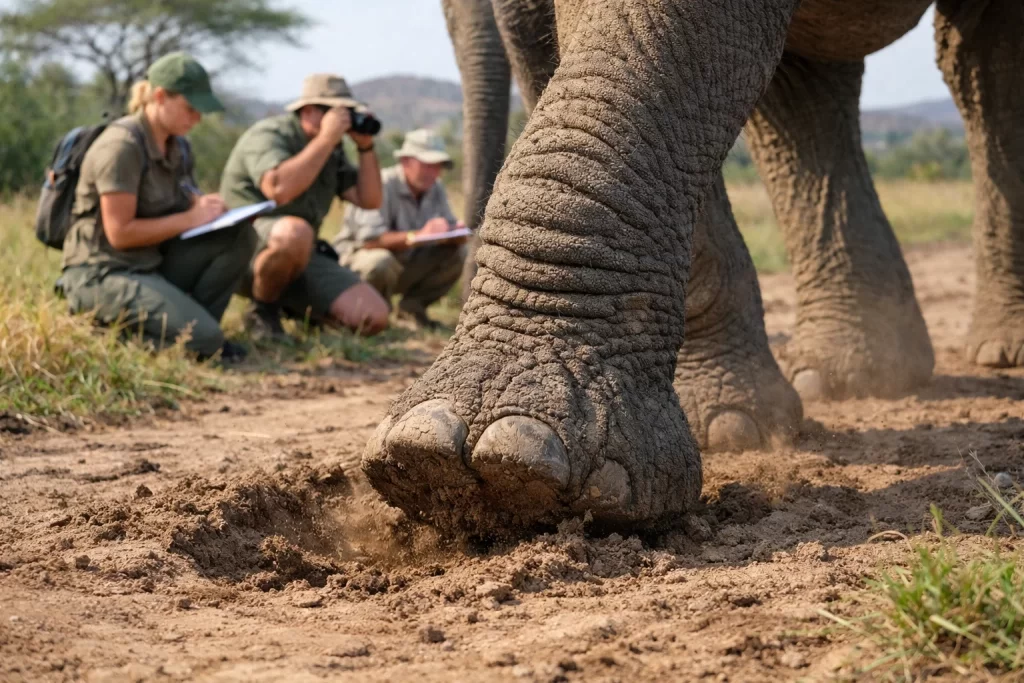
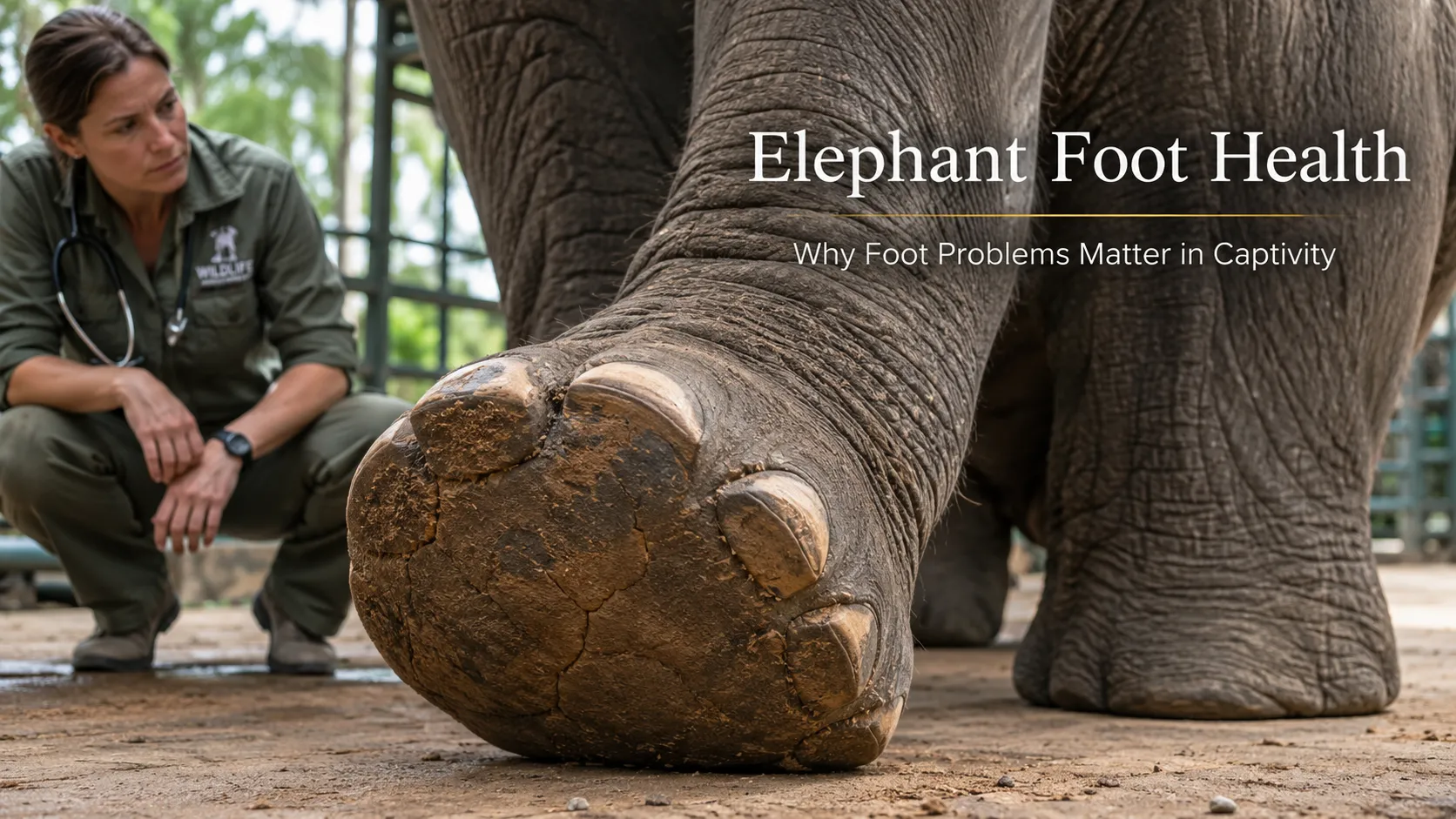
Elephant feet must remain healthy for survival. A single injured foot can threaten the entire animal. In captivity, foot disorders affect up to 50% of elephants.
Common health problems include:
- Cracked foot pads
- Nail infections
- Joint inflammation
- Abscesses
Wild elephants avoid many of these issues because they walk 10–20 kilometers daily, naturally wearing down nails and strengthening foot muscles. Soft soil also protects their pads from excessive pressure.
Conservation programs increasingly monitor elephant foot health because injuries limit migration. Limited movement reduces access to food and water sources. Protecting elephant habitats, therefore, protects their natural walking patterns.
Bottom Line
Understanding how elephant feet help them walk silently in the wild reveals an impressive combination of anatomy and behavior. Thick fat pads, flexible bones, and controlled stepping allow these massive animals to move quietly across diverse habitats. Silent walking helps elephants conserve energy, avoid predators, and communicate through ground vibrations. Healthy feet are essential for migration, feeding, and social interaction.
Explore more fascinating insights about elephant biology, survival, and wellness in our guide to Elephant Physiology and Health.