Table of Contents
In recent years, KVK-Tech, Inc., a pharmaceutical company based in Newtown, Pennsylvania, has become a cautionary tale for the pharmaceutical industry. The company has faced multiple FDA warning letters for serious violations of manufacturing regulations. These violations highlight the critical importance of maintaining high standards in drug production to protect public health.
This article provides an in-depth analysis of the FDA warning letters issued to KVK-Tech, detailing the specific violations identified, the company’s responses, and the broader implications for the pharmaceutical manufacturing industry.
Understanding FDA Warning Letters
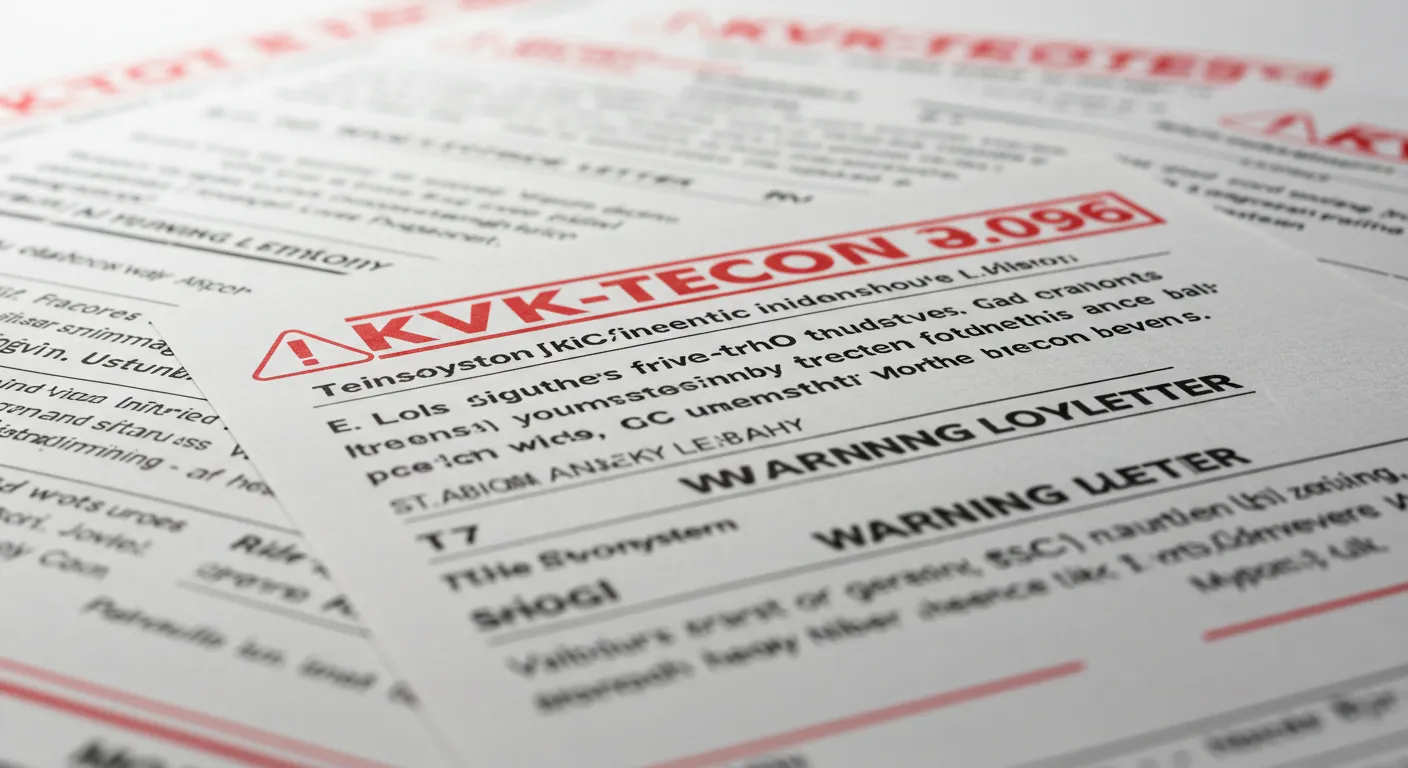
An FDA warning letter is a formal notification sent to a company when it fails to comply with critical regulations. This letter demands immediate corrective actions to prevent further regulatory issues, such as fines or the suspension of product sales.
In the pharmaceutical industry, these letters typically cite failures in Good Manufacturing Practices (GMP), which ensure that medicines are produced consistently and meet safety standards. For KVK-Tech, these violations posed significant risks to the safety and efficacy of their products.
About KVK-Tech, Inc.

KVK-Tech, Inc. specializes in the production of generic drugs used in the treatment of various conditions, including pain, heart issues, and brain disorders. Given the widespread use of their products, strict adherence to safety protocols is essential. Any lapses in compliance can have far-reaching consequences, affecting public health and undermining trust in generic drugs.
Chronology of FDA Inspections and Regulatory Actions
KVK-Tech’s ongoing struggles with regulatory compliance began as early as 2016, with inspections revealing significant issues in their testing methods and manufacturing processes. Here is a timeline of key FDA inspections and actions taken:
- 2016: KVK-Tech identifies issues with the testing of phentermine HCL capsules.
- 2017: A batch of these capsules fails a safety test.
- 2018: FDA inspection results in a Form 483, a document outlining issues found.
- 2019: Another inspection reveals further violations, leading to another Form 483.
- 2020: Two warning letters are issued, in February and October, addressing persistent issues.
- 2021: FDA inspection results in another Form 483.
- 2022: Same pattern—yet another Form 483 is issued.
- 2023: KVK-Tech faces legal proceedings, signaling an intensification of regulatory scrutiny.
- 2024: The company signs a Deferred Prosecution Agreement, avoiding full prosecution in exchange for corrective actions.
These incidents highlight a persistent pattern of non-compliance over nearly a decade, suggesting systemic issues in the company’s manufacturing operations.
Also Read: Gadget Freeks: Innovation Meets Tech News at Gadgetfreeks.com
Violations Highlighted in Early 2020
In February 2020, the FDA issued a warning letter after an inspection in 2019. Some of the most concerning violations identified included:
- Inadequate Testing Methods: KVK-Tech failed to properly review test results, as seen with their mishandling of phentermine HCL capsules. A flawed test result was concealed, allowing a faulty batch to remain on the market until it was discovered in 2017.
- Failure to Investigate Irregularities: The company failed to adequately investigate anomalies, such as unexpected particles in batches of methylphenidate oral solution. This led to a recall after the product was sold to consumers.
- Weak Data Integrity Controls: KVK-Tech’s computer systems lacked adequate controls, allowing employees to alter test data without proper tracking, which undermined the reliability of test results.
These violations highlighted significant risks to patient safety and pointed to serious flaws in KVK-Tech’s quality assurance practices.
Additional Violations Identified Later in 2020
The October 2020 warning letter followed another FDA inspection in March. New violations identified included:
- Poor Equipment Cleaning: KVK-Tech could not demonstrate that their equipment cleaning procedures effectively prevented contamination between drug batches, posing a risk to product safety.
- Inaccurate Batch Records: Record-keeping was problematic, with inaccuracies such as incorrect air pressure readings on batch records that were not promptly corrected.
- Failure to Address Past Issues: The company did not conduct adequate investigations into whether similar problems had occurred with previous batches, continuing to produce drugs without fully addressing past concerns.
These new findings deepened the growing list of regulatory concerns, showcasing ongoing issues in the company’s operations.
Company’s Actions Following Regulatory Scrutiny
After receiving the February 2020 warning letter, KVK-Tech hired a consulting firm, OQSIE, to fix the issues. However, by mid-2020, the company ended its relationship with OQSIE due to disagreements over the implementation of a long-term corrective plan.
In 2024, KVK-Tech reached a Deferred Prosecution Agreement with the government. This deal allowed the company to avoid prosecution by admitting fault and agreeing to implement corrective actions. This settlement, however, raised concerns about KVK-Tech’s commitment to addressing the root causes of their regulatory problems.
Legal Proceedings and Their Impact
The company also faced legal action from OQSIE, which claimed KVK-Tech had failed to pay for services rendered and caused damage to OQSIE’s business. A lawsuit was filed seeking $16.8 million in damages. However, the case in 2024 was unresolved, as the court found the consulting agreement unclear, preventing either side from claiming an outright victory.
This legal battle likely delayed KVK-Tech’s ability to fully resolve the FDA’s concerns, further complicating their efforts to comply with regulatory standards.
Broader Impact on the Pharma Industry
KVK-Tech’s repeated FDA violations send a strong message to the pharmaceutical industry. Companies that ignore regulatory standards risk:
- Loss of Customer Trust: Violations reduce public trust in the safety of pharmaceutical products.
- Financial Penalties: Regulatory checks can result in large fines and legal actions.
- Increased FDA Scrutiny: Persistent violations can result in more stringent inspections and possible production shutdowns.
Pharmaceutical companies must learn from KVK-Tech’s mistakes by prioritizing compliance and maintaining strong quality control systems.
Ensuring Data Integrity in Manufacturing
Data integrity is essential in the pharmaceutical industry. It ensures that records are accurate and reliable, which is vital for patient safety. KVK-Tech’s failures in this area—such as untracked data changes—could have resulted in hidden impurities or incorrect dosages in their products, increasing the risk to consumers.
Implementing strong controls to monitor and record data changes is essential to safeguarding the quality and safety of pharmaceutical products.
Key Takeaways from This Regulatory Case

The KVK-Tech FDA warning letter violations teach several important lessons for the pharmaceutical industry:
- Regular Self-Inspections: Companies should routinely audit their processes to catch problems before they escalate.
- Accurate Record-Keeping: Maintaining honest and accurate records is critical for both compliance and patient safety.
- Clear Communication with External Consultants: When working with outside consultants, clear and actionable plans must be agreed upon to avoid conflicts.
- Adhering to Standards: Failure to comply with regulations doesn’t just hurt the company—it affects public health and the industry’s reputation.
KVK-Tech’s case underscores the importance of maintaining high standards in pharmaceutical manufacturing. By learning from their mistakes, companies can avoid similar pitfalls and contribute to safer healthcare outcomes for all.
Closin Words
The story of KVK-Tech is a sobering reminder of the consequences of failing to comply with FDA regulations. The pharmaceutical industry must learn from this case to ensure that the highest standards of drug safety and manufacturing practices are maintained.
FAQs
What does an FDA warning letter mean for a company?
An FDA warning letter indicates serious regulatory violations that require immediate corrective action to avoid further penalties or product recalls.
How can pharmaceutical companies avoid FDA violations?
By maintaining rigorous testing procedures, ensuring data integrity, and conducting regular internal audits to stay compliant with FDA regulations.
What are the consequences of FDA violations in the pharmaceutical industry?
Violations can lead to fines, lawsuits, loss of customer trust, and increased regulatory scrutiny.